
In the annals of history, few events have captured the attention and fear of the global community like the Chernobyl disaster. Often referred to as the worst nuclear disaster in history, the events that unfolded on April 26, 1986, left a long-lasting impact not only on the surrounding region of Ukraine but also across the entire world. As a travel adventure seeker or history enthusiast, understanding the Chernobyl disaster offers incredibly valuable insights into the broader implications of nuclear energy and the human condition. In this comprehensive article, we will delve deep into the causes and consequences of the Chernobyl disaster, and explore what it means for travelers looking to visit this haunting yet profoundly significant piece of history.
The Chernobyl Disaster: A Brief Overview
The disaster at Chernobyl nuclear power plant was caused by an unexpected surge of power that resulted in a catastrophic reactor meltdown. The incident released a large amount of radioactive particles into the atmosphere, leading to widespread contamination that would affect not just Ukraine, but also parts of Belarus, Russia, and even Europe.
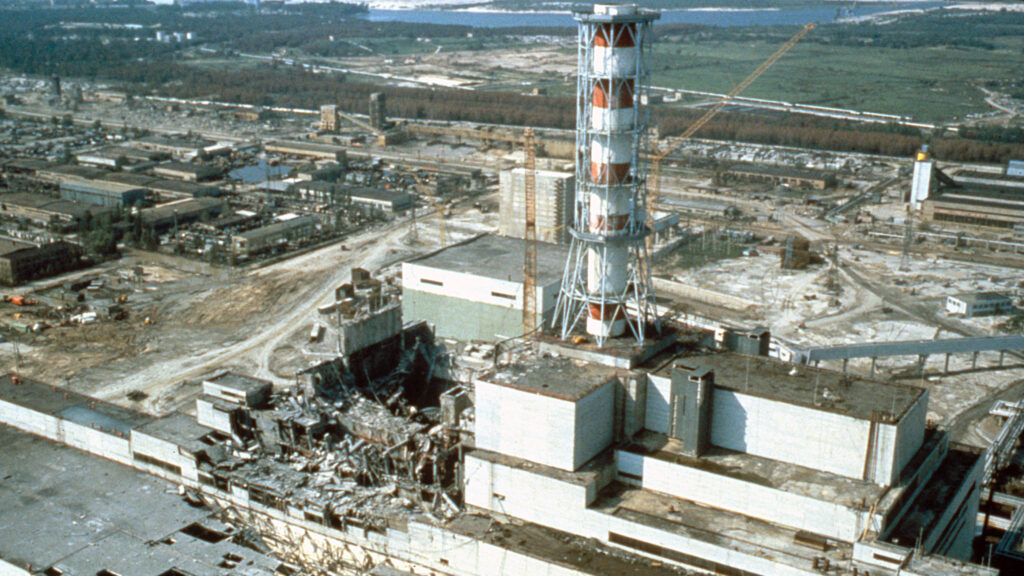
On that fateful night in 1986, reactor number four of the plant exploded during a late-night safety test gone wrong. A series of design flaws in the reactor, coupled with improper protocols, culminated in an explosion that propelled radioactive debris into the air. In the immediate aftermath, the Soviet Union’s response was measured but ultimately criticized for suppressing information about the disaster.
The Health Impacts and Environmental Consequences
The fallout from Chernobyl has had enduring health and environmental consequences. Approximately 600,000 individuals were exposed to increased radiation levels, leading to a surge in cancer cases, particularly thyroid cancer among children. The radioactive iodine released in the explosion significantly contributed to this phenomenon. In the years following the disaster, numerous studies have examined the long-term health effects, revealing a complex picture of psychological trauma, genetic mutations, and physical ailments.
The environment around Chernobyl remains in a state of disarray, with radioactive contamination affecting the flora and fauna. A 30-kilometer exclusion zone was established, preventing permanent human habitation in the area. Yet, nature has its own way of reclaiming space; today, the area is teeming with wildlife, including wolves, bears, and various bird species—a stark contrast to the human tragedy that unfolded three decades ago.
Why Should You Visit Chernobyl?
While Chernobyl may seem like an unlikely travel destination, it has drawn an increasing number of tourists interested in experiencing a region steeped in history and tragedy. Here are some compelling reasons why visiting Chernobyl could be a fascinating addition to your travel itinerary.
1. Historical Significance
Chernobyl is not only a historical site but a reminder of the consequences of human error in the quest for technological advancements. As you walk through the abandoned buildings, the remnants of a by-gone era tell stories of lives that were changed forever. The abandoned town of Pripyat, once home to over 49,000 residents, serves as a haunting monument to that tumultuous time.
2. Understanding Nuclear Energy
In an age where discussions around energy sources are prominent, visiting Chernobyl gives a nuanced perspective on nuclear power. As concerns over fossil fuel consumption and climate change grow, understanding the science behind nuclear energy—both its benefits and risks—has never been more relevant. The Chernobyl disaster serves as a cautionary tale about safety protocols and the impact of human decisions on both local and global scales.
[amazon box=”B08XLLF3PG”]
3. An Unforgettable Adventure
For adventure seekers, Chernobyl offers a unique experience characterized by eerie landscapes, decaying architecture, and a palpable sense of history. As you navigate through the desolate streets of Pripyat, the juxtaposition of natural reclamation over man-made structures creates a surreal atmosphere.
4. Photography Opportunities
Chernobyl has become a popular destination for photographers looking to capture the haunting beauty of abandoned places. The derelict buildings, rusting vehicles, and overgrown nature provide a rich palette that tells a story of humanity’s impermanence.
Planning Your Trip to Chernobyl
Traveling to Chernobyl requires careful planning and consideration. Here are some essential tips to help you make the most out of your visit.
1. Book with a Reputable Tour Operator
Due to the hazardous nature of the site, independent travel within the exclusion zone is not permitted. Choose a reputable tour operator who specializes in Chernobyl tours. This ensures you have experienced guides who are knowledgeable about the history and safety protocols.
2. Prepare for Safety Protocols
Prior to your visit, familiarize yourself with safety instructions provided by your tour operator. It’s crucial to wear appropriate clothing—long sleeves and pants are highly recommended—to minimize skin exposure. Footwear should also be durable to handle the rough terrain.
3. Follow Guidelines and Respect the Site
When visiting, be mindful of the rules set by your tour operator and local authorities. The significance of Chernobyl as a site of tragedy should not be lost on visitors; treat it with the respect it deserves.
4. Capture the Moment, Mindfully
While photography is encouraged, ensure it does not detract from the purpose of your visit. Focus on capturing the essence of the place, but also take moments to reflect on the history and lives affected by the disaster.
5. Arrive Open-Minded
Many visitor comments capture a deep emotional response to Chernobyl. Arriving with an open mind and heart allows for a more profound connection with the site. Engage with your guide, ask questions, and be ready to embrace the weight of the history surrounding you.
The Future of Chernobyl
In the decades since the Chernobyl disaster, much has changed. Efforts to clean up and contain the site have led to the construction of a large confinement shelter over reactor number four, now known as the New Safe Confinement. This structure aims to prevent the release of more radioactive material while facilitating the safe dismantlement of the reactor.
Moreover, the region is seeing a revitalization of interest due to scientific research, particularly in studying the impacts of radiation on wildlife. Chernobyl’s exclusion zone has given scientists a unique opportunity to observe environmental adaptations in a nuclear-affected landscape.
Conclusion
Chernobyl stands as a monumental chapter in the narrative of human advancement and miscalculation. While its past is marked by devastation, it now serves as a powerful site for reflection, understanding, and growth. For travelers who dare to venture into this haunting yet fascinating world, the experience is not just a glimpse into history but a chance to engage with the very essence of what it means to be human.
Whether you’re looking to explore the abandoned ghost town of Pripyat or engage in discussions about nuclear energy, visiting Chernobyl offers something profound and unforgettable. As you plan your journey, remember to approach this unique location with the respect it deserves, embracing both its haunting tales and the lessons learned for future generations.


