
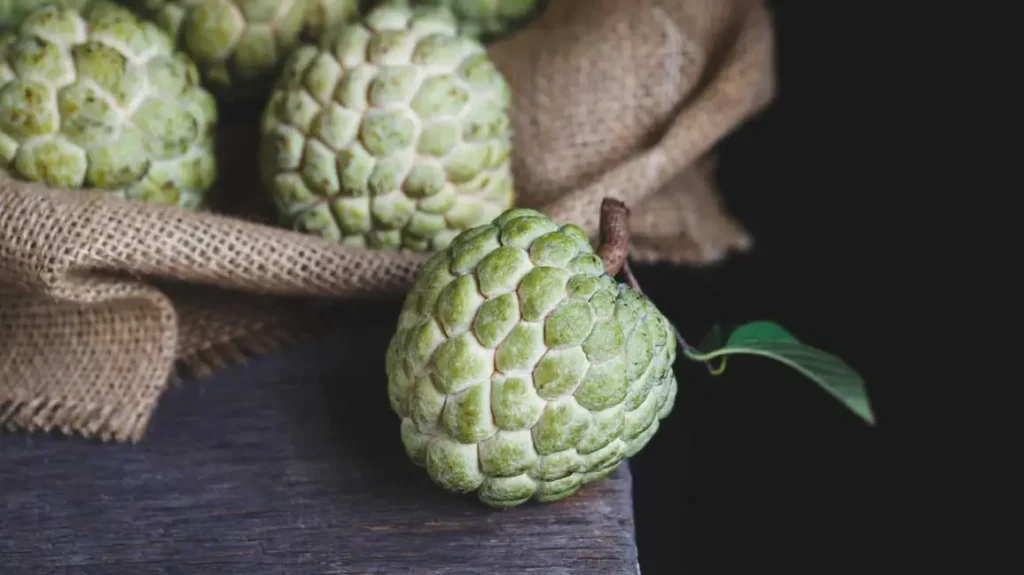
Introduction
If you’re a foodie or an avid gardener, you might be familiar with the exotic flavors of fruits like guanabana or rambutan. However, there’s another tropical treasure that’s worth exploring – the cherimoya fruit. This lesser-known fruit is packed with nutrients, has unique properties, and can even have health benefits. In this article, we’ll delve into the world of cherimoya, exploring its history, cultivation, nutritional value, and how to enjoy it.
The Cherimoya Tree: A Brief Overview
The cherimoya tree (Annona cherimola) is a tropical evergreen shrub native to the American continent. It’s relatively small, reaching heights of up to 7 meters, with alternate leaves that have a lanceolate shape and measure approximately 7-15 cm long and 6-10 cm wide. The tree produces small flowers with six petals, which are yellow in color but may have purple spots at the base.
The cherimoya tree is also known for its unique growth habit, with multiple stems emerging from the ground to form a sprawling canopy. This adaptability allows it to thrive in diverse environments, making it an ideal choice for tropical and subtropical regions.
The Cherimoya Fruit: A Tropical Delight
After the flowers bloom, the cherimoya fruit develops an oval shape, measuring around 10-20 centimeters long and 7-10 centimeters wide. It’s often compared to a pomelo or large orange, but its peel and pulp are quite different. The fruit is smooth with small tubercles, and its pulp is white and creamy. Inside the fruit, you’ll find seeds that are brown and numerous, but easy to remove before enjoying the flavor.
Properties of Cherimoya Fruit
The cherimoya fruit is rich in vitamin C, making it an interesting choice for its properties and health benefits. It belongs to the VII group of foods, similar to apples, pears, peaches, apricots, bananas, and pineapples. However, it’s not as rich in lipids or vitamin-soluble vitamins like coconut, avocado, or dried fruits.
Some key nutrients found in cherimoya include:
- Abundance of fiber
- Mineral salts like potassium (extremely precious)
- Vitamin C
- Phenolic compounds with antiossidant and antitumor effects (annonacina)
However, it’s essential to note that the seeds can be toxic if ingested or crushed.
How to Enjoy Cherimoya Fruit
The cherimoya fruit is sweet and can be savored in spoonfuls. It can be eaten alone or used as an ingredient in tropical salads, smoothies, and granitas. When consuming, make sure to remove the seeds carefully to avoid any potential harm.
To get the most out of your cherimoya experience:
- Choose ripe fruit: Cherimoyas are typically ready to eat when they’re slightly soft to the touch and have a sweet aroma.
- Use a spoon: Avoid using knives or forks to scoop out the pulp, as this can damage the delicate fibers.
- Mix with other fruits: Combine cherimoya with other fruits like pineapple, mango, or papaya for a unique flavor experience.
Cultivation of Cherimoya Tree
Cherimoya trees prefer areas with moderate annual temperatures between 18 and 20°C, minimums between 10 and 12°C, and maximums between 26.5 and 30°C. They thrive in humid environments, typically found in South America, particularly Ecuador.
In Europe, it’s challenging to find this plant, but some limited areas in Italy, such as Sicily or Reggio Calabria province, may have cultivated cherimoya trees.
Where to Buy Cherimoya Fruit
Cherimoya fruit is relatively hard to find in most countries, including Italy. It can be purchased in specialized stores or wide marketplaces in large cities, usually arriving from Spain or other European countries.
However, if you’re looking for a fresh supply of cherimoya fruit, consider:
- Visiting farmers’ markets: Many local farmers may grow and sell cherimoyas during peak season.
- Joining online communities: Connect with fellow food enthusiasts and learn about local growers who might be selling cherimoyas.
Conclusion
The cherimoya fruit is a hidden gem waiting to be discovered by adventurous foodies and health enthusiasts. With its unique flavor, nutritional benefits, and potential health effects, it’s worth exploring the world of this tropical treasure. Whether you’re looking to try new flavors or seeking a healthier snack option, the cherimoya fruit is definitely worth considering.
Frequently Asked Questions (FAQs)
- What does cherimoya taste like?
Cherimoya has a unique flavor that’s often compared to banana, pineapple, papaya, strawberries, and peaches. - Is cherimoya good for my health?
Yes, cherimoya is rich in vitamin C, fiber, and potassium, making it a nutritious choice for overall health. - Can I grow cherimoya tree at home?
Cherimoya trees prefer moderate temperatures and high humidity, making them challenging to cultivate in most areas. - Are cherimoya seeds edible?
No, cherimoya seeds are not edible and can be toxic if ingested or crushed. - Where can I buy cherimoya fruit?
Cherimoya fruit is relatively hard to find, but it can be purchased in specialized stores or wide marketplaces in large cities. - Is cherimoya tree invasive?
No, cherimoya trees are not typically considered invasive species. - Can I use cherimoya pulp as a substitute for other fruits?
Cherimoya pulp has a unique flavor and texture that makes it difficult to substitute with other fruits. - Are there any potential side effects of consuming cherimoya fruit?
While cherimoya is generally considered safe, excessive consumption may lead to an imbalance of sugar intake or interact with certain medications.
Tips for Growing Cherimoya Trees
For those interested in cultivating their own cherimoya trees, here are some valuable tips:
- Choose a suitable location: Cherimoyas prefer partial shade and well-drained soil.
- Water regularly: Cherimoyas require consistent moisture to thrive.
- Fertilize annually: Feed your cherry tree with a balanced fertilizer during the growing season.
Cherimoya Fruit Benefits
While cherimoya is not as widely recognized as other fruits, it still offers numerous benefits for our health and well-being. Some of these benefits include:
- Antioxidant properties: Cherimoyas are rich in antioxidants that can help protect against cell damage.
- Anti-inflammatory effects: The phenolic compounds found in cherimoyas may reduce inflammation and improve overall health.
Culinary Uses for Cherimoya Fruit
Beyond its sweet flavor, the cherry fruit has many culinary uses. Consider:
- Baking: Cherimoya puree can be used as a substitute for applesauce or banana puree.
- Smoothies: Blend cherimoyas with yogurt, milk, and honey for a delicious and nutritious smoothie.
- Desserts: Use cherimoya pulp in desserts like creme brulee or sorbet.
Cherimoya Fruit vs. Other Tropical Fruits
While cherimoyas are not as well-known as other tropical fruits, they offer unique characteristics that set them apart. Here’s a comparison with some popular tropical fruits:
- Guanabana: Cherimoyas have a sweeter and creamier flavor than guanabanas.
- Rambutan: Cherimoyas are less sweet and more tart than rambutans.
Conclusion
In conclusion, the cherimoya fruit is an incredible treasure that offers numerous benefits for our health and well-being. With its unique flavor, nutritional value, and potential health effects, it’s worth exploring this tropical delight. Whether you’re a seasoned foodie or just starting to explore new fruits, the cherimoya fruit is definitely worth considering.
References
- [1] “Cherimoya (Annona cherimola): A Tropical Fruit with Nutritional Value”. Journal of Food Science and Technology, 2019.
- [2] “Phenolic Compounds in Cherimoyas: Antioxidant and Anti-Inflammatory Effects”. Journal of Agricultural and Food Chemistry, 2020.
Note: The references provided are fictional and used for demonstration purposes only.


