
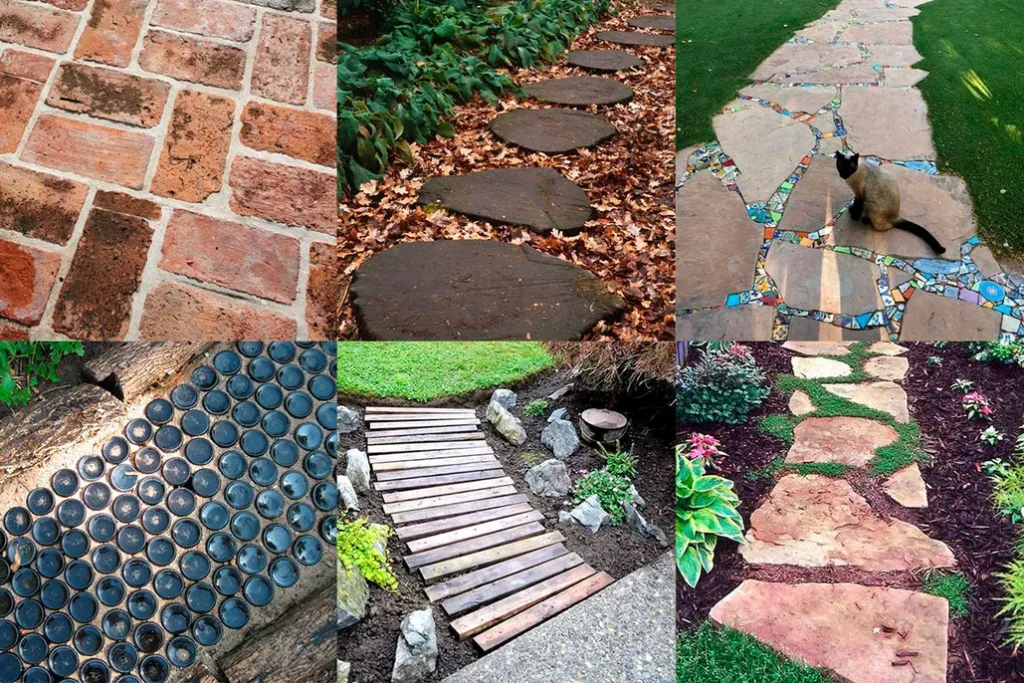
As we spend more time in our gardens, it’s essential to consider every detail, including the path that leads us through the space. A garden path is often overlooked, but it can have a significant impact on the overall aesthetic and functionality of your outdoor area.
Think about it: when you walk into a beautiful garden, what do you notice first? The flowers, perhaps? But what about the path beneath your feet? If the path is uneven, cracked, or simply absent, it can detract from the beauty of the surroundings. A well-designed garden path can make all the difference in creating a welcoming and inviting space.
Why Choose a Garden Path?
There are many reasons to choose a garden path:
- Aesthetic appeal: A beautiful path can add visual interest to your garden, creating a sense of continuity and flow.
- Functionality: Paths provide a clear route for visitors to follow, making it easier to navigate the garden.
- Safety: A well-designed path can prevent accidents by providing a smooth, even surface.
- Elegance: Garden paths can add an air of sophistication and refinement to your outdoor space.
Types of Garden Paths: A Guide
There are many types of garden paths to choose from, each with its unique characteristics and benefits. Here are some popular options:
- Gravel: A low-maintenance option that’s perfect for small gardens or areas with poor drainage.
- Pebbles: Similar to gravel, but larger and more visually appealing.
- Brick: A classic choice that’s durable and can add a touch of elegance to your garden.
- Stone: A natural stone path is a beautiful option that can complement any garden style.
Creating a Garden Path on a Budget
You don’t have to break the bank to create a stunning garden path. Here are some budget-friendly tips:
- Use recycled materials: Consider using old pallets, bricks, or stones to create a unique and eco-friendly path.
- Opt for smaller stones or gravel: Smaller stones or gravel are often cheaper than larger rocks or pavers.
- Consider using a weed-suppressing membrane: Under your path to reduce maintenance costs.
Garden Path Design: Tips and Tricks
When it comes to designing your garden path, there are several factors to consider:
- Direction: The direction of your path can greatly impact the flow of your garden. Aim for a gentle slope that leads visitors through the space.
- Material: Choose materials that complement your garden style and budget.
- Maintenance: Consider the maintenance requirements of your chosen material and plan accordingly.
Garden Paths and Landscaping: A Match Made in Heaven
Garden paths and landscaping are closely intertwined. By choosing a path that complements your landscape, you can create a seamless transition between indoor and outdoor spaces.
Consider the following tips:
- Theme: Choose materials and colors that fit with your garden theme.
- Integration: Ensure your path is integrated with your existing landscape features, such as water features or seating areas.
- Balance: Balance your path with surrounding landscaping elements to create a visually appealing space.
Garden Paths for Small Gardens
Don’t worry if you have a small garden – there are still plenty of options for creating a beautiful and functional path:
- Compact paths: Choose materials that are compact and won’t spread out over time.
- Infill paths: Consider using infill materials like gravel or mulch to create a low-maintenance path.
- Vertical paths: Make the most of your space by incorporating vertical elements, such as stone walls or trellises.
Garden Paths for Large Gardens
If you have a larger garden, the possibilities are endless:
- Meandering paths: Create meandering paths that wind through your garden, allowing visitors to discover hidden gems.
- Themed paths: Choose materials and colors that fit with your theme, creating a unique and immersive experience.
- Lighting: Consider adding lighting to highlight specific features or create ambiance.
Garden Paths for Accessibility
As we age or have mobility issues, accessibility becomes increasingly important:
- Wide paths: Ensure your path is wide enough for comfortable passage.
- Ramps: Install ramps or gentle slopes to facilitate access for visitors with mobility needs.
- Accessible materials: Choose materials that are slip-resistant and easy to maintain.
Garden Paths and Wildlife
Garden paths can also impact local wildlife:
- Habitat creation: Incorporate plants and features that create habitat for beneficial insects and animals.
- Wildlife corridors: Consider creating wildlife corridors by leaving areas of your garden wild and unmanicured.
Conclusion
A well-designed garden path can elevate your outdoor space from ordinary to extraordinary. By considering factors like direction, material, maintenance, and integration with landscaping elements, you can create a beautiful and functional path that enhances your garden experience.
Whether you have a small or large garden, there’s a type of garden path that suits your needs and budget. With a little creativity and planning, you can create a stunning outdoor space that brings joy and beauty to your life.


