
Are you curious about the properties and benefits of camomilla? Do you want to know if it has calming or stimulating effects? In this article, we will provide you with answers to your questions and explore the various uses of camomilla.
Contents
- Plant Camomilla
- Curative Properties of Camomilla
- Side Effects of Camomilla
- Contraindications of Camomilla
- Uses of Camomilla
- Preparing Camomilla
- Camomilla as a Natural Remedy
- Cosmetic Properties of Camomilla
- Where to Buy Camomilla Oil
- Camomilla in the Garden
Plant Camomilla
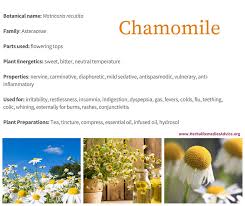
Camomilla is an aromatic plant widely spread and often found growing wild in fields, particularly in Europe, Asia, and Africa. It belongs to the daisy family (Compositae) and its scientific name is Matricaria chamomilla. The plant’s benefits have made it popular, especially for its calming effects on both physical and emotional problems such as anxiety and insomnia.
As camomilla can be cultivated at home, we recommend reading our article on how to grow camomilla and provide tips on the best conditions for optimal growth.
Curative Properties of Camomilla
Camomilla has several curative properties that make it a valuable herbal remedy. Its digestive and spasmolytic properties regulate the intestine’s action and facilitate digestion by stimulating the production of gastric juices. It also soothes intestinal muscles and is beneficial for cases of diarrhea, stomach problems, nausea, and gastroesophageal reflux disease (GERD).
In addition to its digestive benefits, camomilla has anxiolytic properties that can calm down anxiety and promote sleep. Unlike traditional medications with similar effects, camomilla is a natural remedy that offers several advantages such as fewer side effects and lower costs.
Side Effects of Camomilla
While camomilla is generally considered safe to use, it’s essential to be aware of its potential side effects. Be cautious when brewing camomilla tea, as the duration of infusion can affect its strength. A short infusion time (3-5 minutes) is recommended to avoid stimulating effects like irritability and diarrhea. However, long infusion times may lead to opposite reactions such as excitement and discomfort.
Additionally, some individuals may experience allergic reactions due to the presence of sesquiterpenic compounds in the plant. If you experience any adverse effects, discontinue use and consult with a healthcare professional before resuming.
Contraindications of Camomilla
Camomilla has no major contraindications; however, certain individuals should avoid using it or consult with a healthcare professional before consumption. These include:
- Pregnant women: While camomilla is generally considered safe, its anxiolytic properties may interact with medications used during pregnancy.
- Breastfeeding mothers: Camomilla’s effects on milk production and infant development are not well studied.
- Children under 3 years old: Camomilla’s effects on young children are not well understood, and it should be avoided until further research is conducted.
Uses of Camomilla
Camomilla can be consumed internally via tisanes (herbal infusions) and infusions or externally through ointments, oils, shampoos, and impacchi (topical applications). The topical use is more effective for its cosmetic properties.
Additionally, camomilla is beneficial in gardening as a natural remedy to treat plants. Its essential oils have been shown to repel pests and diseases, promoting healthy plant growth.
Preparing Camomilla
To prepare tea, combine dried camomilla flowers with 150ml of water and let it steep for some time before filtering and drinking when the liquid cools down. Alternatively, use camomilla powder or filters for quicker brewing.
A variant tea recipe combines camomilla with genziana and valeriana to create a natural remedy for stress, cramps, menstrual pains, anxiety, and poor digestion.
Camomilla as a Natural Remedy
For topical application (external use), camomilla is beneficial for its cosmetic properties. You can prepare impacchi using sterile cloth soaked in camomilla oil or apply it directly to the skin with gentle massage. Camomilla is useful for soothing tired eyes, redness, or conjunctivitis.
In case of minor wounds, camomilla is used as a natural remedy to promote healing. Gargling with an infusion of camomilla and lemon juice helps soothe sore throats.
Cosmetic Properties of Camomilla
Thanks to its ant-inflammatory properties, camomilla is beneficial for skin care. Its oil can be applied topically or mixed with sweet almond oil for moisturizing the skin.
Camomilla’s extract contains compounds that stimulate collagen production and promote cell regeneration by aiding in the repair of epidermis.
Camomilla-based products are often used for sensitive, dry, or irritated skin conditions such as dermatitis atopic or eczema.
Where to Buy Camomilla Oil
You can find camomilla oil in herbal shops or online stores. On Amazon, you’ll find highly-rated camomilla oil with over 7,000 positive reviews and an average rating of 4.5 out of 5 stars.
Some popular brands offer organic and cold-pressed camomilla oil, which is essential for maintaining its therapeutic properties.
Camomilla in the Garden
To increase seed germination rates and speed up the process, make an infusion of camomilla and let it cool down before soaking seeds for 12-24 hours. This will soften the seed coat and help germinate easily.
You can also use camomilla as a natural pest control agent in your garden. Its essential oils have been shown to repel aphids, whiteflies, and other pests that can damage plants.
If you’re interested in related articles:
- Difference between tisana and infuso
- How to grow camomilla in a vase
- Natural remedies for eye burn


