
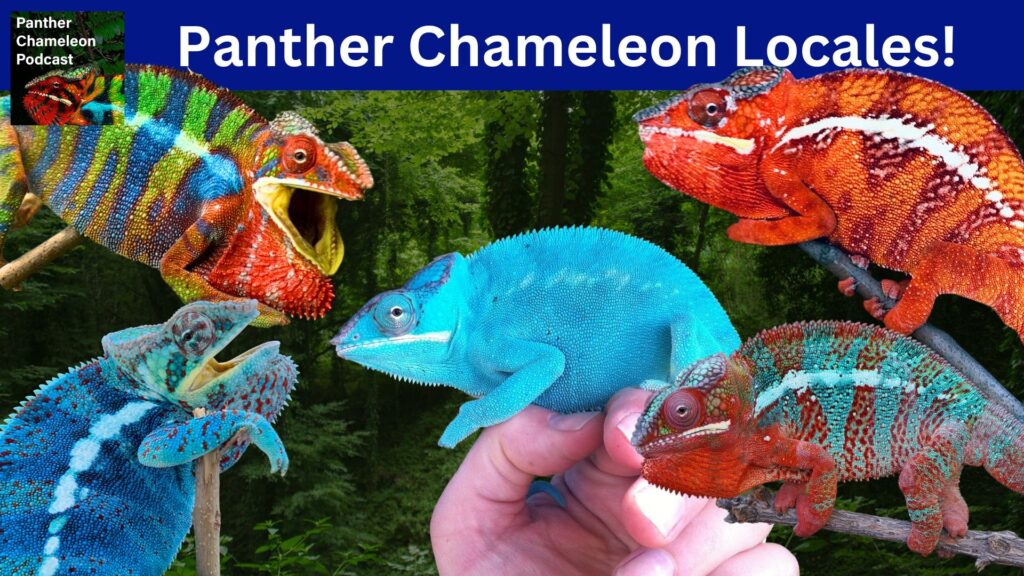
As one of the most fascinating creatures in the animal kingdom, the chameleon has captivated humans for centuries with its incredible ability to change color. But what makes this reptile so special? In this article, we will delve into the characteristics, behavior, and care requirements of these amazing animals.
What is a Chameleon?
The chameleon belongs to the family of lizards, specifically the Sauria genus. The name “chameleon” comes from the Greek word “chamaleon,” meaning “earth lion.” This refers not only to their ability to change color but also to their resemblance to lions in terms of appearance and behavior.
Characteristics of a Chameleon
- Color-changing abilities: Chameleons can change color to blend in with their surroundings, communicate with other chameleons, or express emotions such as stress or excitement.
- Nocturnal behavior: Chameleons are diurnal, but they don’t hunt at night. Instead, they rest and hide during the day, emerging at dawn and dusk to hunt for food.
- Slow-moving hunters: Chameleons are not active predators; instead, they wait patiently for prey to come close before striking.
- Independent eyes: Chameleons have eyes that can move independently of each other, allowing them to scan their surroundings without relying on binocular vision.
Why Do Chameleons Change Color?
Chameleons change color in response to various stimuli, including:
- Environmental conditions: Temperature, humidity, and light levels can influence the chameleon’s coloration.
- Emotional state: Stress, anxiety, or excitement can cause a chameleon to change color.
- Mating behavior: Males may display bright colors to attract females or intimidate rivals.
Caring for a Chameleon
To keep a chameleon healthy and happy, you’ll need to provide the right environment. Here are some key considerations:
- Terrarium size and shape: A minimum of 90 x 45 x 90 cm is recommended.
- Temperature regulation: Maintain a temperature range of 25-30°C (77-86°F) with a heat source and a cooler area for thermoregulation.
- Humidity levels: Aim for an ideal humidity level of 50-60% with a water spray system or a humidifier.
- Lighting: Provide a photoperiod of at least 12 hours of light to simulate day-night cycles.
Diet and Nutrition
Chameleons are primarily insectivorous, feeding on live insects such as:
- Grasshoppers
- Crickets
- Mealworms
- Flies
Supplementing their diet with leafy greens like kale or collard greens can provide essential vitamins and minerals.
Lifespan and Longevity
The lifespan of a chameleon varies depending on the species, with some living up to 10 years in captivity. Factors such as diet, environment, and health conditions can affect an individual’s longevity.
Conclusion
Chameleons are truly one-of-a-kind creatures that continue to fascinate us with their remarkable abilities. By understanding their characteristics, behavior, and care requirements, you can provide the best possible life for these amazing animals.
FAQs
- Q: Can I keep a chameleon as a pet?
- Yes, but it requires specialized care and attention to its specific needs.
- Q: How often should I feed my chameleon?
- Feed your chameleon 2-3 times a week, depending on the species and size.
- Q: What is the average lifespan of a chameleon?
- The average lifespan of a chameleon varies between 5-10 years in captivity.
- Q: Can I handle my chameleon?
- Yes, but be gentle and respectful of its boundaries to avoid stressing it out.
-
Q: What are the most common health issues in chameleons?
- Respiratory infections, metabolic bone disease, and impaction are some common health concerns.
-
Q: Can I breed a chameleon?
- Yes, but breeding requires specialized knowledge, equipment, and a controlled environment.
- Q: How do I recognize signs of stress in my chameleon?
- Look for changes in color, appetite, or behavior, such as hiding, aggression, or lethargy.
-
Q: Can I keep multiple chameleons together?
- Yes, but it’s essential to research compatibility and ensure sufficient space and resources for each individual.
-
Q: What is the difference between a veiled and panther chameleon?
- Veiled chameleons are larger and have a more vibrant color pattern, while panther chameleons are smaller with a darker coloration.
- Q: Can I buy a chameleon from a pet store?
- Not recommended; it’s best to purchase from a reputable breeder or specialized retailer to ensure the animal’s health and well-being.
By answering these questions and understanding the needs of these incredible animals, you’ll be better equipped to provide the best possible care for your chameleon.


