
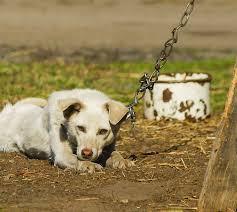
Leash-free dogs are a rare sight, but the consequences of not treating them with care can be severe. Not only is it heartbreaking, but there are laws and penalties for those who don’t provide their pets with proper care.
The Law: A Lacking Framework
At a national level, the legislation surrounding canine leashes is nonexistent. While regional and municipal regulations exist, they often fall short of providing adequate protection for animals. The absence of a comprehensive framework leaves many pet owners without clear guidance on how to treat their dogs humanely.
For instance, in Italy, there is no federal law that specifically addresses animal welfare or leash-related issues. This lack of national legislation can make it challenging for authorities to tackle the issue effectively. While some regions have implemented specific laws and regulations, these often vary significantly from one another, creating confusion and inconsistencies.
A Fundamental Principle: Animal Welfare
The concept of animal welfare is rooted in the idea that all living beings have inherent value and deserve respect. In theory, Article 544 of the Italian Penal Code recognizes this principle, stating that animals should not be kept in conditions incompatible with their natural behavior. Unfortunately, this ideal remains unfulfilled, leaving many dogs to suffer at the hands of neglectful owners.
Animal welfare is a critical aspect of pet care, and it’s essential for pet owners to prioritize their dogs’ well-being above all else. This includes providing them with adequate food, water, shelter, exercise, and veterinary care. Neglecting these basic needs can lead to serious health issues, stress, and even death.
What to Do When You Find Yourself in This Situation
If you’re faced with a dog on a leash, it’s essential to take immediate action. If the dog belongs to you, simply release it from its collar. If you can’t do so due to circumstances beyond your control (e.g., lack of access to the area), ensure that the leash is not restrictive and allows the dog to sit comfortably and move around.
Provide a bowl of fresh water and consider using rotating bolts on the leash to prevent strangulation. While these measures are essential, they fall short of addressing the root issue: the need for humane treatment. Dogs are living beings that require care, attention, and respect. They should not be viewed as objects or toys.
If you’re unable to release the dog yourself, consider contacting local animal welfare organizations or law enforcement agencies for assistance. Some regions have implemented specific laws to prevent animal cruelty, such as in Lombardy, where owners are prohibited from keeping dogs on leashes if there is no legitimate health or safety reason for doing so.
Reporting Abuse
If you witness a dog being treated poorly, report it to the relevant authorities. The response will depend on local regulations, but some regions have implemented specific laws to prevent animal cruelty. For instance, in Lombardy, owners are prohibited from keeping dogs on leashes if there is no legitimate health or safety reason for doing so.
Understanding Malpractice
While there is no national law specifically addressing animal maltreatment in Italy, we can identify common signs of abuse and discuss ways to address them. In our next article, we’ll delve deeper into this critical issue.
Some common indicators of animal malpractice include:
- Dogs are kept on leashes for extended periods without breaks or exercise
- Dogs are subjected to physical punishment or restraint
- Dogs are denied access to basic necessities like food, water, and shelter
- Dogs exhibit signs of stress, anxiety, or fear
If you suspect animal malpractice, report it immediately to local authorities or animal welfare organizations. These organizations can provide guidance on how to address the situation and ensure the dog’s safety.
Regional Regulations: A Step in the Right Direction
In Lombardy, a new regulation was introduced in 2017, which banned dogs from being kept on leashes unless there is a legitimate health or safety reason for doing so. This move has set an important precedent for other regions to follow.
Similarly, in Piedmont, the regional law of July 2004 emphasizes the importance of avoiding dog detention and limits it to specific circumstances that do not exceed eight hours.
While these regulations are a step in the right direction, they are often limited by local laws and enforcement. To create meaningful change, we need stronger national legislation and increased awareness about animal welfare issues.
The Consequences: Fines and Penalties
While there is no uniformity in penalties across regions, fines can reach up to €5,000 for those found guilty of neglecting their dogs. While this may not be enough to deter some individuals, it highlights the need for stricter laws and enforcement.
In addition to fines, animal abuse can result in serious physical harm or even death. Dogs that are subjected to prolonged periods on leashes without breaks or exercise can suffer from a range of health issues, including:
- Urinary tract infections
- Skin irritations
- Musculoskeletal problems
Moreover, dogs that are denied access to basic necessities like food and water may become malnourished or dehydrated. In extreme cases, neglecting an animal’s welfare can lead to serious consequences for human health, too.
Frequently Asked Questions
- Can I report a dog being kept on a leash if I don’t have evidence?
While having concrete proof is ideal, many local authorities are willing to investigate reports of potential abuse. - What is considered animal maltreatment?
Abuse can take many forms, including neglect, physical harm, and emotional distress. - Can I sue my neighbor for keeping their dog on a leash?
Yes, but it’s essential to follow local laws and regulations before taking action. - How can I prevent my own dog from being mistreated if I’m away from home?
Invest in a reliable pet-sitter or ask a trusted friend to keep an eye on your dog while you’re away. - What is the best way to care for my dog when traveling?
Research local pet-friendly accommodations and plan ahead to ensure your dog’s comfort and safety.
Conclusion
The truth about leashes is that they can be a symbol of neglect, abuse, or even cruelty. While some regions have implemented specific laws and regulations, there is still a long way to go in terms of creating a comprehensive framework for animal welfare.
As pet owners, we have a responsibility to treat our dogs with the respect and dignity they deserve. By taking action, being informed, and engaging with local authorities and animal welfare organizations, we can work towards creating a world where animals are treated with the care and compassion they need.
Stay informed, stay engaged, and together, we can make a difference in the lives of animals everywhere.


