
Are you tired of feeling stressed and tense? Do you struggle with muscle pain and discomfort? Look no further! In this article, we’ll explore the benefits of self-massage and provide you with a comprehensive guide on how to get started.
What is Self-Massage?
Self-massage is a technique that involves massaging your own body to relax muscles, improve circulation, and reduce stress. It’s a simple yet effective way to take care of yourself and promote overall wellbeing. Unlike traditional massage therapy, self-massage allows you to be in control of the process, allowing you to target specific areas of tension and discomfort.
The Benefits of Self-Massage
Regular self-massage can have numerous benefits for your physical and mental health. Some of the most significant advantages include:
- Reduced muscle tension and pain: By releasing tension in your muscles, self-massage can help alleviate pain and discomfort.
- Improved circulation: Massaging your own body can help improve blood flow and reduce inflammation.
- Enhanced relaxation and stress relief: Self-massage can be a calming and meditative experience, helping to reduce stress and anxiety.
- Boosted immune system function: By promoting relaxation and reducing stress, self-massage can help support the immune system.
- Improved sleep quality: Regular self-massage can help improve sleep quality by reducing muscle tension and promoting relaxation.
Getting Started with Self-Massage
Before you begin, make sure to find a comfortable and quiet space where you can relax without distractions. You’ll also need a few basic tools, such as a tennis ball or massage oil.
Self-Massage Technique: The Neck and Shoulders
Start by sitting comfortably with your back straight and shoulders relaxed. Place your hands on either side of your neck, with your fingers spread wide. Gently press your fingertips into the muscles, using a gentle but firm pressure. Slowly move your fingers up towards your ears, applying more pressure as you go.
As you massage, take deep breaths and focus on relaxing your shoulders and neck. Repeat this process several times, moving your fingers along the length of your neck to release tension.
- Target areas: Shoulders, neck, trapezius muscles
- Tips:
- Use gentle pressure to avoid discomfort or pain.
- Focus on releasing tension in the shoulder muscles, which can contribute to neck and head pain.
- Take deep breaths to relax your shoulders and neck.
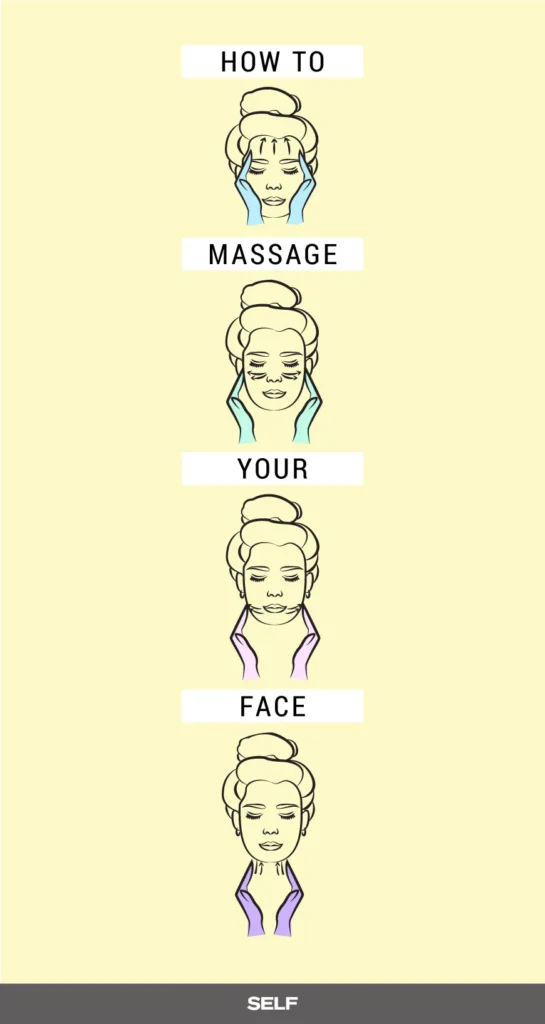
Self-Massage Technique: The Face
To massage your face, start by applying a small amount of oil or cream to your skin. Use your fingertips to gently massage your forehead, temples, and cheeks in a circular motion. Focus on areas of tension, such as the eyebrows and mouth.
Next, use your index fingers to apply gentle pressure to your temples, massaging out any tension or stress. Repeat this process several times, moving your fingers along the length of your face to release relaxation.
- Target areas: Forehead, temples, cheeks, eyebrows
- Tips:
- Use gentle pressure to avoid discomfort or irritation.
- Focus on releasing tension in the facial muscles, which can contribute to headaches and eye strain.
- Take deep breaths to relax your face and promote relaxation.
Self-Massage Technique: The Feet
To massage your feet, start by sitting comfortably with your back straight and feet flat on the floor. Place a tennis ball under one foot, just above the arch. Slowly roll the ball back and forth, applying gentle pressure as you go.
As you massage, take deep breaths and focus on relaxing your feet and ankles. Repeat this process several times, moving the ball along the length of your foot to release tension.
- Target areas: Feet, ankles, soles
- Tips:
- Use gentle pressure to avoid discomfort or pain.
- Focus on releasing tension in the arch and sole muscles, which can contribute to foot pain and fatigue.
- Take deep breaths to relax your feet and promote relaxation.
Self-Massage Technique: The Back
To massage your back, start by sitting comfortably with your back straight and hands placed on either side of your spine. Use your fingers to apply gentle pressure to the muscles, working from the base of your neck up towards your shoulders.
As you massage, take deep breaths and focus on relaxing your back and shoulders. Repeat this process several times, moving your fingers along the length of your back to release tension.
- Target areas: Back, shoulders, lower back
- Tips:
- Use gentle pressure to avoid discomfort or pain.
- Focus on releasing tension in the upper and middle back muscles, which can contribute to neck and shoulder pain.
- Take deep breaths to relax your back and promote relaxation.
Adding Oils Essentiali
To enhance your self-massage experience, consider adding a few drops of essential oils to your massage oil or cream. Some popular options include:
- Lavender: Known for its calming and relaxing properties
- Peppermint: Can help improve circulation and reduce inflammation
- Eucalyptus: Can aid in relieving muscle tension and pain
Tips for Essential Oils:
- Always dilute essential oils with a carrier oil before applying to the skin.
- Use a few drops of essential oil to avoid overpowering the senses.
- Experiment with different essential oils to find what works best for you.
Conclusion
Self-massage is a simple yet effective way to take care of yourself and promote overall wellbeing. By incorporating self-massage into your daily routine, you can experience reduced stress and anxiety, improved sleep quality, and enhanced physical and mental health.
Frequently Asked Questions
Q: What are the benefits of self-massage?
A: Regular self-massage can help reduce muscle tension and pain, improve circulation, enhance relaxation and stress relief, boost the immune system, and improve sleep quality.
Q: How do I get started with self-massage?
A: Start by finding a comfortable and quiet space where you can relax without distractions. You’ll also need a few basic tools, such as a tennis ball or massage oil.
Q: What are some common areas of tension to target during self-massage?
A: Common areas of tension include the neck, shoulders, face, feet, and back.
Q: Can I use essential oils with my self-massage?
A: Yes! Essential oils can enhance your self-massage experience by promoting relaxation, improving circulation, and reducing muscle tension.
Q: How often should I practice self-massage?
A: Aim to practice self-massage at least 2-3 times per week, ideally before bed or during a relaxing evening routine.


