
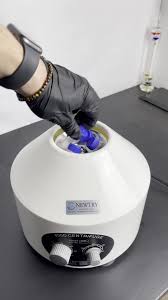
The Hidden Gem of Centrifuge Scrap: Turning Waste into Delicious Treats
As we navigate the world of food and beverage, it’s easy to overlook the often-overlooked byproducts of our favorite kitchen tools. The centrifuge, in particular, produces a substantial amount of scrap that’s not only wasted but also packed with nutrients. In this article, we’ll explore the creative ways to repurpose centrifuge scraps into mouthwatering treats.
The Unseen Consequences of Centrifuge Waste
Unlike efficient fruit extractors, centrifuges generate an abundance of wet waste, which can be downright wasteful and nutritionally costly. The leftover scraps from your favorite smoothie or juice can be nothing short of a culinary treasure trove. But what makes them so special?
The Science Behind Centrifuge Scrap
Centrifuges use high-speed spinning to separate liquids from solids, resulting in a substantial amount of pulp and sediment. This waste product is rich in dietary fiber, vitamins, minerals, and antioxidants, making it an excellent ingredient for baking and cooking. The leftover pulp can also be used as a natural food coloring agent, adding vibrant hues to desserts and drinks.
Why You Shouldn’t Toss Centrifuge Scraps
The remnants of your centrifuged goodness are not just scraps; they’re nutrient-rich byproducts that deserve a second chance. The leftover pulp from carrots, apples, or berries is packed with dietary fiber and micronutrients, making it the perfect ingredient for a variety of sweet treats.
Food Waste and Sustainability
The food waste generated by centrifuges is just one example of the numerous environmental challenges facing our planet. According to the United Nations Food and Agriculture Organization (FAO), one-third of all food produced globally is lost or wasted. This staggering statistic highlights the need for sustainable practices in food production, processing, and consumption.
Centrifuge Scraps: A Game-Changer in Sustainable Cooking
By utilizing centrifuge scraps in cooking, we can significantly reduce our environmental footprint. The leftover pulp from fruits and vegetables can be used to create nutrient-rich baked goods, desserts, and even savory dishes. This approach not only reduces waste but also promotes sustainable agriculture practices.
Sweet Treats to Make with Centrifuge Scraps
Here are some delightful recipes to get you started:
- Biscotti: Add the pulp of your favorite fruit to traditional biscuit dough. Shape into forms, sprinkle with sugar, and bake until golden brown.
- Plumcake: Mix centrifuged carrot or apple pulp into your cake batter for a moist and delicious dessert.
- Camille: Use centrifugated carrots or apples to create these French-inspired cakes. You can also experiment with different spices like cinnamon or nutmeg.
- Torta Deliziosa: Combine carotenoid-rich centrifuged carrot scraps with flour, sugar, yeast, lemon zest, and chopped nuts for a decadent cake.
Creative Uses for Centrifuge Scraps
In addition to baking and cooking, there are numerous creative ways to utilize centrifuge scraps:
- Natural Food Coloring Agent: Use the leftover pulp as a natural food coloring agent, adding vibrant hues to desserts, drinks, and even savory dishes.
- Salsas and Salads: Mix centrifuged carrot or apple pulp with herbs and spices to create delicious salsas and salads.
- Smoothies and Juices: Blend centrifuged fruits and vegetables into your favorite smoothie or juice recipes for added nutrition.
Tips for Working with Centrifuge Scraps
When working with centrifuge scraps, keep the following tips in mind:
- Choose the Right Fruits and Vegetables: Select a variety of fruits and vegetables to create unique flavor profiles and textures.
- Store Properly: Store leftover pulp in an airtight container in the refrigerator or freezer for future use.
- Experiment with Spices and Herbs: Experiment with different spices and herbs to enhance the flavors and aromas of your centrifuge scrap-based recipes.
Conclusion
Centrifuge scraps are not just waste; they’re nutrient-rich byproducts that deserve a second chance. By repurposing these scraps into delicious treats, we can significantly reduce our environmental footprint while promoting sustainable agriculture practices. Whether you’re a seasoned baker or an adventurous chef, there’s no denying the potential of centrifuge scraps in creating mouthwatering desserts and savory dishes.
The next time you’re about to toss those centrifuge scraps, take a moment to reconsider. Get inventive and create something delicious!


