
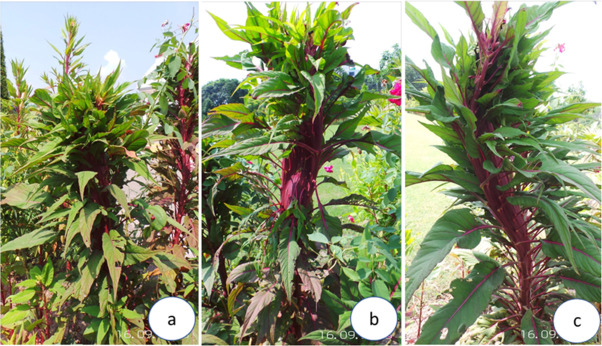
Celosia is a type of plant that has gained popularity in Europe for its vibrant flowers, which are not only visually stunning but also make great photo subjects. But what makes this plant so unique? In this article, we’ll delve into the characteristics, cultivation, and diseases of Celosia, helping you to understand and care for this beautiful plant.
Characteristics of Celosia
Celosia belongs to the Amaranthaceae family and is native to tropical regions in Asia, Africa, and America. It’s an annual plant with colorful, showy flowers that sprout above the leaves, making it a standout in any garden or indoor space.
There are over sixty species of Celosia, but one of the most well-known is the Celosia Cristata, also known as “Crested Celosia” due to its distinctive crest-like appearance. This plant produces red carmine or yellow flowers arranged in spigas that can reach up to ten centimeters in width.
Growing Conditions for Celosia
Celosia loves sunlight and warmth, making it an ideal choice for gardens with full sun exposure. In temperate climates like Italy’s, it can be grown outdoors in containers and beds, provided the temperature ranges from 20°C to 23°C, which is perfect for abundant flowering and healthy growth.
However, if you live in an area with low temperatures (below 15°C), Celosia will struggle to survive. When growing indoors, make sure not to place the plant directly under direct sunlight, as this can cause scorching.
Maintaining a moist soil is crucial for Celosia’s health, so ensure frequent watering but be cautious not to overwater or let water accumulate in the pot, which can lead to root rot and other issues.
Care Tips for Celosia
To keep your Celosia thriving, follow these care tips:
- Provide full sun to partial shade: Celosia requires at least six hours of direct sunlight per day to produce vibrant flowers. However, if you live in an area with intense sunlight, provide some afternoon shade to prevent scorching.
- Maintain a temperature range of 20°C to 23°C: This ideal temperature range promotes healthy growth and flowering. Avoid placing the plant near heating or cooling vents, fireplaces, or drafty windows.
- Water frequently but avoid overwatering: Check the soil moisture by inserting your finger into the soil up to the first knuckle. If the soil feels dry, water the plant thoroughly. However, avoid watering when the leaves are wet, as this can lead to root rot.
- Use a well-draining potting mix and repot as needed: Celosia prefers a well-draining potting mix to prevent waterlogged soil. Repot your plant every two to three years in the spring when it becomes pot-bound.
- Fertilize regularly starting from May: Feed your Celosia with a balanced fertilizer (10-10-10) once a month during the growing season (May to September). You can also use a high-potassium fertilizer (20-5-20) during the blooming period to promote flower production.
- Prune the plant to promote new growth and flowering: Pruning your Celosia encourages bushy growth and promotes more flowers. Cut off any dead or damaged leaves, and trim back leggy stems.
Cultivation Varieties
In addition to Celosia Cristata, there are several other popular varieties worth mentioning:
- Celosia Argentea: Originating from tropical Asia, this plant is known for its large size (up to a meter tall) and silver-gray leaves. It produces small white flowers in clusters.
- Celosia Caracas: This variety boasts bright orange flowers that appear during the summer months.
- Celosia Plumosa: Also known as “Fern-like Celosia,” this plant has fern-like leaves with red or yellow markings.
- Celosia variegata: A dwarf variety with white or cream-colored flowers and greenish-yellow leaves.
Using Celosia for Decorations
One of the most interesting uses of Celosia is drying its flowers, which retain their vibrant colors. Simply collect the flowers when they’re in full bloom, dry them thoroughly, and use them to create beautiful decorative arrangements or wreaths.
You can also use Celosia in floral arrangements, potpourri, or as a centerpiece for your dining table. Its unique shape and color add a touch of elegance to any setting.
Common Diseases of Celosia
Celosia can be susceptible to several diseases, including:
- Overwatering: This causes root rot and other problems.
- Insect infestations (e.g., aphids and spider mites): Regularly inspect your plant for signs of pests, such as white powdery patches on the leaves or tiny, moving dots on the stems.
- Exposure to cold air currents: Celosia is sensitive to sudden changes in temperature. Avoid placing the plant near drafty windows or doors.
- Powdery mildew: A fungal disease that causes a white, powdery coating on the leaves.
To prevent these issues, keep your Celosia in a well-ventilated area, avoid overwatering, and use organic pest control methods when necessary.
Pest Control Methods
If you notice any pests infesting your Celosia, try these organic pest control methods:
- Spray with neem oil: Neem oil is a natural insecticide that repels aphids, whiteflies, and other pests.
- Use diatomaceous earth: A powder made from fossilized algae, diatomaceous earth dehydrates and kills insects.
- Introduce beneficial insects: Encourage beneficial insects like ladybugs or lacewings to visit your garden by planting flowers that attract them.
Conclusion
Celosia is a stunning plant that adds beauty and interest to any space. By understanding its characteristics, growth requirements, and common diseases, you’ll be well-equipped to care for this lovely plant and enjoy its many benefits. Remember to provide the right growing conditions, avoid overwatering, and keep an eye out for pests.
Frequently Asked Questions
Q: Is Celosia a low-maintenance plant?
A: While Celosia is relatively easy to care for, it still requires attention to its watering, fertilization, and pruning needs. Regular maintenance can help prevent pest infestations and promote healthy growth.
Q: Can I grow Celosia indoors?
A: Yes, but make sure the temperature ranges between 20°C and 23°C and provide sufficient light. Avoid placing the plant directly under direct sunlight, as this can cause scorching.
Q: How often should I water my Celosia?
A: Water your Celosia whenever the top inch of soil feels dry to the touch. However, avoid watering when the leaves are wet, as this can lead to root rot.
Q: Can I use organic fertilizers on my Celosia?
A: Yes, using organic fertilizers is a great way to promote healthy growth and flowering. Choose a balanced fertilizer (10-10-10) or a high-potassium fertilizer (20-5-20) for optimal results.
Q: How do I prevent pests from infesting my Celosia?
A: Regularly inspect your plant for signs of pests, such as white powdery patches on the leaves or tiny, moving dots on the stems. Use organic pest control methods like neem oil or diatomaceous earth when necessary.
Q: Can I dry the flowers of Celosia?
A: Yes, drying the flowers can help preserve them for later use in decorative arrangements or wreaths.
Q: How long does it take for Celosia to bloom?
A: Celosia typically blooms at the end of spring and continues throughout summer. The blooming period may vary depending on factors like temperature, light, and watering.
Q: Can I propagate my Celosia plant?
A: Yes, you can propagate your Celosia by dividing the roots or using leaf cuttings. This is a great way to share plants with friends or create new varieties for your garden.
By following these guidelines and tips, you’ll be well on your way to becoming a Celosia expert. Happy growing!


