
Celery, also known as Apium graveolens, is a biennial herb native to the Mediterranean region. It’s easy to grow at home, making it a great addition to any garden or indoor space. In this article, we’ll delve into the benefits of celery, its properties, uses, and potential drawbacks.
What is Celery?
Celery is a versatile herb with numerous health benefits. Its leaves contain a unique compound called apigenin, which is also found in chamomile tea. This flavone has been linked to several health advantages, including reducing inflammation and promoting relaxation.
History of Celery
Celery has been used for medicinal purposes for centuries. The ancient Greeks and Romans used it to treat a variety of ailments, from indigestion to respiratory problems. In the 18th century, celery became popular in Europe as a digestive aid, and its use spread throughout the world.
Health Benefits of Celery
In addition to its calming effects, celery offers a range of other benefits:
- Digestive Aid: Celery’s high water content makes it an excellent natural diuretic, helping to flush out toxins and alleviate digestive issues.
- Antioxidant Properties: Celery contains antioxidants that help protect the skin from damage caused by free radicals, reducing the appearance of fine lines and wrinkles.
- Weight Loss: Celery’s low calorie count and high fiber content make it an excellent addition to a weight loss diet.
- Blood Pressure Regulation: The potassium content in celery helps regulate blood pressure, making it a great natural remedy for hypertension.
Nutritional Value of Celery
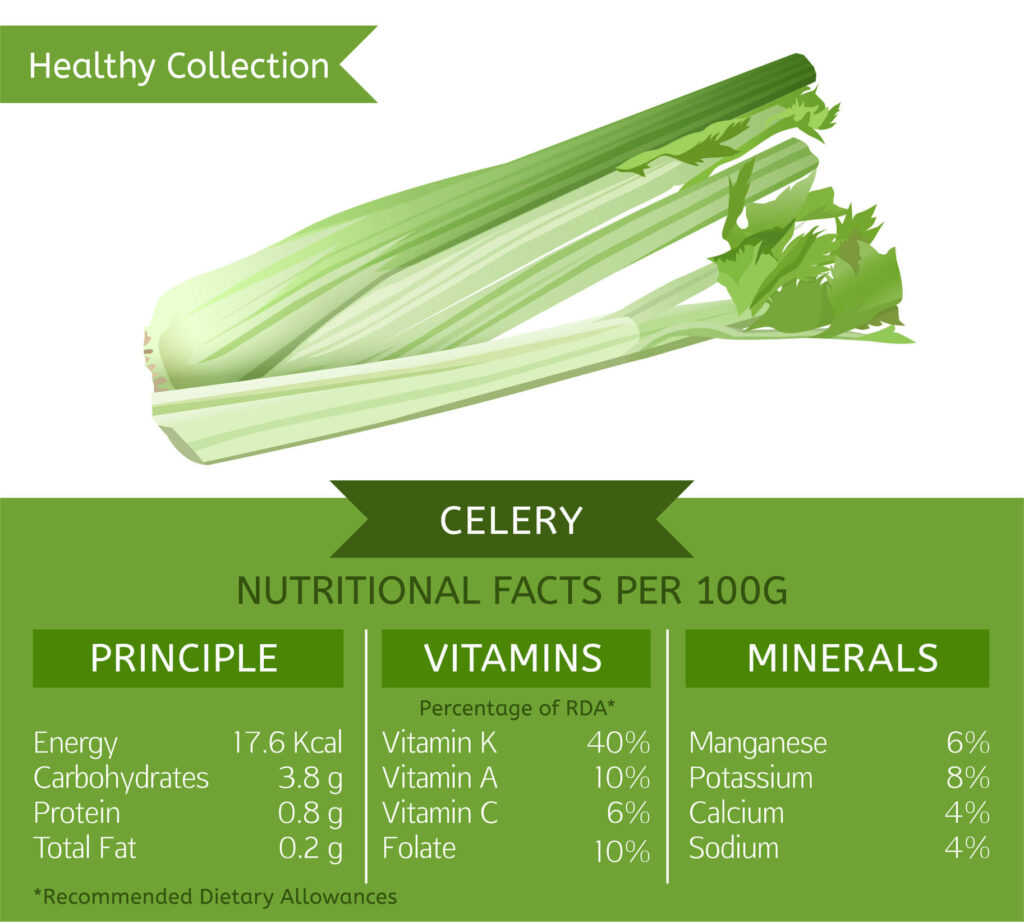
Celery is a nutrient-rich food that provides:
- Low Calorie Count: 1 cup of chopped celery contains only 6 calories
- High Fiber Content: Celery is an excellent source of dietary fiber, promoting digestive health and satiety
- Vitamins and Minerals: Celery is rich in vitamins A, C, E, K, and the B complex, as well as minerals like potassium, magnesium, and iron
Precautions and Contraindications
While celery is generally considered safe to consume, there are some precautions to be aware of:
- Allergic Reactions: Some individuals may experience allergic reactions to celery, particularly those with a history of allergies
- Sedative Effects: Celery’s apigenin content can cause drowsiness in high doses
- Pregnancy and Breastfeeding: Celery is not recommended for pregnant or breastfeeding women due to its potential effects on the uterus
Using Celery as a Substitute for Salt
Celery is often used as a natural substitute for salt, particularly in low-sodium diets. It can be used to season foods, add flavor to soups and salads, or make homemade salad dressings.
Preparing Celery for Consumption
There are several ways to prepare celery:
- Raw: Enjoy raw celery sticks as a crunchy snack
- Cooked: Sauté chopped celery in olive oil with garlic and herbs for a delicious side dish
- Centrifugated: Make a refreshing beverage by blending cooked celery with lemon juice and honey
Contraindications and Interactions
Celery can interact with certain medications or worsen certain health conditions. It’s essential to consult with a healthcare professional before consuming celery, especially if you have:
- Thyroid problems: Celery may exacerbate hypothyroidism due to its goitrogenic properties
- Kidney disease: Celery is high in potassium and may worsen kidney function
- Diabetes: Celery’s low calorie count can cause blood sugar levels to drop, making it unsuitable for individuals with diabetes
Potential Side Effects
While celery is generally safe to consume, some potential side effects include:
- Gas and bloating: Consuming large amounts of celery can lead to gas and bloating in some individuals
- Nausea and vomiting: High doses of celery’s apigenin content may cause nausea and vomiting
Conclusion
Celery is a versatile herb that offers numerous health benefits, from reducing inflammation to promoting relaxation. With its low calorie count, high fiber content, and rich nutrient profile, it’s an excellent addition to any diet. However, some precautions should be taken into account, particularly for individuals with allergies or certain medical conditions.
Frequently Asked Questions
- What is the best way to consume celery for maximum health benefits?
- Can celery be used as a substitute for salt in cooking?
- How much celery can I safely eat per day without experiencing allergic reactions?
- Is celery suitable for pregnant or breastfeeding women?
- Can celery be used to treat digestive issues, such as constipation or diarrhea?
- What are the potential side effects of consuming high doses of celery’s apigenin content?
- How can I use celery as a natural remedy for blood pressure regulation?
- Is celery an effective weight loss aid?
Additional Resources
For more information on the benefits and uses of celery, consider consulting with a healthcare professional or registered dietitian. They can provide personalized guidance based on your individual needs and health status.
Final Thoughts
Celery is a nutrient-rich food that offers numerous health benefits. With its low calorie count, high fiber content, and rich nutrient profile, it’s an excellent addition to any diet. However, some precautions should be taken into account, particularly for individuals with allergies or certain medical conditions. By understanding the benefits and uses of celery, you can harness its potential to improve your overall health and well-being.


