
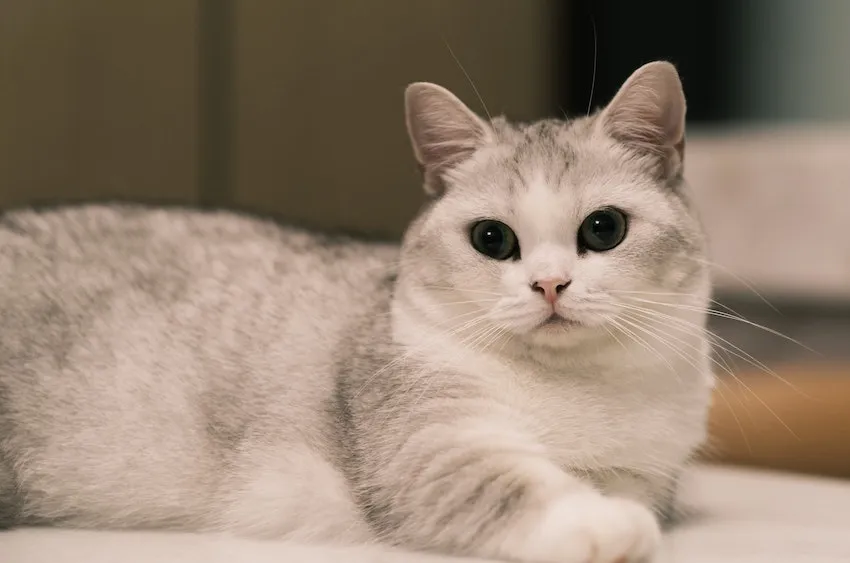
Are you fascinated by cats that remain small in size? You’re not alone! While many cat breeds grow into majestic felines, others retain their petite physique. In this article, we’ll delve into the world of miniature cats and explore five unique breeds that will capture your heart.
What Makes a Cat Remain Small?
It’s natural to wonder why some cats remain small in size while others grow into larger companions. The answer lies in genetics and breeding. Some breeds are naturally smaller due to their genetic makeup, while others have been selectively bred for their miniature size.
In this article, we’ll focus on five popular miniature cat breeds: Cornish Rex, Curl Americano, Devon Rex, Munchkin, and Singapura. We’ll examine the characteristics, traits, and needs of each breed, as well as discuss the challenges of owning a miniature cat.
Cornish Rex: The Curious Breed
The Cornish Rex is one of the rarest and most unique breeds in the world. Characterized by their wavy coat and slender build, these cats are often referred to as “pixie cats.” Their small size (typically weighing between 6-9 pounds) and playful personality make them ideal companions for families.
However, Cornish Rex cats require regular grooming to prevent matting and tangling of their fur. They’re also highly intelligent and demanding of attention from their owners. In addition, they can be prone to certain health issues such as patellar luxation and heart defects.
Curl Americano: The Mischievous Breed
The Curl Americano is a small breed that’s known for its curly, “perked-up” ears. While they may not be the smallest breed in the world (typically weighing between 8-12 pounds), they’re often mistaken for miniature cats due to their compact size.
One of the most distinctive features of the Curl Americano is its high energy level and playful personality. They require plenty of attention, exercise, and playtime to keep them happy and healthy. In addition, they can be prone to certain health issues such as urinary tract infections and dental problems.
Devon Rex: The Active Breed
The Devon Rex is a breed that shares many similarities with the Cornish Rex, but with some key differences. Their slender build and soft, curly coat make them ideal companions for families who want a low-maintenance pet.
However, Devon Rex cats are highly active and require plenty of exercise and stimulation to prevent boredom and destructive behavior. They also have a higher energy level than other miniature breeds, which can make them more challenging to care for.
Munchkin: The Unique Breed
The Munchkin is one of the most recognizable miniature cat breeds due to its distinctive short legs. While they may not be the smallest breed in the world (typically weighing between 4-8 pounds), their compact size makes them ideal companions for families with limited space.
Despite their small stature, Munchkin cats are highly agile and active, making them perfect for owners who enjoy interactive play. However, they can also be prone to certain health issues such as hip dysplasia and patellar luxation.
Singapura: The Mighty Breed
The Singapura is one of the smallest breeds in the world, weighing in at just 2-4 pounds. Despite their tiny size, they’re known for their bold personality and curious nature.
However, Singapura cats require plenty of attention and stimulation to prevent boredom and destructive behavior. They also have a short lifespan (typically living between 10-15 years), which can make them more challenging to care for in the long term.
Other Miniature Cat Breeds
While the five breeds mentioned above are some of the most well-known miniature cat breeds, there are many others worth exploring. Some popular breeds include:
- Kinkalow: A hybrid breed created by crossing a Munchkin with a Curl Americano.
- Napoleone: A hybrid breed created by crossing a Munchkin with a Persian.
- Lambkin: A hybrid breed created by crossing a Selkirk Rex with a Munchkin.
These breeds offer unique characteristics and traits that can make them ideal companions for certain owners. However, it’s essential to research each breed thoroughly before deciding which one is right for you.
Products for Miniature Cat Owners
As a miniature cat owner, you’ll want to ensure that your pet is comfortable and happy. Here are three products that can help:
- Soft Transporter: A soft, padded transport carrier perfect for small cats.
- Pet Stroller: A sturdy, compact stroller ideal for taking your miniature cat on the go.
- Interactive Toys: A variety of toys designed to stimulate your miniature cat’s mind and body.
In addition to these products, there are many other items that can help you provide the best possible care for your miniature cat. Some popular options include:
- Food and water bowls: Miniature cats require smaller food and water bowls to prevent spills and messes.
- Cat beds: Miniature cats need comfortable places to rest and sleep, making cat beds an essential item.
- Toys and scratching posts: Miniature cats require toys and scratching posts to keep them entertained and exercised.
Tips for Owning a Miniature Cat
If you’re considering owning a miniature cat, here are some tips to help you provide the best possible care:
- Research the breed thoroughly: Before deciding which breed is right for you, research their unique characteristics, traits, and needs.
- Provide regular grooming: Many miniature breeds require regular grooming to prevent matting and tangling of their fur.
- Exercise your cat regularly: Miniature cats need plenty of exercise and stimulation to prevent boredom and destructive behavior.
- Create a safe environment: Make sure your home is cat-proofed, with no hazardous materials or objects that can harm your miniature cat.
- Seek veterinary care early on: Regular veterinary check-ups are essential for monitoring your miniature cat’s health and detecting potential issues early on.
Conclusion
Miniature cat breeds offer a unique set of challenges and rewards for owners. By understanding their needs, traits, and characteristics, you can provide the best possible care for your feline friend. Whether you’re looking for a playful companion or a low-maintenance pet, there’s a miniature breed out there waiting for you.
Frequently Asked Questions
- What is the average lifespan of a miniature cat?
The average lifespan of a miniature cat varies depending on the breed and individual health factors. - Do miniature cats require special care?
Yes, miniature cats require regular grooming, exercise, and stimulation to prevent boredom and destructive behavior. - Can I feed my miniature cat like any other cat?
No, miniature cats have different nutritional needs than larger breeds. Consult with your veterinarian for dietary recommendations. - How often should I groom my miniature cat?
The frequency of grooming depends on the breed and individual coat type. Typically, miniature cats require daily brushing to prevent matting and tangling. -
Can I take my miniature cat outdoors?
Yes, many miniature breeds can be taken outdoors for supervised playtime. However, always ensure your cat’s safety and well-being. -
How often should I bathe my miniature cat?
Miniature cats typically require less frequent bathing than larger breeds. Consult with your veterinarian for specific recommendations. - Can I breed my miniature cat?
Breeding a miniature cat requires specialized knowledge and expertise. Consult with a reputable breeder or veterinarian before attempting to breed your pet. - How often should I take my miniature cat to the vet?
Regular veterinary check-ups are essential for monitoring your miniature cat’s health and detecting potential issues early on.
By answering these frequently asked questions, you’ll be better equipped to provide the best possible care for your miniature cat companion.



