
Introduction
Are you looking for a natural way to stimulate your cat’s senses and bring out their playful side? Look no further than catnip, also known as Nepeta cataria. This herb has been a staple in many cat owners’ households for centuries, and for good reason. In this article, we’ll delve into the world of catnip, exploring its effects on cats, benefits for humans, where to find it, and how to cultivate it.
What is Catnip?
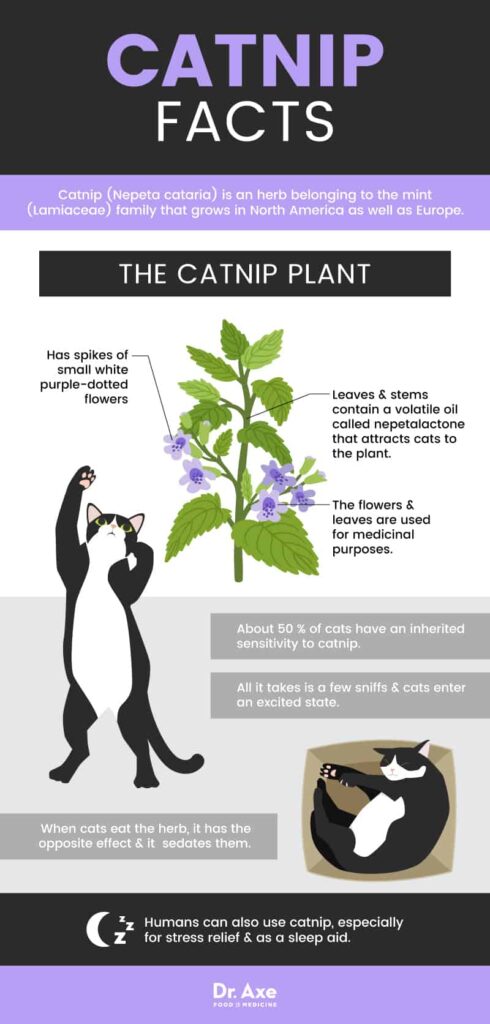
Catnip, also known as catmint or mint catnip, is a perennial herb belonging to the Lamiaceae family. It’s native to Europe and Asia, but has been widely cultivated in many parts of the world for its unique properties. The plant contains a compound called nepetalactone, which is responsible for its effects on cats.
History of Catnip
Catnip has been used by humans for centuries, with evidence of its use dating back to ancient Egypt and Greece. In Europe, catnip was popularized in the 19th century as a natural remedy for stress and anxiety. Today, it’s widely recognized as a natural way to stimulate cats’ senses and promote relaxation.
How Does Catnip Affect Cats?
Catnip has a profound effect on felines, triggering a response that’s often described as euphoric. When cats smell or ingest nepetalactone, it binds to receptors in their nasal tissue and brain, causing a release of neurotransmitters such as dopamine and serotonin. This leads to a range of behaviors, including:
- Rolling: Cats will often roll around on the ground, exposing their belly to maximize exposure to nepetalactone.
- Rubbing: Cats may rub their face and body against surfaces that have been touched by catnip, trying to absorb more of the herb’s scent.
- Licking: Some cats will lick their paws or other parts of their body after being exposed to catnip.
- Drooling: In some cases, cats may drool or foam at the mouth when they’re under the influence of nepetalactone.
What Are the Benefits of Catnip for Humans?
While catnip is often associated with cats, it also has several benefits for humans. The herb contains antispasmodic properties, making it a natural remedy for:
- Stress and anxiety: Catnip can help reduce stress and anxiety by promoting relaxation and calming the mind.
- Insomnia: Catnip may help improve sleep quality by regulating the body’s internal clock and promoting a sense of calm.
- Pain relief: The menthol content in catnip can help relieve pain and reduce inflammation.
Is Catnip Safe for Cats?
Catnip is generally considered safe for cats, but as with any herb or plant, there are some precautions to take. Cats who are sensitive to nepetalactone may experience adverse reactions such as:
- Vomiting: Some cats may vomit after consuming catnip.
- Diarrhea: In rare cases, cats may develop diarrhea after eating too much catnip.
- Lethargy: Cats may become lethargic or depressed if they’re overexposed to nepetalactone.
Where Can I Find Catnip?
Catnip is widely available in various forms, including:
- Dried leaves and stems: These can be found at most pet stores or online marketplaces.
- Seeds: You can buy catnip seeds online or at local nurseries.
- Fresh catnip: Some farmers and suppliers offer fresh catnip, which can be used immediately.
How to Grow Catnip
Growing catnip is relatively easy, even for beginners. The herb prefers:
- Well-draining soil: Catnip doesn’t like wet feet, so ensure your potting mix drains well.
- Full sun to partial shade: Catnip thrives in full sun to partial shade conditions.
- Regular watering: Water your catnip plant regularly, but avoid overwatering.
To grow catnip, simply:
- Plant the seeds or seedlings in a container or directly in the ground.
- Water regularly and maintain well-draining soil.
- Provide adequate sunlight and fertilize sparingly.
Catnip vs. Mint Catnip
While catnip and mint catnip are often used interchangeably, they’re not exactly the same thing. Both plants contain nepetalactone, but mint catnip has a stronger scent and is more potent than regular catnip. If you’re looking for a milder effect on your cat, regular catnip may be a better option.
Types of Catnip
There are several types of catnip available, including:
- English catnip: This is the most common type of catnip and has a strong scent.
- French catnip: This type of catnip has a slightly sweeter scent than English catnip.
- Hawaiian catnip: This variety of catnip is known for its high potency and long-lasting effects.
Conclusion
Catnip is a fascinating herb that offers numerous benefits for both cats and humans. Whether you’re looking to stimulate your cat’s senses or alleviate stress and anxiety in yourself, catnip is definitely worth exploring. With its ease of cultivation and widespread availability, it’s never been easier to incorporate this amazing plant into your life.
FAQs
- What are the benefits of catnip for cats?
Catnip has a profound effect on felines, triggering behaviors such as rolling, rubbing, licking, and drooling. It also helps stimulate their senses and promote relaxation. - Is catnip safe for humans?
Yes, catnip is generally considered safe for humans. However, it may cause allergic reactions in some individuals or interact with certain medications. - Can I grow my own catnip plant at home?
Yes, growing catnip is relatively easy and can be done indoors or outdoors. It prefers well-draining soil and full sun to partial shade conditions. - Where can I buy catnip seeds or seedlings?
Catnip seeds and seedlings are widely available online and in pet stores. You can also find them at local nurseries and garden centers. - How do I care for my catnip plant?
To keep your catnip plant healthy, water it regularly, provide adequate sunlight, and maintain well-draining soil. - Can cats become dependent on catnip?
While rare, some cats may develop a dependency on catnip. If you notice your cat becoming overly reliant on the herb, consider limiting its use or introducing other stimulating activities to their routine. - Is catnip a suitable substitute for veterinary medication?
No, catnip is not a suitable substitute for veterinary medication. While it can provide relief from stress and anxiety, it should only be used under the guidance of a veterinarian. - Can I use catnip for human health benefits?
Yes, catnip has antispasmodic properties, making it a natural remedy for stress, anxiety, and insomnia in humans. However, its effectiveness has not been extensively scientifically studied.
Additional Resources
For more information on catnip, consult the following resources:
- The Cat Fanciers’ Association: This organization provides comprehensive information on cat behavior, health, and nutrition.
- The International Cat Care website: This website offers expert advice on cat care, behavior, and health.
- PetMD: This online resource provides a wealth of information on pet health, behavior, and nutrition.
By following the guidelines outlined in this article, you can enjoy the benefits of catnip for both cats and humans. Whether you’re looking to stimulate your cat’s senses or alleviate stress and anxiety in yourself, catnip is definitely worth exploring.


