
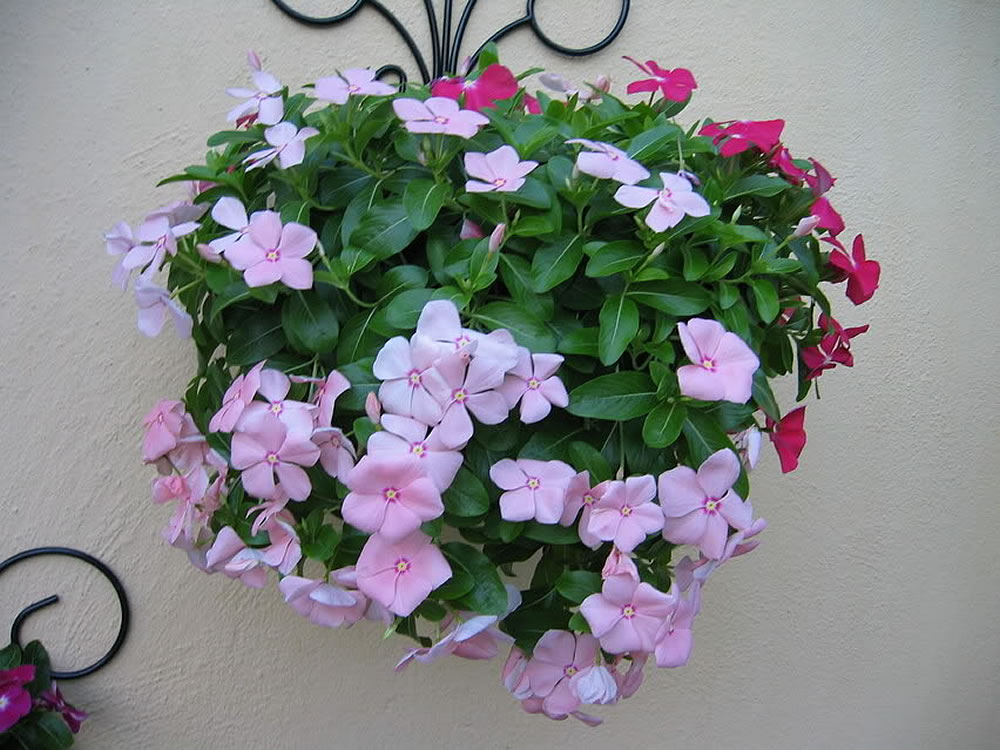
As we delve into the world of botany, few flowers have captivated our imagination as much as the Catharanthus, also known as Pervinca del Madagascar. This small, evergreen shrub has been a staple in tropical Africa, particularly in Madagascar’s lush rainforests. In this article, we will unravel the secrets of this enchanting plant, exploring its characteristics, cultivation requirements, and fascinating facts.
Characteristics of Catharanthus
Belonging to the Apocynaceae family, Catharanthus is a perennial shrub that has been cultivated for centuries. The most commonly found species is Catharanthus roseus, also known as Pervinca del Madagascar. This herbaceous, ramified plant boasts lance-shaped leaves with delicate nerve patterns and grows up to 30-34 cm in height. In Europe, this species is often used for decorative purposes, such as lining streets and sidewalks.
The Catharanthus produces showy flowers with five petals, ranging from white to pink, and a contrasting center. These flowers are highly prized for their beauty and fragrance, making them an excellent choice for floral arrangements and garden designs.
In terms of its growth habit, Catharanthus is a relatively fast-growing plant that can spread quickly if not pruned regularly. It can be trained as a bush or allowed to grow naturally in the ground, where it will form a small shrub with multiple stems.
Cultivating Catharanthus
To successfully cultivate Catharanthus, you must provide it with the right conditions. The plant thrives in full sun or partial shade, particularly in dry climates. In indoor environments, it’s essential to position the plant on a sunny balcony or in a south-facing window to maintain optimal temperatures.
When cultivating Catharanthus outdoors, ensure that the soil is well-draining and fertile. A mix of composted manure and perlite can provide the ideal substrate for this plant. During the winter months, reduce watering to prevent root rot.
Watering Catharanthus
Catharanthus requires consistent moisture, especially during its active growing season. Water the plant regularly, making sure the soil is completely dry between waterings. From May to August, water every 15-20 days, adding a balanced fertilizer to promote healthy growth.
In indoor environments, maintain humidity by misting the leaves daily, especially in the evening. When repotting Catharanthus, ensure that the pot has good drainage holes to prevent waterlogged soil.
Multiplying Catharanthus
Catharanthus can be propagated through seed or stem cuttings. Sow seeds on a well-draining substrate in temperatures around 20°C, maintaining high humidity. Germination typically takes about a month, followed by blooming within three months.
For stem cuttings, take segments of the plant during the summer months and remove all leaves except for two at the tip. Plant the cutting in a light, well-draining mix with rooting hormone powder, and keep it moist until new growth appears.
Common Pests and Diseases
Catharanthus is generally resistant to pests and diseases but can be susceptible to certain issues if not properly cared for. Regular monitoring will help prevent infestations by aphids, whiteflies, and spider mites. Fungal infections like albugine or botrytis may occur in humid environments.
If the plant appears wilted or its leaves turn yellow, it may indicate overwatering or inadequate light exposure. Inspect the plant regularly to catch any issues early on, taking action promptly if necessary.
Interesting Facts
Catharanthus has a rich history, with ancient poets like Giovanni Pascoli dedicating poems to this beautiful flower. In some cultures, Pervinca del Madagascar is associated with memories, friendships, and love.
In the past, the plant was used for medicinal purposes, particularly in treating digestive issues. Modern research has also explored its potential as a natural remedy for various health problems.
Catharanthus is also an important cultural symbol, featuring prominently in traditional African art and crafts. The flower’s unique shape and vibrant colors make it a popular motif in textiles, pottery, and other decorative items.
Frequently Asked Questions
-
Q: Can I grow Catharanthus indoors?
A: Yes, but it requires careful attention to lighting and watering conditions. -
Q: How often should I water my Catharanthus plant?
A: Water the plant when the soil is dry to the touch, making sure not to overwater. -
Q: Can Catharanthus be grown in containers?
A: Yes, but ensure proper drainage holes in the pot and repot every 2-3 years for optimal growth. -
Q: Are there any specific nutrients required by Catharanthus?
A: Provide a balanced fertilizer during the growing season to promote healthy growth and blooming. -
Q: Can I propagate Catharanthus through division?
A: No, as this method is not recommended due to the plant’s sensitive roots. -
Q: Is Catharanthus toxic to pets?
A: While the plant is generally non-toxic, it’s still best to keep it out of reach of curious animals to avoid any potential harm. -
Q: Can I grow multiple varieties of Catharanthus together?
A: Yes, but ensure that all plants have similar growing conditions and requirements for optimal coexistence. -
Q: Is there a specific time of year to plant Catharanthus?
A: Spring or early summer is the ideal time to plant Catharanthus outdoors, as it allows the plant to establish itself before the heat sets in. -
Q: Can I grow Catharanthus in acidic soil?
A: Yes, but be aware that this may require additional fertilization to maintain optimal nutrient levels. -
Q: How long does Catharanthus take to bloom after planting?
A: This can vary depending on the specific growing conditions and the variety of plant, but typically takes between 6-12 months for the first blooms to appear.
By understanding the needs and characteristics of this enchanting flower, you’ll be well on your way to cultivating a thriving and beautiful Catharanthus garden.


