
Introduction
For over 5,000 years, the wind has played a crucial role in human civilization. From ancient Egyptians using sails to harness the power of the wind on their Nile River boats to modern-day renewable energy solutions, the wind has been a constant source of inspiration and innovation. In this article, we will explore the latest advancements in wind power technology, specifically the silent wind turbine designed by Raymond Green.
A Brief History of Wind Power
The use of wind power dates back to ancient times. The Egyptians, as mentioned earlier, used sails to propel their boats across the Nile River. Similarly, in ancient China, windmills were used to pump water and grind grain. However, it wasn’t until the Industrial Revolution that wind power began to be harnessed on a large scale.
The Industrial Revolution marked the beginning of mass production and increased efficiency in wind power technology. The first modern wind turbines were developed in the late 19th century, and since then, wind power has become an increasingly important source of renewable energy.
The Rise of Renewable Energy
In recent years, renewable energy has become an increasingly important part of our global energy mix. In just ten years, wind power production in Europe has increased by 700%, from 13 GW in 2000 to over 100 GW today. This is a remarkable achievement, and one that highlights the potential for wind power to play a significant role in reducing our reliance on fossil fuels.
The growth of renewable energy has been driven by several factors, including increasing concerns about climate change, declining technology costs, and government policies aimed at promoting sustainable development. As the world transitions towards a low-carbon economy, wind power is likely to continue playing an important role.
Environmental Concerns
However, as the demand for wind power grows, so too do concerns about its impact on the environment. One of the main issues is the risk of bird strikes, particularly during installation and maintenance phases. According to estimates, over 200 million birds die each year due to collisions with wind turbines.
Another concern is the potential for wind farms to disrupt ecosystems and affect local biodiversity. Wind farms can also have an impact on human health, particularly in terms of noise pollution and visual impacts.
Introducing Catching Wind Power (CWP)
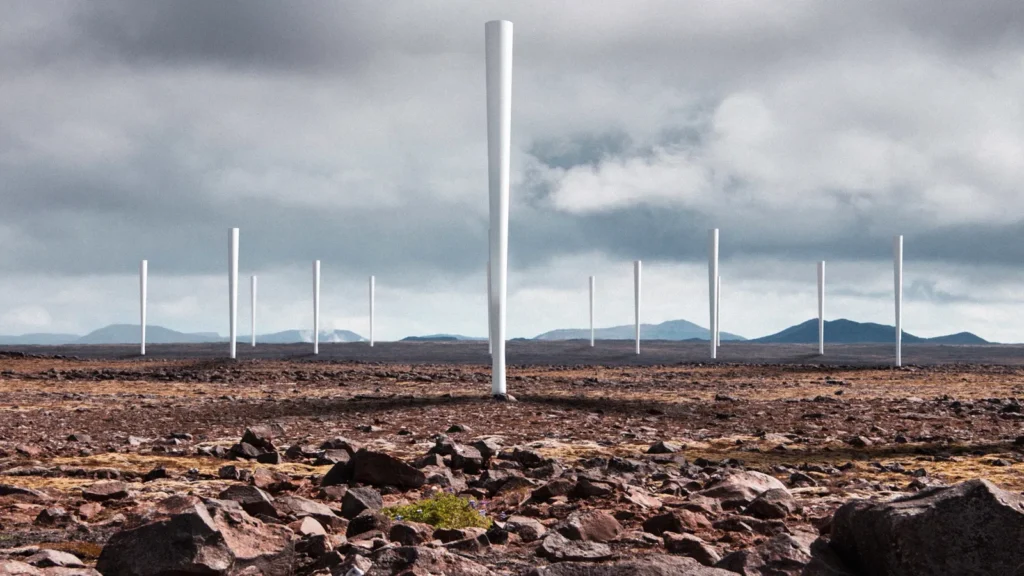
To address these concerns, Raymond Green has developed a groundbreaking new design for a wind turbine without blades. The Catching Wind Power (CWP) system uses a large cone-shaped structure to capture the wind energy, while also protecting birds and other wildlife.
How CWP Works
The CWP system consists of a large conical shape, which is positioned at the base of the turbine. As the wind flows through the cone, it creates a high-pressure area that drives the turbines. This design allows for more efficient energy production while minimizing the risk of bird strikes.
Key Features of CWP
- Cone Technology: The conical shape of the CWP system creates a high-pressure area that drives the turbine.
- Bird Protection: The cone-shaped structure prevents birds from coming into contact with the rotating blades, reducing the risk of bird strikes.
- Low Noise Emissions: The CWP system is designed to produce minimal noise, making it an attractive option for communities near wind farms.
Benefits of CWP
The Catching Wind Power system offers several benefits over traditional wind turbines:
- Increased Efficiency: The conical shape of the CWP system allows for more efficient energy production.
- Reduced Environmental Impact: By minimizing bird strikes and noise emissions, CWP reduces its environmental footprint.
- Improved Reliability: The cone-shaped design also improves the reliability of the turbine by reducing the risk of mechanical failure.
Conclusion
The Catching Wind Power system represents a significant advancement in wind power technology. With its innovative design and focus on reducing environmental impact, CWP is an exciting new development in the renewable energy sector. As we move forward in our quest for sustainable energy solutions, it will be interesting to see how CWP and other technologies like it shape the future of wind power.
Frequently Asked Questions
Q: What is Catching Wind Power?
A: Catching Wind Power (CWP) is a new design for a wind turbine without blades. It uses a large conical shape to capture wind energy while protecting birds and other wildlife.
Q: How does CWP work?
A: The CWP system uses a large conical shape to create a high-pressure area that drives the turbines, reducing the risk of bird strikes and noise emissions.
Q: Is CWP efficient?
A: Yes, the CWP system is designed to be more efficient than traditional wind turbines, with a focus on maximizing energy production while minimizing environmental impact.
Q: What are the benefits of CWP?
A: The Catching Wind Power system offers several benefits, including increased efficiency, reduced environmental impact, and minimal noise emissions.
Q: Is CWP suitable for all locations?
A: While CWP can be installed in various locations, it is particularly well-suited for areas with high wind speeds and low bird populations.
Future Developments
As the demand for wind power continues to grow, it’s likely that we’ll see further innovations in wind turbine design. Some potential future developments include:
- Advanced Materials: New materials and technologies could be used to create more efficient and durable turbines.
- Smart Turbines: Future turbines could incorporate advanced sensors and AI systems to optimize performance and reduce maintenance needs.
Conclusion
The Catching Wind Power system represents a significant step forward in the development of wind power technology. As we continue to innovate and improve our renewable energy solutions, it will be exciting to see how CWP and other technologies shape the future of sustainable energy.
Recommendations
If you’re considering investing in wind power or want to learn more about the latest developments in the field, here are some recommendations:
- Visit a Wind Farm: Visiting a wind farm can give you a firsthand look at the technology and its impact on the environment.
- Consult with Experts: Talking to experts in the field can provide valuable insights into the benefits and challenges of wind power.
- Stay Up-to-Date: Following industry news and developments can help you stay informed about the latest advancements in wind power.
By embracing innovation and working together, we can create a more sustainable future for all.


