
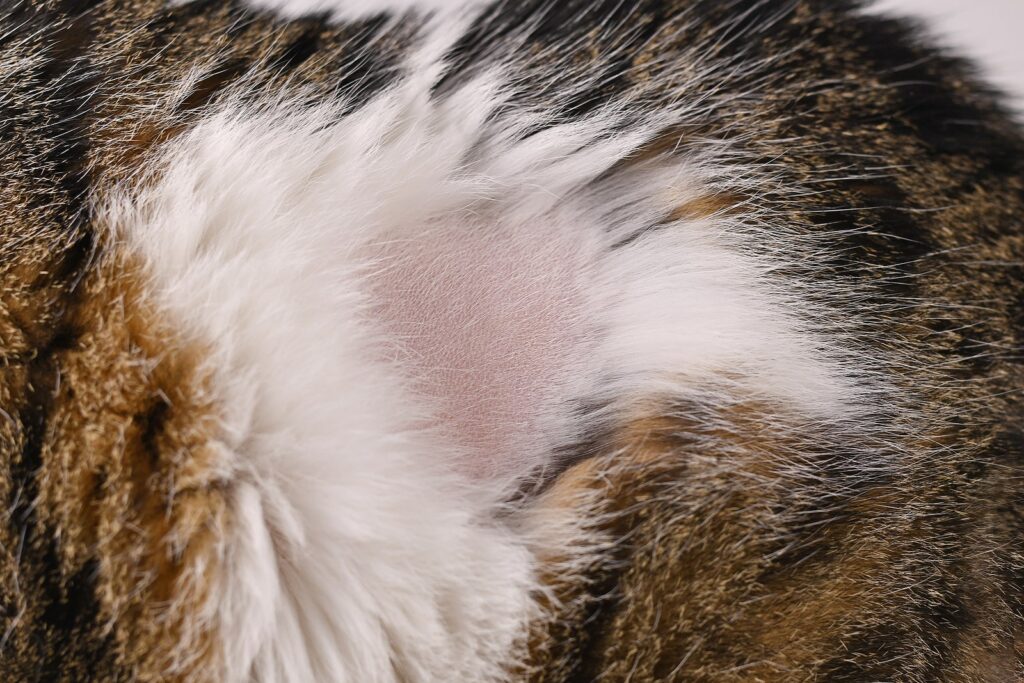
As a cat owner, it’s natural to want to keep your feline friend looking and feeling its best. However, even with regular grooming, cats can still develop skin problems that can be frustrating and uncomfortable for both you and your pet. In this article, we’ll explore the most common feline skin problems, their causes, symptoms, and treatments.
What is Feline Acne?
Feline acne is one of the most common skin problems affecting cats. It appears as blackheads or whiteheads around the mouth, chin, and cheeks, often accompanied by redness, swelling, and itching. This condition is usually caused by a poor diet, which can lead to digestive issues and inflammation in the skin.
Causes of Feline Acne
- Poor diet: A diet high in fat and low in fiber can lead to digestive issues and inflammation in the skin.
- Digestive issues: Cats with digestive problems such as irritable bowel syndrome (IBS) or inflammatory bowel disease (IBD) are more likely to develop acne.
- Inflammation in the skin: Inflammation in the skin can cause redness, swelling, and itching, which can lead to acne.
Symptoms of Feline Acne
- Blackheads or whiteheads around the mouth, chin, and cheeks
- Redness and swelling
- Itching and scratching
Treating Feline Acne
If you suspect that your cat has feline acne, it’s essential to consult with a veterinarian. They can diagnose the condition and recommend treatment options.
- Keeping your cat’s diet balanced and nutritious: A high-quality commercial diet or homemade diet rich in fiber and omega-3 fatty acids can help reduce inflammation in the skin.
- Regular grooming: Regular brushing and bathing can help remove dead skin cells and prevent bacterial growth.
- Topical antibiotics or antifungal medications: In severe cases, topical antibiotics or antifungal medications may be prescribed to treat the acne.
What is Feline Dermatitis?
Feline dermatitis, also known as skin allergies, is a condition that affects cats, causing inflammation, itching, and scratching. There are several types of dermatitis, including:
- Atopic dermatitis (allergic reactions)
- Contact dermatitis (irritation caused by external factors)
Causes of Feline Dermatitis
- Allergies: Allergies to environmental allergens such as pollen or dust mites can cause atopic dermatitis.
- Irritants: Exposure to irritants such as soap, shampoo, or skin products can cause contact dermatitis.
Symptoms of Feline Dermatitis
- Redness and inflammation
- Itching, scratching, and chewing
- Hair loss or thinning
Treating Feline Dermatitis
If you suspect that your cat has feline dermatitis, it’s crucial to consult with a veterinarian. They can diagnose the condition and recommend treatment options.
- Allergy testing: To determine if your cat is allergic to environmental allergens or skin products.
- Elimination diets: A diet free from common allergens such as beef, dairy, or soy may be prescribed to help identify food allergies.
- Topical corticosteroids or immunomodulatory medications: In severe cases, topical corticosteroids or immunomodulatory medications may be prescribed to treat the dermatitis.
What is Alopecia?
Alopecia is a skin condition that causes hair loss in cats. It’s often caused by hormonal imbalances, stress, or nutritional deficiencies. There are several types of alopecia, including:
- Telogen effluvium (hair loss due to stress)
- Follicular dysplasia (abnormal growth of hair follicles)
Causes of Alopecia
- Hormonal imbalances: Hormonal imbalances such as hyperthyroidism or Cushing’s disease can cause alopecia.
- Stress: Chronic stress can lead to telogen effluvium.
- Nutritional deficiencies: Deficiencies in vitamins and minerals such as zinc, copper, or iron can contribute to alopecia.
Symptoms of Alopecia
- Hair loss or thinning
- Skin irritation and redness
Treating Alopecia
If you suspect that your cat has alopecia, it’s essential to consult with a veterinarian. They can diagnose the condition and recommend treatment options.
- Hormonal treatments: In cases of hormonal imbalances, hormonal treatments may be prescribed.
- Nutritional supplements: Supplements such as zinc, copper, or iron may be recommended to address nutritional deficiencies.
What is Eczema in Cats?
Eczema, also known as atopic dermatitis, is a skin condition that affects cats, causing inflammation, itching, and scratching. It’s often caused by allergies or environmental factors.
Causes of Eczema in Cats
- Allergies: Allergies to environmental allergens such as pollen or dust mites can cause atopic dermatitis.
- Environmental factors: Exposure to irritants such as soap, shampoo, or skin products can cause contact dermatitis, which can lead to eczema.
Symptoms of Eczema in Cats
- Redness and inflammation
- Itching, scratching, and chewing
- Hair loss or thinning
Treating Eczema in Cats
If you suspect that your cat has eczema, it’s crucial to consult with a veterinarian. They can diagnose the condition and recommend treatment options.
- Allergy testing: To determine if your cat is allergic to environmental allergens or skin products.
- Elimination diets: A diet free from common allergens such as beef, dairy, or soy may be prescribed to help identify food allergies.
- Topical corticosteroids or immunomodulatory medications: In severe cases, topical corticosteroids or immunomodulatory medications may be prescribed to treat the eczema.
What are Fungal Skin Infections in Cats?
Fungal skin infections, also known as mycotic infections, are a type of infection caused by fungi. These infections can be severe and spread quickly if left untreated.
Causes of Fungal Skin Infections in Cats
- Exposure to contaminated environments: Cats that spend time outdoors or in damp environments may be exposed to fungal spores.
- Poor grooming habits: Poor grooming habits can lead to skin irritation and increase the risk of fungal infections.
Symptoms of Fungal Skin Infections in Cats
- Redness, swelling, and lesions on the skin
- Itching, scratching, and chewing
- Hair loss or thinning
Treating Fungal Skin Infections in Cats
If you suspect that your cat has a fungal skin infection, it’s essential to consult with a veterinarian. They can diagnose the condition and recommend treatment options.
- Antifungal medications: In severe cases, antifungal medications may be prescribed.
- Antibiotics for secondary infections: If the infection spreads or becomes secondary, antibiotics may be prescribed to treat any bacterial infections.
Conclusion
Cats are prone to various skin problems, including acne, dermatitis, alopecia, eczema, and fungal skin infections. By understanding the causes, symptoms, and treatments for these conditions, you can help keep your feline friend healthy and happy.
Frequently Asked Questions (FAQs)
- Q: What is the most common cause of feline acne?
A: Poor diet. - Q: How do I treat feline acne?
A: Consult with a veterinarian for diagnosis and treatment options. - Q: What is the difference between atopic dermatitis and contact dermatitis?
A: Atopic dermatitis is an allergic reaction, while contact dermatitis is caused by external factors. - Q: Can fungal skin infections be prevented?
A: Yes, by maintaining good grooming habits and keeping your cat’s environment clean.
By following these tips and consulting with a veterinarian if you suspect that your cat has a skin problem, you can help keep your feline friend healthy and happy. Remember to always monitor your cat’s health and seek professional advice if you have any concerns about their skin or overall health.


