
As a responsible cat owner, it’s essential to understand your feline friend’s dietary needs. A well-balanced diet is crucial for maintaining your cat’s overall health and preventing obesity-related issues. In this article, we’ll delve into the world of feline nutrition, exploring the ideal food intake for cats of different ages, sizes, and life stages.
The Importance of Proper Nutrition
Adequate nutrition is vital for your cat’s well-being. Overfeeding can lead to obesity, which increases the risk of various health problems, such as diabetes, arthritis, and heart disease. On the other hand, undernutrition can cause malnutrition, weakness, and poor coat condition.
Feline Dietary Needs: A General Overview
The average adult cat requires 40 grams of wet food per kilogram of body weight daily. This translates to approximately 160 grams of wet food for a 4 kg (8.8 lbs) cat. However, this calculation assumes a balanced diet, and individual needs may vary depending on factors like age, size, and activity level.
Feline Dietary Needs by Life Stage
- Kittenhood: Kittens require more protein and calories to support their rapid growth and development. A general guideline is 50 grams of wet food per kilogram of body weight daily.
- Adulthood: As mentioned earlier, adult cats need around 40 grams of wet food per kilogram of body weight daily. However, this can be adjusted based on individual factors like activity level and metabolism.
- Seniorhood: Senior cats may require less protein and calories due to decreased activity levels and slower metabolism. A general guideline is 30-40 grams of wet food per kilogram of body weight daily.
Factors Influencing Feline Dietary Needs
- Weight: Cats with excess weight may require fewer calories, while underweight cats need more.
- Age: Kittens and senior cats have different nutritional needs due to their growth rates and metabolism.
- Activity Level: Indoor cats typically require less food than outdoor cats due to reduced activity levels.
Managing Feline Dietary Needs
To ensure your cat receives the right amount of nutrients, consider the following strategies:
- Consult with a veterinarian to determine your cat’s individual nutritional needs based on their age, weight, and health status.
- Use high-quality commercial cat food that meets your veterinarian’s recommendations.
- Provide plenty of fresh water to ensure optimal hydration.
- Limit treats and snacks to avoid overfeeding.
Nutrient Requirements
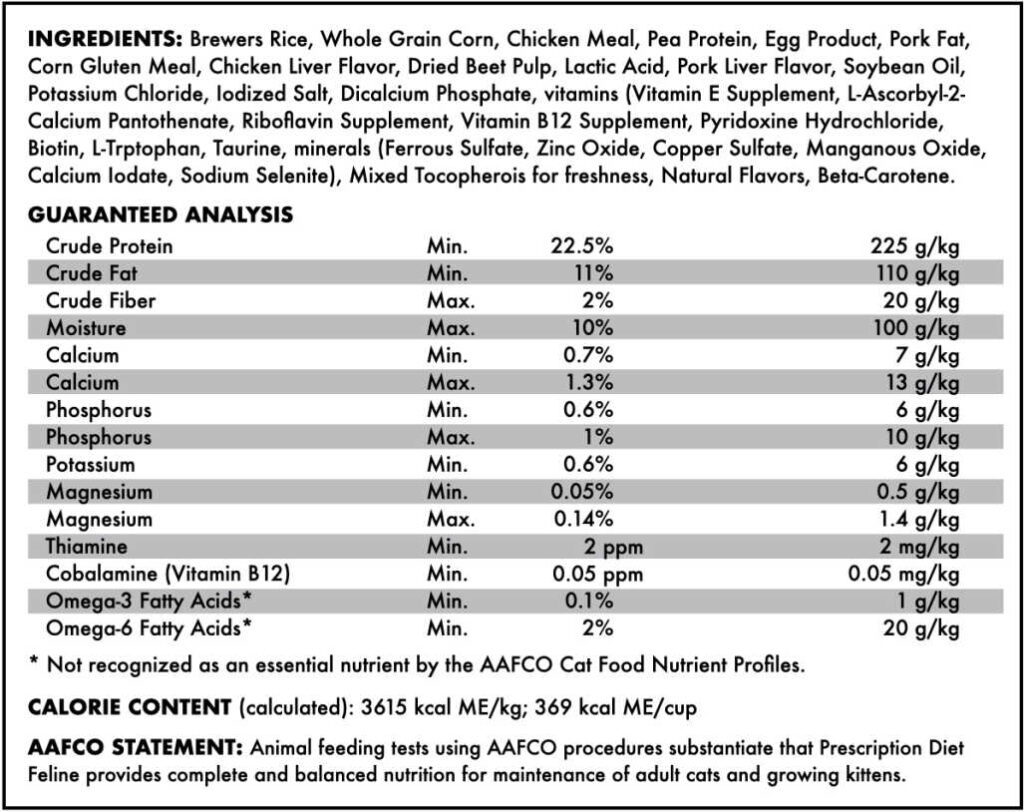
Cats require specific nutrients for optimal health. These include:
- Protein: essential for muscle growth and repair
- Fat: provides energy and helps with the absorption of vitamins
- Carbohydrates: provide energy, but cats don’t need them in excess
- Fiber: important for digestive health
- Vitamins and minerals: necessary for various bodily functions
Common Nutrient Deficiencies
Cats are prone to nutrient deficiencies due to their unique dietary needs. Common deficiencies include:
- Protein deficiency: can lead to muscle wasting and weakness
- Vitamin A deficiency: can cause night blindness, skin problems, and reproductive issues
- Calcium deficiency: can lead to bone fractures and osteoporosis
Consequences of Nutrient Deficiencies
Ignoring nutrient deficiencies can have severe consequences for your cat’s health. These include:
- Weight loss
- Poor coat condition
- Increased risk of disease
- Decreased lifespan
Conclusion
A well-balanced diet is crucial for maintaining your cat’s overall health and preventing obesity-related issues. By understanding feline dietary needs and managing them effectively, you can provide your cat with the nutrients they require to thrive.
Frequently Asked Questions (FAQs)
- How often should I feed my cat?
- The frequency of feeding depends on your cat’s age, weight, and activity level.
- What type of food is best for my cat?
- Consult with a veterinarian to determine the most suitable food for your cat based on their individual needs.
- Can I give my cat table scraps?
- No, table scraps should not be fed to cats as they can cause digestive issues and weight gain.
-
How often should I take my cat to the vet for check-ups?
- Regular check-ups with your veterinarian are essential for monitoring your cat’s health and adjusting their diet accordingly.
-
Can I give my cat supplements?
- Always consult with a veterinarian before adding any supplements to your cat’s diet.
- How do I know if my cat is underweight or overweight?
- Regular weight checks with your veterinarian can help determine whether your cat needs more or less food.
-
Can I feed my cat raw meat?
- Raw meat can pose a risk of bacterial contamination and should be avoided unless specifically recommended by a veterinarian.
-
How often should I change my cat’s food?
- It’s generally recommended to switch your cat’s food every 2-3 months or as needed based on their individual response.
-
Can cats eat dairy products?
- Cats are lactose intolerant, so dairy products can cause digestive issues.
- How do I choose the right litter for my cat?
- Consider factors like odor control, dust levels, and moisture absorption when selecting a litter for your cat.
By understanding feline dietary needs and managing them effectively, you can provide your cat with the nutrients they require to thrive. Always consult with a veterinarian if you have any questions or concerns about your cat’s diet.


