
As a cat owner, it’s essential to recognize the importance of their eyes. Not only are they aesthetically pleasing, but they also serve as a crucial sense organ for our feline friends, helping them navigate and hunt in the dark. However, eye problems can be a significant concern, especially if left untreated.
Why Eyes Are Important for Cats
Cats rely heavily on their vision to move around and detect prey, even in low-light conditions. Their eyes are like built-in radar systems, allowing them to pinpoint targets and navigate through complex environments. As such, it’s crucial to take eye problems seriously and address them promptly.
The eyes of a cat are made up of several layers, including the cornea, iris, pupil, retina, and choroid. The cornea is the outermost layer, providing protection for the sensitive inner structures of the eye. The iris controls the amount of light that enters the eye by adjusting the size of the pupil. The retina contains specialized cells called photoreceptors, which convert light into electrical signals sent to the brain.
Common Eye Problems in Cats
There are several common eye problems that can affect cats, including:
- Conjunctivitis: A bacterial or viral infection that causes inflammation and discharge from the eyes.
- Cataracts: A clouding of the lens in the eye that affects vision.
- Cherry Angioedema: A condition characterized by swelling of the conjunctiva, often caused by allergies.
- Keratitis: An inflammation of the cornea, which can cause vision problems and discomfort.
Identifying Symptoms
If you suspect your cat is experiencing eye problems, look out for these symptoms:
- Discharge or redness in the eyes
- Squinting or avoiding bright lights
- Increased tearing or rubbing at the eyes
- Cloudy or dim vision
- Lethargy or loss of appetite
Conjunctivitis Treatment
If your cat is diagnosed with conjunctivitis, treatment typically involves:
- Cleaning the affected area with saline solution and cotton balls
- Applying antibiotic ointments or drops to reduce infection
- Using a humidifier to alleviate dryness and irritation
It’s essential to consult with a veterinarian if you suspect your cat has conjunctivitis. They will perform a physical examination, take a complete medical history, and conduct diagnostic tests (such as a culture or sensitivity test) to determine the cause of the infection.
Cataract Treatment
For cats with cataracts, surgery may be necessary to remove the cloudy lens and replace it with an artificial one. In some cases, medication can help manage symptoms until surgery can be performed.
There are several types of cataract surgery available for cats, including:
- Extracapsular cataract extraction: This involves removing the lens capsule that surrounds the cataract.
- Intracapsular cataract extraction: This involves removing both the lens capsule and the cloudy lens itself.
- Phacoemulsification: This is a modern surgical technique that uses ultrasonic waves to break up the cloudy lens.
Cherry Angioedema Treatment
Treatment for cherry angioedema typically involves:
- Administering corticosteroids to reduce inflammation
- Using antihistamines to alleviate allergic reactions
- Providing environmental modifications to reduce allergen exposure
It’s essential to work with a veterinarian to develop a treatment plan for your cat. They may recommend lifestyle changes, such as keeping your cat indoors during peak pollen hours or using HEPA filters to remove allergens from the air.
Keratitis Treatment
For cats with keratitis, treatment may involve:
- Applying topical ointments or drops to reduce inflammation and promote healing
- Using a humidifier to alleviate dryness and irritation
- Managing pain and discomfort with medication
In some cases, your veterinarian may recommend laser surgery or cryotherapy to treat keratitis.
Preventing Eye Problems
To prevent eye problems in your cat, follow these tips:
- Provide regular veterinary check-ups to monitor eye health
- Keep your cat’s eyes clean by wiping them gently with a damp cloth
- Use artificial tears or lubricating drops to reduce dryness and irritation
- Ensure good lighting conditions to reduce strain on the eyes
Malattie Occhi del Gatto Piccolo
When it comes to young cats, eye problems can be especially concerning. In these cases, it’s essential to investigate the underlying cause of the problem.
Some common eye issues in kittens include:
- Oftalmite Infettiva: A bacterial or viral infection that causes discharge and redness.
- Dotto Lacrimale Occlusione: A blockage of the tear duct, leading to excessive tearing and discomfort.
Consigli per la Prevenzione
To prevent eye problems in your cat, follow these tips:
- Provide a balanced diet rich in omega-3 fatty acids
- Ensure adequate hydration by offering plenty of fresh water
- Keep your cat’s environment clean and free from allergens
By recognizing the importance of your cat’s eyes and taking proactive steps to prevent and manage eye problems, you can help ensure a happy and healthy life for your feline friend.
FAQs
Here are some frequently asked questions about eye problems in cats:
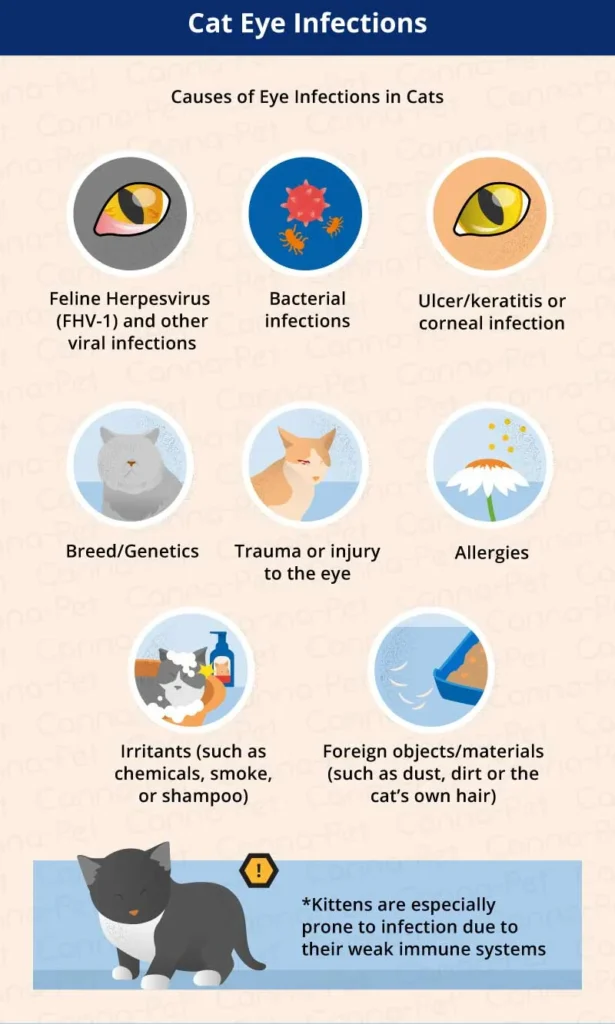
- Q: What causes eye problems in cats?
A: Eye problems can be caused by a variety of factors, including genetics, age, diet, and environmental factors. - Q: How often should I take my cat to the vet for eye checks?
A: It’s recommended to schedule regular veterinary check-ups every 6-12 months to monitor your cat’s eye health. - Q: Can eye problems be cured?
A: Treatment options vary depending on the underlying cause of the problem, but many eye issues can be effectively managed with medication and lifestyle changes. -
Q: How can I prevent eye problems in my kitten?
A: By providing a balanced diet, ensuring adequate hydration, and keeping your cat’s environment clean, you can help reduce the risk of eye problems. -
Q: What are the symptoms of cataracts in cats?
A: Symptoms may include clouded vision, sensitivity to light, and increased tearing. - Q: Can cherry angioedema be treated at home?
A: While some home remedies can help alleviate symptoms, it’s essential to consult with a veterinarian for proper diagnosis and treatment. -
Q: How often should I clean my cat’s eyes?
A: It’s recommended to gently wipe your cat’s eyes with a damp cloth daily to remove debris and discharge. -
Q: Can eye problems be passed down from parents to kittens?
A: While some eye issues can be inherited, many are caused by environmental factors or genetic mutations that occur during breeding.
By understanding the importance of your cat’s eyes and taking proactive steps to prevent and manage eye problems, you can help ensure a happy and healthy life for your feline friend.


