
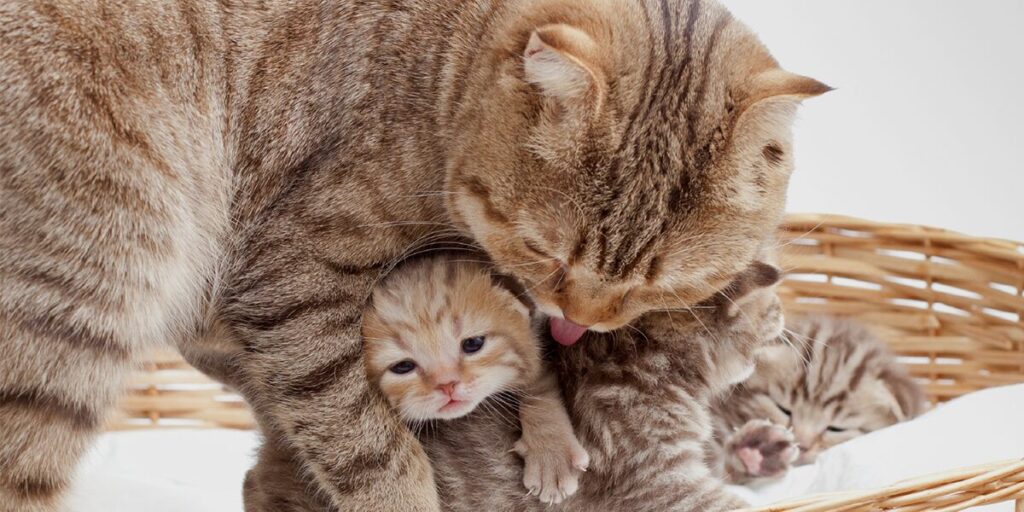
As a responsible cat owner, it’s essential to know when your feline friend is due to give birth. While cats are known for their independence, they still require attention and care during this critical period. In this article, we’ll delve into the world of cat birthing, exploring what happens during this process, common symptoms to look out for, and tips on how to ensure a smooth delivery.
Preparing for the Big Day
When it’s time for your cat to give birth, you’ll need to provide a comfortable and safe environment. This means preparing a warm, quiet space for your cat to deliver her kittens. A good rule of thumb is to choose a room that’s free from drafts and noise, with plenty of blankets or towels to keep your cat cozy.
To make the birthing process even more comfortable, consider adding some natural materials like cotton balls, cardboard boxes, or soft fabrics to create a sense of security for both momma cat and her kittens. A clean, dry environment is also crucial to prevent any potential infections.
The Birthing Process: What Happens
During the birthing process, your cat’s body undergoes significant changes. The cervix dilates, and the uterus contracts, preparing the kittens for birth. You may notice increased respiratory rates, whining, or restlessness in your cat as she prepares to give birth.
As the kitten emerges, you’ll typically see a placenta attached to it. This is normal and should be removed to prevent any potential infections. The birthing process usually takes around 6 hours, although this can vary depending on the number of kittens and the health of both momma cat and her babies.
The Role of Pheromones in Cat Birth
Pheromones play a crucial role in the birthing process for cats. These chemical signals help regulate the reproductive cycle and prepare the mother’s body for labor. As your cat approaches birth, she’ll start to produce more pheromones, which can be detected through scent.
Common Symptoms to Look Out For
Keep an eye out for these common symptoms that may indicate your cat is due to give birth:
- Increased restlessness or agitation
- Changes in appetite or water intake
- Elevated body temperature (usually 1-2 degrees Celsius)
- Whining or vocalization
- Increased frequency of urination
The Importance of Monitoring Your Cat’s Health
During the birthing process, it’s essential to monitor your cat’s health closely. Look for any signs of distress, such as difficulty breathing, rapid heartbeat, or excessive bleeding after delivery.
What to Expect During Delivery
Delivery usually starts with a kitten emerging from the birth canal. You’ll typically see a placenta attached to it, which should be removed promptly. The next kittens will follow in about 30-60 minutes, with the last one being born after around 6 hours of delivery.
How Many Kittens Can Be Born at Once?
The number of kittens that can be born at once varies depending on the breed and size of your cat. On average, a litter can contain anywhere from two to eight kittens, although some litters have been known to produce up to ten kittens.
Tips for a Smooth Delivery
To ensure a smooth delivery, follow these tips:
- Provide a comfortable and safe environment for your cat.
- Monitor your cat’s health closely during the birthing process.
- Keep an eye out for any signs of distress or complications.
- Be prepared to assist with delivery if necessary.
- Have all the necessary supplies on hand, such as towels, blankets, and veterinary care.
Conclusion
Giving birth is a critical period for both your cat and her kittens. By understanding what happens during this process, recognizing common symptoms, and taking steps to ensure a safe and healthy delivery, you can provide the best possible care for your feline friend. Remember, if you’re ever unsure or concerned about your cat’s health, consult with a veterinarian for professional guidance.
Frequently Asked Questions (FAQs)
- How long is a typical cat pregnancy?
A typical cat pregnancy lasts around 63 days, although this can range from 57 to 70 days. - What are some common symptoms of impending birth?
Increased restlessness or agitation, changes in appetite or water intake, elevated body temperature (usually 1-2 degrees Celsius), whining or vocalization, and increased frequency of urination. - Can I separate my cat from her kittens before birth?
No, it’s generally recommended to keep your cat with her kittens during this time to minimize stress and prevent potential complications. - What should I do if my cat is experiencing respiratory distress after delivery?
Consult a veterinarian immediately if you notice any signs of distress in your cat, such as rapid breathing or difficulty breathing. - How often can I expect kittens to be born?
Kittens are typically born every 30-60 minutes during the birthing process, with the last kitten being born after around 6 hours of delivery. - Can cats give birth in a litter box?
While it’s not recommended, some cat owners have successfully used a litter box for birth. However, it’s essential to ensure the box is clean and free from any potential hazards or infections. - How can I tell if my cat is experiencing complications during delivery?
Look out for signs of distress, such as difficulty breathing, rapid heartbeat, or excessive bleeding after delivery. If you’re ever unsure, consult a veterinarian for guidance. - Can I expect more than one litter per year?
While some cats may give birth to multiple litters in a single year, this is relatively rare and depends on various factors, including age, health, and nutrition.
Veterinary Care During Birth
If you’re ever unsure or concerned about your cat’s health during the birthing process, consult with a veterinarian for professional guidance. Your vet can provide valuable advice and assistance to ensure a safe and healthy delivery.
Common Complications During Birth
While most cat births are straightforward, there are instances where complications may arise. Be aware of the following potential issues:
- Premature birth: Kittens born before 57 days of pregnancy may be at risk due to underdeveloped lungs and increased susceptibility to infection.
- Placenta retention: If the placenta is left inside the uterus after delivery, it can lead to infections or other complications.
- Uterine rupture: This rare condition occurs when the uterus tears during delivery. Seek veterinary attention immediately if you notice any signs of distress in your cat.
The Aftermath of Birth
After the birthing process is complete, make sure your cat and her kittens receive proper care and attention. Provide a warm, safe space for them to nurse and grow, and monitor their health closely for any signs of complications or illness.
By understanding the cat birthing process and being aware of potential complications, you can provide your feline friend with the best possible care during this critical period. Remember, if you’re ever unsure or concerned about your cat’s health, consult with a veterinarian for professional guidance.


