
Are you one of the millions of people who suffer from cat allergy? Do you find yourself constantly sneezing and scratching your eyes whenever you’re around a feline friend? You’re not alone. Cat allergy is a common condition that affects many people, but it’s not just about the physical symptoms – it’s also about understanding what causes them and how to manage them.
What is Allergy to Cats?
Allergy to cats is an overreaction of the immune system to proteins found in cat saliva, urine, skin, and dander (dead skin cells). These proteins trigger the release of histamine, a chemical that causes blood vessels to dilate, leading to symptoms like sneezing, congestion, runny nose, itchy eyes, and skin rashes.
Why Do People Get Allergic to Cats?
While anyone can develop an allergy to cats, some people are more prone to it than others. If you have a family history of allergies or asthma, you may be more likely to develop an allergy to cats. Additionally, certain factors like exposure to cat dander at a young age or having a weakened immune system can increase your risk.
Symptoms of Cat Allergy
The symptoms of cat allergy can vary from person to person, but common ones include:
- Sneezing and congestion
- Runny nose and itchy eyes
- Skin rashes and pruritus (itching)
- Coughing and wheezing
- Headaches and fatigue
What Causes Cat Allergy?
Cat allergy is caused by the presence of certain proteins in cat saliva, urine, skin, and dander. These proteins include:
- Fel D 1: a protein found in cat saliva that’s responsible for triggering an allergic reaction.
- Allergens present in cat urine, which can be especially potent.
- Proteins found in cat skin, particularly on the coat.
How to Manage Cat Allergy
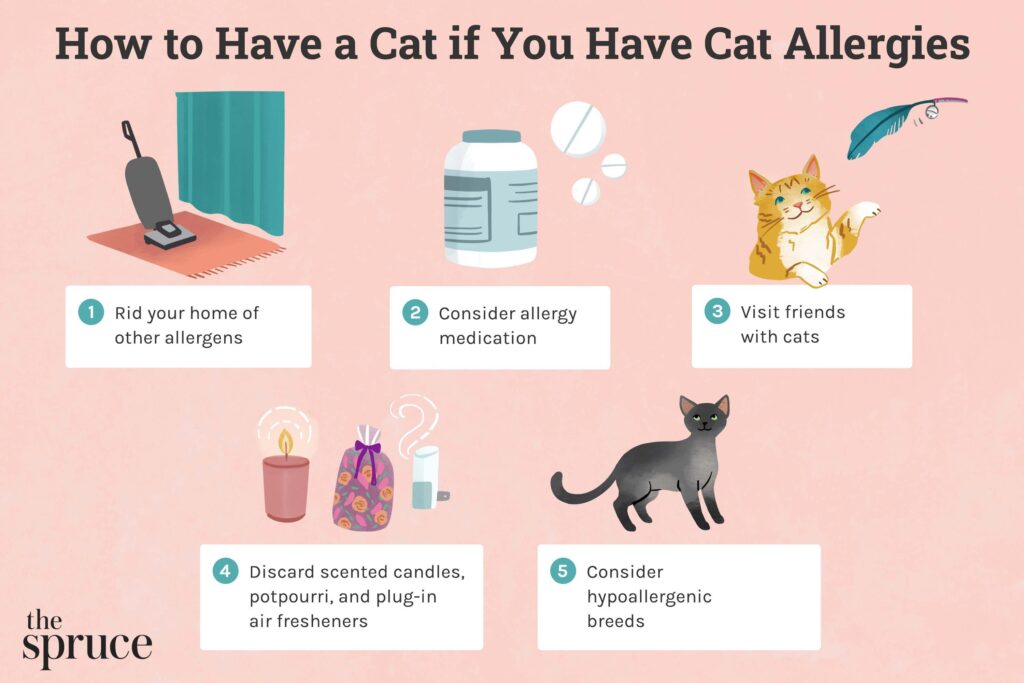
While it’s not possible to completely eliminate cat allergy, there are steps you can take to manage your symptoms:
- Avoid exposure: If you’re allergic to cats, it may be best to avoid having one as a pet or limiting your exposure to them.
- Keep your home clean: Regularly vacuum and dust surfaces, especially areas where your cat spends most of its time. Use HEPA filters to remove allergens from the air.
- Wash your hands: After handling your cat or its bedding, wash your hands thoroughly with soap and water.
- Use allergy-friendly products: Consider using products specifically designed for people with allergies, such as shampoos and cleaning solutions.
Treating Cat Allergy
If you’re experiencing severe symptoms, consult a healthcare professional or allergist for proper diagnosis and treatment. Treatment options may include:
- Antihistamines: Over-the-counter medications like diphenhydramine (Benadryl) can help alleviate symptoms.
- Steroids: Prescription corticosteroids like fluticasone (Flonase) can reduce inflammation and congestion.
- Immunotherapy: Allergy shots or sublingual immunotherapy may be recommended for severe cases.
Conclusion
Cat allergy is a common condition that affects many people, but it’s not just about the physical symptoms – it’s also about understanding what causes them and how to manage them. By taking steps to reduce exposure, using allergy-friendly products, and treating your symptoms with the right medications, you can learn to live with cat allergy.
Frequently Asked Questions
Q: Can I still have a cat if I’m allergic?
A: While it’s possible to tolerate small amounts of cat dander or allergen exposure, frequent and prolonged contact can trigger severe reactions. Consult your healthcare professional before bringing a cat into your home.
Q: How can I reduce my allergy symptoms?
A: Try the steps outlined above to minimize your exposure to cat allergens and use allergy-friendly products to alleviate symptoms.
Q: Are there any natural remedies for cat allergy?
A: Some people claim that certain herbs, like nettle leaf or quercetin, can help alleviate symptoms. However, consult your healthcare professional before using any alternative treatments.
Q: Can I get a test for cat allergy?
A: Yes, a skin prick test or blood test can be performed to determine if you have an allergy to cats.
Q: How long does it take to develop a cat allergy?
A: Some people may develop symptoms within hours of exposure, while others may not experience reactions until after repeated exposure over time.
Q: Can I still enjoy cats if I’m allergic?
A: Yes, many people with cat allergies can still appreciate and care for cats without severe reactions. Consult your healthcare professional to discuss the best approach for your situation.
Common Myths About Cat Allergy
There are several common myths about cat allergy that you should be aware of:
- Myth: “You just need to get used to being around cats.” Reality: Exposure to cat allergens can trigger severe reactions, even in people who have been exposed to them for years.
- Myth: “Wearing a mask will prevent me from getting an allergic reaction.” Reality: While masks may help reduce exposure to cat allergens, they are not foolproof and should not be relied upon as the sole means of protection.
- Myth: “Some cats are hypoallergenic.” Reality: While some breeds of cat may produce fewer allergens than others, no cat is completely hypoallergenic.
Conclusion
Cat allergy is a common condition that affects many people, but it’s not just about the physical symptoms – it’s also about understanding what causes them and how to manage them. By taking steps to reduce exposure, using allergy-friendly products, and treating your symptoms with the right medications, you can learn to live with cat allergy.
Frequently Asked Questions
Q: What are some common allergens found in cat urine?
A: Common allergens found in cat urine include uric acid crystals and protein fragments that are released during urination.
Q: What is the best way to clean cat urine from carpets?
A: Blot the affected area with paper towels or a cleaning cloth, then mix 1 part white vinegar with 2 parts water. Apply the solution to the stain, let it sit for 10 minutes, and then rinse thoroughly with cold water.
Q: How often should I wash my cat’s bedding?
A: It’s recommended to wash your cat’s bedding at least once a week, or more frequently if you notice any signs of shedding or allergens.
Q: Can I use laundry detergent specifically designed for people with allergies on my cat’s bedding?
A: Yes, using laundry detergent specifically designed for people with allergies can help reduce the amount of allergens present in your cat’s bedding. However, always follow the manufacturer’s instructions and take any necessary precautions to avoid exposure.
Q: What are some signs that I may have a cat allergy?
A: Common signs that you may have a cat allergy include sneezing, congestion, runny nose, itchy eyes, and skin rashes.
Q: How can I test my allergies to cats?
A: A skin prick test or blood test can be performed by a healthcare professional to determine if you have an allergy to cats.


