
Introduction
When it comes to exploring the world of edible wild herbs, many people are familiar with popular options like dandelion greens or wild garlic. However, one lesser-known yet incredibly versatile ingredient is the casselle, also known as cascellore (Bunias erucago). Native to Italy and other Mediterranean regions, this annual plant has been a staple in local cuisine for centuries, but its popularity has waned over time.
In this article, we’ll delve into the world of casselles, exploring their history, nutritional benefits, and most importantly, how to use them in cooking. Whether you’re a seasoned chef or a curious food enthusiast, get ready to discover the untapped potential of this Mediterranean delight.
The Origins of Casselle
The name “Bunias” originates from the Greek word for “hill,” which refers to the plant’s tendency to grow in hilly terrain. This is no coincidence, as casselles thrive in areas with well-drained soil and a moderate climate. One of their strongest claims to fame comes from the Roman provinces, particularly Rome, where they’ve been prized for centuries.
Casselles have been mentioned in ancient texts such as Theophrastus’ “Enquiry into Plants” and Pliny the Elder’s “Naturalis Historia”. These writings not only highlight the plant’s culinary value but also its medicinal properties. In traditional medicine, casselles were used to treat various ailments, including fever, rheumatism, and even snake bites.
What Are Casselles?
Casselles (Bunias erucago) are an annual or biennial plant characterized by its rosette shape and tender leaves that curl downward, forming a spherical structure. The plant’s unique appearance belies its impressive nutritional profile, with high levels of vitamins A, C, and K, as well as minerals like calcium and iron.
Casselles have a slightly bitter taste when raw, but this bitterness disappears upon cooking. They can be used in various forms, including fresh leaves, roasted roots, or even pickled. Their versatility in cooking has made them an essential ingredient in many traditional Mediterranean dishes.
How to Identify Casselles
Identifying casselles can be straightforward once you know what to look for:
- Leaves: Fresh leaves have a soft, delicate texture and are typically green or slightly blue-green in color. They grow from the plant’s rosette shape and are attached to a short stem.
- Flowers: Casselle flowers are small and yellow, with four petals that resemble tiny stars. They bloom on long stalks above the foliage.
- Growing Habit: Casselles prefer well-drained soil and full sun to partial shade. They’re often found growing in fields, meadows, or along roadsides.
When foraging for casselles, make sure to identify them correctly to avoid any confusion with other plants. Some lookalike species may have similar appearances, so it’s essential to consult a trusted field guide or an expert if you’re unsure.
Casselles in Cooking
While casselles may be lesser-known outside of Italy, they’ve been a staple ingredient in Mediterranean cuisine for centuries. Here are some ways to incorporate them into your cooking:
- Leafy Greens: Young leaves can be used raw in salads, while older leaves make an excellent addition to soups and stews.
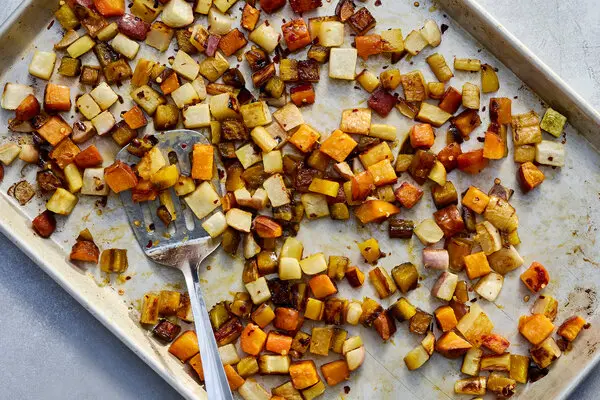
- Radishes: Casselle roots have a sweet, earthy flavor when boiled or roasted. They’re great as a side dish or added to salads.
- Roots and Leaves: Both the roots and leaves can be used in soups, stews, and sauces.
Casselles pair well with a variety of ingredients, including olive oil, garlic, lemon juice, and herbs like thyme and rosemary. Experimenting with different combinations will help you find your favorite ways to use casselles in cooking.
Casselles Recipes
Here are some delicious recipes that showcase casselles’ versatility:
- Insalata di Farro con Cascellore: A hearty salad featuring farro, roasted casselle roots, cherry tomatoes, Parmesan cheese, and a drizzle of olive oil.
- Minestra di Casselle: A comforting minestrone made with casselle roots, vegetables, and cannellini beans.
These recipes are perfect for introducing casselles to your cooking repertoire. Feel free to experiment and come up with your own creations!
Casselles Nutrition
Casselles are a nutrient-rich food that offers numerous health benefits. Here’s a breakdown of their nutritional profile:
- Vitamins: Casselles are rich in vitamins A, C, and K, which are essential for maintaining healthy vision, immune function, and bone health.
- Minerals: The plant is also a good source of minerals like calcium, iron, and potassium, which support bone health, blood pressure regulation, and muscle function.
- Antioxidants: Casselles contain antioxidants that help protect the body from oxidative stress and inflammation.
Incorporating casselles into your diet can have a significant impact on your overall health and wellbeing. Whether you’re looking to boost your energy levels or support immune function, casselles are an excellent addition to a balanced diet.
Casselles in Traditional Medicine
For centuries, casselles have been used in traditional medicine for various ailments. Here are some examples of their medicinal uses:
- Fever: Casselle roots were traditionally used to treat fever, with the root being boiled and then mixed with water to create a tea.
- Rheumatism: The plant’s leaves and roots were applied topically to relieve rheumatic pain and inflammation.
- Snake Bites: In some regions, casselles were believed to have anti-venom properties, making them an effective treatment for snake bites.
While these traditional uses are fascinating, it’s essential to note that casselles should not be used as a replacement for modern medical treatments. Always consult with a healthcare professional before using any herbal remedies.
Conclusion
Casselles (Bunias erucago) are an incredible ingredient waiting to be rediscovered in your kitchen. With their rich history, impressive nutritional profile, and versatility in cooking, it’s time to give these Mediterranean delights the recognition they deserve.
Whether you’re a seasoned chef or just starting your culinary journey, we encourage you to explore the world of casselles and discover the untapped potential of this forgotten herb.


