
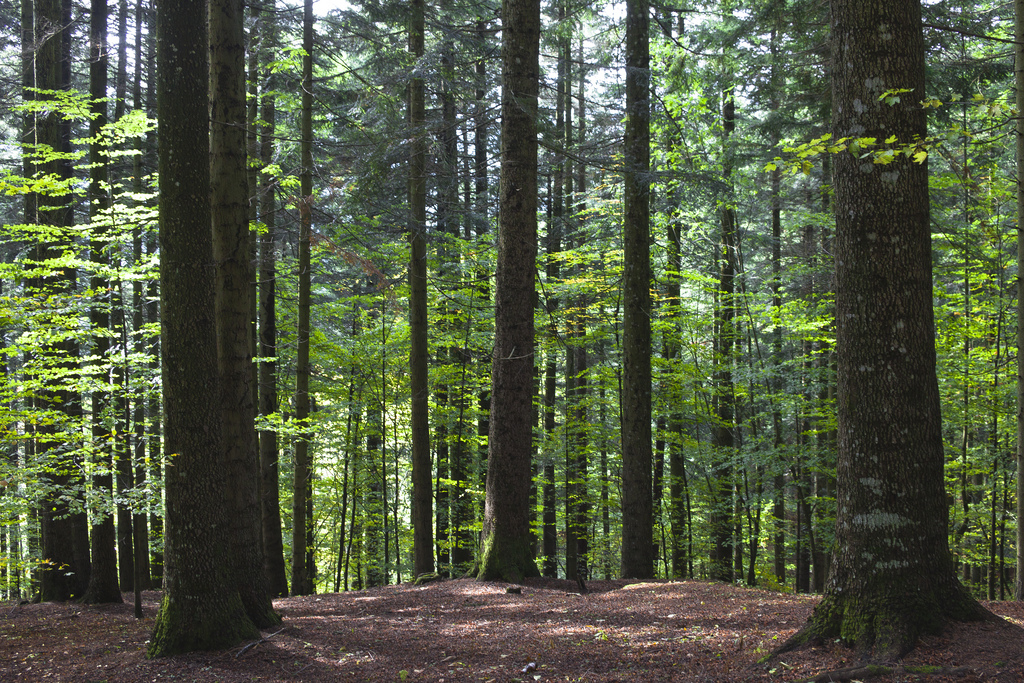
Tucked away in the rolling hills of Italy, the Parco Nazionale Foreste Casentinesi is a nature reserve waiting to be discovered. Spanning approximately 37,000 hectares, with about 80% consisting of forests, this park is unique and offers an unforgettable experience for visitors since 1993, under the management of the Ente Parco Nazionale delle Foreste Casentinesi, Monte Falterona e Campigna.
Where to Find Parco Nazionale Foreste Casentinesi
Located roughly fifty kilometers from Florence, the park’s terrain is divided almost evenly between Emilia Romagna and Tuscany. Closest cities include Arezzo (48 km) and Siena (100 km), while also being nearby Rimini (96 km) and Forlì (46 km). Three provinces are affected by this protected area: Forlì, Arezzo, and Firenze.
Divided into Four Zones
The park is divided into four zones with distinct levels of protection. The most protected zone is A, a ‘reserve integrale’ covering almost 1,000 hectares that includes the Natural Reserves Integral of Sassofratino, della Pietra, and Monte Falco. The B area follows a more balanced approach to nature conservation by allowing human interaction through visits to landmarks like the Verna complex and biogenetic reserves such as Camaldoli, Scodella, Campigna, and Badia Prataglia.
The C zone is dedicated to areas of natural interest with an aim to maintain balance between human presence and natural systems. The D area includes urban centers and small towns often rich in history and/or tourism value.
Hiking and Trekking in Parco Nazionale Foreste Casentinesi
Collaborating with the Italian Alpine Club, the park offers over 600 km of trails where one cannot go wrong. Twenty different itineraries, nine nature trails for educational interpretation, and two accessible routes for visitors who are blind or have difficulty walking are all available.
Guided tours led by an Environmental Expedition Guide can ensure that you notice every detail of the natural beauty around you, even if you don’t know where to start looking. Companies like Romagna Trekking cater to both families and experts with unique trekking options such as birdwatching excursions.
Discovering Nighttime Treks and Unique Accommodations
If calling yourself Trekkabbestia doesn’t seem intimidating, there are plenty of nighttime treks available that offer an unforgettable experience. For those less adventurous, why not explore the possibility of camping in a self-managed campsite? Or perhaps visit local guides who can provide you with detailed information about photography and animal spotting?
Other unique experiences include visiting centers offering guided excursions focused on geology, fauna, or archaeology.
Planning Your Visit
For more structured outings, you could also explore visits to the Centre Ippico ‘Il Bosco di Rincine’, a bus that takes you through Forest of Ridracoli and numerous designated parking areas with bike rentals available. Even a river boat ride at Diga di Ridracoli is an option.
Interactive Map of Parco Nazionale Foreste Casentinesi
For those preferring to self-guided or wanting a more aware visit, there’s an interactive map allowing you to explore some trails and water courses before your trip. You might even discover nearby rivers like the Arno in Tuscany, which have tributaries including Tramazzo, Montone, Rabbi, Bidente, Corniolo, Ridracoli, and Pietrapazza.
The Park’s Flora and Fauna
What truly sets Parco Nazionale Foreste Casentinesi apart is its rich flora and fauna. With 37 species and sub-species of ferns and licopods on the territory and over 44 orchid species, visitors to this park are greeted by an array of natural beauty.
While not exhaustive, some highlights in the park include the botanic garden of Valbonella that replicates environments found throughout Italy’s Apennine region. The park is also home to the museum and arboretum Carlo Siemoni at Badia Prataglia, showcasing both indigenous and exotic plants.
Fauna Worthy of Note
In terms of fauna, Parco Nazionale Foreste Casentinesi boasts a wide variety of species, including the wolf of the northern Apennine and the wildcat. Visitors can expect to spot leopards, hares, badgers, squirrels, marmots, and rabbits among others.
The park is also home to mustelids like tawny owls, weasels, and badgers. For birdwatchers, over 139 species are present in the park, including 77 nesting birds such as the Alpine swift and the woodlark. Visitors can expect to see piccoths like the black woodpecker and other species of birds.
Conservation Efforts
The park’s conservation efforts aim to maintain a balance between human presence and natural systems. The park is home to several protected areas, including the Sassofratino Nature Reserve, which provides habitat for endangered species such as the European otter.
The park also collaborates with local communities to promote sustainable tourism practices and protect the environment. Visitors can contribute to these efforts by supporting eco-friendly accommodations and participating in guided tours that promote responsible wildlife viewing.
Local Cuisine
During your visit to Parco Nazionale Foreste Casentinesi, be sure to try some of the local cuisine, which is heavily influenced by the region’s agricultural traditions. Traditional dishes like pasta e fagioli (pasta and beans) and tagliatelle al ragù di carne (tagliatelle with beef ragù) are popular choices among visitors.
Don’t forget to sample some of the local wines, such as Chianti Classico and Vernaccia, which pair perfectly with the park’s natural beauty. Be sure to also try some of the local specialties, like prosciutto di Parma (Parma ham) and Parmigiano-Reggiano cheese.
History and Culture
The park has a rich history dating back to prehistoric times, with evidence of human presence found in the area. The park is also home to several archaeological sites, including the ancient city of Monte Falterona, which features ruins from the Etruscan civilization.
Visitors can explore the park’s cultural heritage by visiting one of the local museums or attending a traditional festival or event. The park also collaborates with local communities to promote cultural exchange programs and support artisans who preserve traditional crafts.
Accessibility
Parco Nazionale Foreste Casentinesi is committed to providing equal access for all visitors, regardless of age or ability. The park offers accessible routes and facilities, including wheelchair-accessible trails and restrooms.
Visitors can also rent bicycles or take a guided tour that caters to people with disabilities. Additionally, the park provides information on accessible activities and services upon request.
Accommodations
Parco Nazionale Foreste Casentinesi offers a range of accommodations for visitors, from budget-friendly camping options to luxury hotels and vacation rentals.
Visitors can choose from various types of lodgings, including self-catering apartments, family-run inns, and eco-lodges that cater to environmentally conscious travelers. The park also collaborates with local tourism operators to offer exclusive packages and promotions.
Getting There
Parco Nazionale Foreste Casentinesi is easily accessible by car or public transportation. Visitors can take a train or bus from nearby cities like Florence, Siena, or Rimini.
The park’s location in the rolling hills of Italy makes it an ideal destination for those looking to escape the hustle and bustle of city life. With its stunning natural beauty, rich history, and cultural heritage, Parco Nazionale Foreste Casentinesi is a must-visit destination for any nature lover or culture enthusiast.
Conclusion: A Hidden Gem
With its beautiful landscapes, fascinating wildlife, and varied recreational activities, Parco Nazionale Foreste Casentinesi is a nature reserve that offers a unique experience for visitors. Its blend of natural reserves and human presence creates an environment where both conservation and exploration can coexist.
Whether you’re looking to hike, camp, or simply take in the sights, this park has something for everyone. Don’t miss out on the opportunity to discover its flora, fauna, and hidden gems. Visit today!
Tips and Recommendations
- Be sure to bring comfortable hiking shoes and plenty of water when exploring the park’s trails.
- Consider visiting during the spring or fall season for optimal weather conditions.
- Take a guided tour with an Environmental Expedition Guide to maximize your experience.
- Don’t miss out on the local cuisine, which is heavily influenced by the region’s agricultural traditions.
- Be sure to respect the park’s conservation efforts and wildlife viewing regulations.
Appendix
- Map of Parco Nazionale Foreste Casentinesi
- List of accommodations and activities
- Information on accessibility and accommodations for visitors with disabilities
- Contact information for local tourism operators and conservation organizations


