
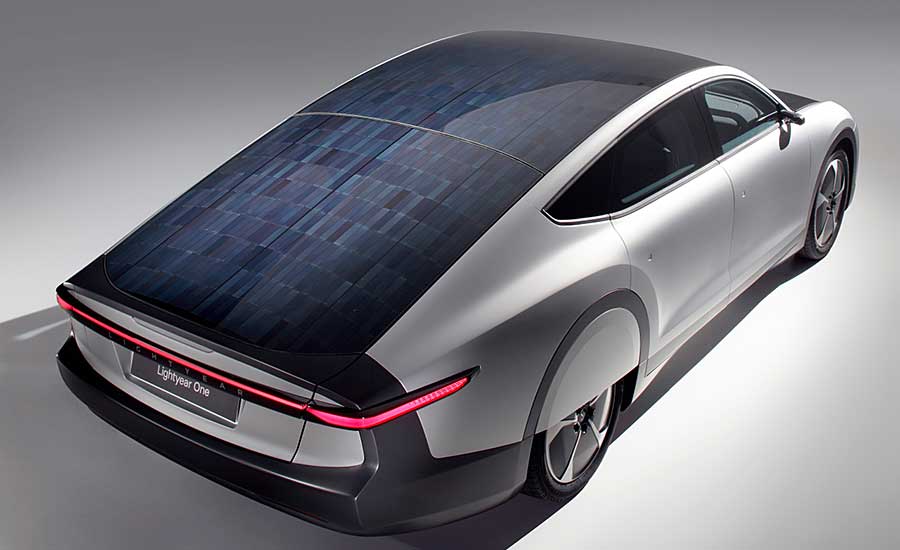
As the world shifts towards a more sustainable future, one innovative solution is gaining traction: using electric cars as batteries to store excess energy from your solar panels. This concept may seem like science fiction, but it’s already being put into practice by forward-thinking individuals and companies alike.
The Benefits of Electric Cars as Batteries
Electric cars are not only a cleaner form of transportation, but they also offer an exciting solution for home energy storage. By harnessing the power of your solar panels during the day, you can store excess energy in your car’s battery and use it at night or during periods of high electricity demand.
Imagine being able to generate your own clean energy, reduce your reliance on the grid, and lower your utility bills all at the same time. It’s a win-win situation that has the potential to transform the way we think about home energy storage.
What Makes an Electric Car Suitable for Energy Storage?
Not all electric cars are created equal when it comes to energy storage. However, some models have emerged as top contenders for this purpose. For instance, the Toyota Prius offers a respectable 1.5 kW of power storage capacity for three hours.
In recent years, researchers at the University of Delaware have successfully modified a fleet of electric cars with bidirectional charging and discharging capabilities. This breakthrough allowed them to generate up to $5 per day in savings by using their cars as energy storage devices, coupled with solar panels.
Meet the Seat Leon Verde: A Plug-in Hybrid with Energy Storage Capabilities
The Seat Leon Verde is an exciting new model that boasts impressive energy storage capabilities. With a built-in battery of 8.8 kWh and advanced software management, this plug-in hybrid can optimize energy use during periods of low electricity demand. But that’s not all – the Seat Leon Verde also comes equipped with a high-powered 20 kW battery that allows for bidirectional charging and discharging.
This means you can use your car as a generator to feed excess energy back into your home, ensuring a stable power supply even during blackouts or periods of low electricity production.
How Does it Work?
So, how do electric cars become batteries for your solar system? The process is relatively straightforward:
- Install a bidirectional charging and discharging system in your car.
- Connect your solar panels to the electrical grid and monitor energy production.
- Store excess energy generated by your solar panels in your car’s battery during the day.
- Use the stored energy at night or during periods of high electricity demand.
The Future of Home Energy Storage
As technology continues to advance, we can expect to see even more efficient and cost-effective solutions for home energy storage emerge. With the rise of electric vehicles and solar panels, it’s clear that the future of home energy storage is bright indeed.
Some potential breakthroughs on the horizon include:
- Advanced battery technologies that increase energy storage capacity and reduce charging times
- Increased adoption of smart grids and energy management systems to optimize energy use and distribution
- Development of new energy storage products, such as solid-state batteries and hydrogen fuel cells
Conclusion
Using electric cars as batteries for your solar system offers an exciting opportunity for homeowners to take control of their energy usage and reduce their reliance on the grid. By harnessing the power of clean energy sources like solar panels and electric vehicles, we can create a more sustainable future – one that’s powered by innovation, efficiency, and a passion for the planet.
FAQs
- Q: Can any electric car be used as a battery for my solar system?
A: While some electric cars are better suited for energy storage than others, it ultimately depends on the specific model and its charging capabilities. - Q: How much energy can an electric car store?
A: The amount of energy that can be stored in an electric car varies depending on the model and its battery capacity, but most can store between 5-20 kWh of power. - Q: Is it possible to use an electric car as a generator to feed my home’s electrical system?
A: Yes, some electric cars are designed with bidirectional charging and discharging capabilities, allowing them to function as generators and feed energy back into your home. - Q: How much does it cost to install a solar panel system with an electric car battery?
A: The cost of installing a solar panel system with an electric car battery varies depending on the specific equipment and installation costs in your area, but can range from $10,000 to $30,000 or more. - Q: Can I use my electric car as a backup power source during blackouts?
A: Yes, many electric cars are designed with backup power capabilities, allowing you to use them as an alternative source of energy during outages.
Benefits of Using Electric Cars for Energy Storage
Using electric cars for energy storage offers numerous benefits, including:
- Reduced reliance on the grid and lower utility bills
- Increased energy independence and self-sufficiency
- Improved air quality and reduced greenhouse gas emissions
- Enhanced home security and peace of mind during outages
- Potential for revenue generation through selling excess energy back to the grid
Challenges and Limitations
While using electric cars as batteries for solar systems offers many benefits, there are also some challenges and limitations to consider. These include:
- Limited availability of suitable electric cars with high enough battery capacities
- Higher upfront costs compared to traditional energy storage solutions
- Potential impact on car ownership and driving habits
- Regulatory and infrastructure challenges in implementing bidirectional charging and discharging systems
Conclusion
Using electric cars as batteries for solar systems is an innovative solution that has the potential to revolutionize home energy storage. While there are some challenges and limitations to consider, the benefits of reduced reliance on the grid, lower utility bills, and improved air quality make it a compelling option for forward-thinking homeowners.
As technology continues to advance and costs decrease, we can expect to see more widespread adoption of electric cars as batteries for solar systems. Whether you’re looking to reduce your energy bills or simply want to be part of the sustainable future, using an electric car as a battery is an exciting opportunity that’s worth exploring.


