
Introduction
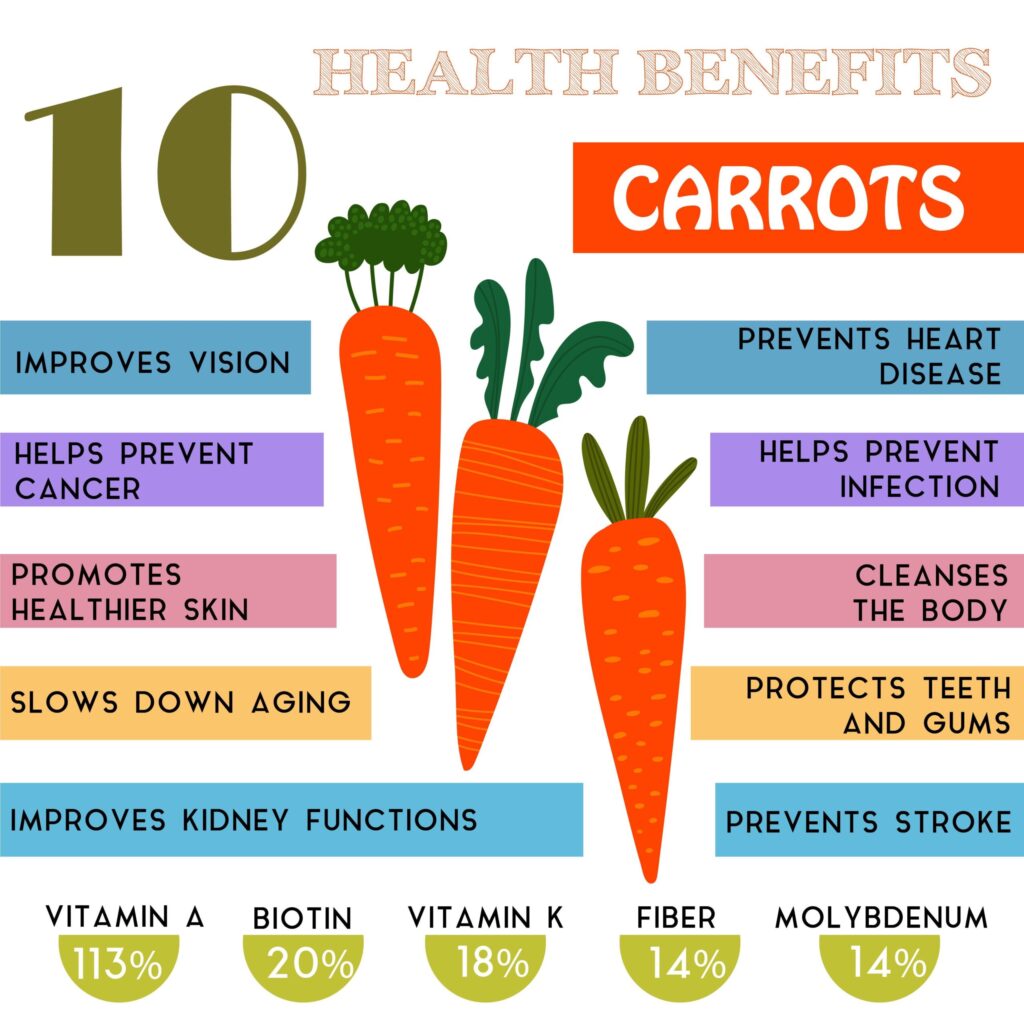
When it comes to healthy eating, few vegetables stand out as much as the humble carrot. Packed with vitamins, minerals, and antioxidants, carrots have been touted for their numerous health benefits for centuries. But how do these benefits come about? What makes carrots so special, and how can we harness their power to improve our overall well-being?
The Nutritional Powerhouse of Carrots
Carrots are a rich source of essential nutrients that support optimal health. They are low in calories yet high in fiber, making them an excellent choice for those looking to manage their weight or alleviate digestive issues. But what’s even more impressive is the range of vitamins and minerals present in carrots:
- Carotenoids: Alpha-carotene, beta-carotene, and lutein
- Vitamin C: Boosts immune system and antioxidant defenses
- Vitamin D: Crucial for bone health and immune function
- Vitamin E: Antioxidant properties help protect against cell damage
- B Vitamins (B2, B6): Essential for energy metabolism and nerve function
Unlocking Carrots’ Therapeutic Potential
But carrots’ benefits extend far beyond their nutritional profile. Research suggests that consuming carrots may:
- Enhance Digestion: Stimulate the production of stomach acid and juices, helping to break down food more efficiently.
- Support Stomach Health: Reinforce the walls of the stomach, protecting against damage from harmful bacteria.
- Promote Wound Healing: Contribute to the regeneration of liver cells, supporting overall organ health.
The Carrot Connection: Vitamins and Vision
Carrots’ most famous association is with vitamin A, a crucial nutrient for eye health. Research has shown that regular consumption of carrots can:
- Improve Vision: Counteract age-related macular degeneration and enhance visual acuity.
- Support Immune Function: Maintain the integrity of epithelial cells, protecting against infections.
Choosing the Perfect Carrot
Not all carrots are created equal! To reap the most benefits from this incredible vegetable:
- Opt for straight, unblemished roots
- Store them in a breathable container or plastic bag
- Consume within 5-7 days of purchase
Cooking with Carrots: Unlocking Their Potential
When it comes to preparing carrots, the key is to preserve their natural nutrients. Avoid overcooking, as this can lead to:
- Loss of water-soluble vitamins
- Reduced bioavailability of carotenoids
Instead, try cooking carrots using methods like steaming or sautéing with a small amount of oil.
The Carrot Connection: A Brief History
Carrots have been cultivated for over 1,000 years, originating in Central Asia. They were introduced to Europe by the Romans and quickly became a staple crop in many Mediterranean countries.
Culinary Uses of Carrots
Carrots are incredibly versatile and can be used in a wide range of dishes, from savory stews to sweet desserts:
- Raw carrot sticks: Enjoy as a crunchy snack or add to salads for a burst of flavor.
- Roasted carrots: Bring out their natural sweetness by roasting them with olive oil, salt, and pepper.
- Carrot juice: Juice raw carrots for a refreshing and healthy beverage.
Nutritional Benefits of Carrots
The nutritional benefits of carrots are numerous:
- Rich in fiber: Supports digestive health and satiety.
- Antioxidant-rich: Protects against cell damage and chronic diseases.
- Supports bone health: Contributes to calcium absorption and bone density.
Debunking Common Carrot Myths
- Myth: Carrots are high in sugar
- Reality: While carrots do contain some natural sugars, they are still a relatively low-calorie vegetable.
- Myth: Carrots can cause digestive issues
- Reality: Cooked or raw carrots are gentle on the digestive system and may even alleviate symptoms of irritable bowel syndrome (IBS).
Carrot Varieties
Did you know there are over 400 varieties of carrots worldwide? Some popular ones include:
- Nelson: A sweet, crunchy variety with a vibrant orange color.
- Danver: An heirloom variety prized for its rich flavor and tender texture.
Growing Your Own Carrots
Want to try your hand at growing your own carrots? Here are some tips:
- Choose a well-draining soil with full sun
- Sow seeds thinly, about ¼ inch deep, in rows 1-2 inches apart
- Water regularly and keep the soil consistently moist
Conclusion
In conclusion, carrots are an incredibly nutritious root vegetable that offers numerous health benefits when consumed as part of a balanced diet. By understanding their nutritional profile, therapeutic potential, and preparation methods, we can unlock their full potential and reap the rewards of this incredible superfood.
FAQs
Q: How often should I eat carrots to reap their benefits?
A: Aim for 1-2 servings per day, depending on your individual needs.
Q: Can I grow my own carrots at home?
A: Absolutely! Carrots are relatively easy to cultivate and can be grown in a variety of conditions.
Q: Are carrots suitable for people with sensitive stomachs?
A: Yes! Carrots are gentle on the digestive system and may help alleviate symptoms of irritable bowel syndrome (IBS).
Q: Can I consume carrots raw or cooked?
A: Both! Raw carrots contain more vitamins, while cooked carrots retain their carotenoids better.
Q: Are there any potential side effects to consuming excessive amounts of carrots?
A: Yes! High consumption of betacarotene can lead to skin discoloration.


