
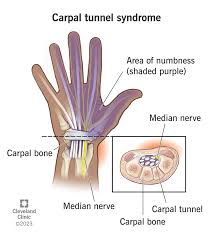
What is Carpal Tunnel Syndrome?
Carpal tunnel syndrome (CTS) is a common condition that affects the nerves in your wrist and hand. It occurs when the median nerve, which runs from your forearm into your hand through a small space in your wrist called the carpal tunnel, becomes compressed or pinched.
Causes of Carpal Tunnel Syndrome
CTS is often caused by repetitive movements of the wrist, such as those experienced by people who:
- Work on computers for long periods
- Play sports that involve heavy lifting or throwing
- Use vibrating tools or equipment
- Have a job that requires frequent bending or twisting
These movements can cause inflammation and swelling in the carpal tunnel, leading to compression of the median nerve.
Symptoms of Carpal Tunnel Syndrome
The symptoms of CTS can vary from person to person, but common ones include:
- Numbness or tingling in the thumb, index finger, middle finger, and half of the ring finger
- Weakness or pain in the hand and wrist
- Difficulty gripping objects or performing fine motor tasks
- Numbness or burning sensation in the arm or hand
What is the Tunnel Carpal?
The carpal tunnel is a narrow passageway in your wrist that contains the median nerve, tendons, and blood vessels. It’s like a tiny tube that allows these structures to move freely.
Imagine a small tube with a diameter of about 1 inch (2.5 cm). Inside this tube, there are tendons that control finger movement and the median nerve that transmits sensations from your hand and fingers.
How Does the Tunnel Carpal Get Compressed?
When the carpal tunnel gets compressed, it can cause pressure on the median nerve, leading to numbness, tingling, and weakness in the affected areas. This compression can occur due to various reasons, such as:
- Swelling or inflammation in the carpal tunnel
- Bone spurs or growths that rub against the median nerve
- Fluid buildup in the wrist
Other Causes of Carpal Tunnel Syndrome
While repetitive movements are a common cause of CTS, other factors can contribute to its development, including:
- Diabetes and obesity (increased risk of nerve damage)
- Arthritis and rheumatoid arthritis (inflammation and joint damage)
- Certain medical conditions, such as thyroid disorders or vitamin deficiencies
Risk Factors for Carpal Tunnel Syndrome
Certain individuals are more likely to develop CTS due to their lifestyle, occupation, or genetic predisposition. These risk factors include:
- Women: Due to the narrower carpal tunnel in women
- Older adults: As age-related wear and tear can lead to nerve compression
- People with certain medical conditions: Such as diabetes, obesity, or thyroid disorders
Diagnosing Carpal Tunnel Syndrome
If you suspect you have CTS, it’s essential to consult a healthcare professional for proper diagnosis. Your doctor may perform the following tests:
- Radiography: X-rays to rule out other conditions, such as fractures or arthritis
- Electromyogram (EMG): Measures electrical activity in your muscles to detect nerve damage
- Nerve conduction studies: Tests the speed and strength of electrical signals in your nerves
Treating Carpal Tunnel Syndrome
Treatment for CTS usually involves a combination of lifestyle changes, medications, and, if necessary, surgery. Your healthcare provider may recommend:
- Wrist splints or braces to reduce pressure on the median nerve
- Medications, such as anti-inflammatory pain relievers or muscle relaxants
- Physical therapy to improve hand function and strength
In severe cases, surgery may be necessary to release the compressed nerve.
Lifestyle Changes for Carpal Tunnel Syndrome
Making lifestyle changes can help prevent or manage CTS. These include:
- Taking regular breaks when working on computers
- Stretching and exercising regularly
- Maintaining a healthy weight
- Avoiding repetitive movements that aggravate symptoms
Preventing Carpal Tunnel Syndrome
To reduce your risk of developing CTS, follow these preventive measures:
- Take regular breaks when using vibrating tools or equipment
- Adjust the height and position of your computer monitor to avoid strain on your wrists
- Wear gloves when performing tasks that involve heavy lifting or bending
- Engage in exercises that strengthen your hands and wrists
Surgical Treatment for Carpal Tunnel Syndrome
In severe cases, surgery may be necessary to release the compressed nerve. This is usually performed under local anesthesia and involves:
- A small incision to access the carpal tunnel
- Release of the compressed median nerve
- Removal of any bone spurs or growths that are causing compression
Recovery from Carpal Tunnel Syndrome Surgery
Recovery from surgery typically takes several weeks to months. During this time, it’s essential to follow your doctor’s instructions for:
- Rest and rehabilitation
- Physical therapy to improve hand function and strength
- Wrist exercises to maintain flexibility and range of motion
Conclusion
Carpal tunnel syndrome is a common condition that affects millions of people worldwide. By understanding its causes, symptoms, diagnosis, and treatment options, you can take steps to prevent or manage this condition.
If you’re experiencing numbness, tingling, or weakness in your hand or wrist, don’t hesitate to consult a healthcare professional for proper evaluation and treatment.
Frequently Asked Questions (FAQs)
- What is the most common cause of carpal tunnel syndrome?
Repetitive movements, such as those experienced by people who work on computers or engage in sports that involve heavy lifting or throwing.
- Can I prevent carpal tunnel syndrome?
Yes, you can take steps to reduce your risk of developing CTS, such as taking regular breaks when working on computers, stretching and exercising regularly, and maintaining a healthy weight.
- What are the symptoms of carpal tunnel syndrome?
Numbness or tingling in the thumb, index finger, middle finger, and half of the ring finger; weakness or pain in the hand and wrist.
- How is carpal tunnel syndrome diagnosed?
Your healthcare provider will perform a physical examination, take a medical history, and may order imaging tests, such as X-rays or EMG, to confirm the diagnosis.
- What are the treatment options for carpal tunnel syndrome?
Lifestyle changes, medications, and, if necessary, surgery can help manage CTS.
- Can carpal tunnel syndrome be cured?
While symptoms may resolve with treatment, some people may experience recurring episodes of CTS. Regular monitoring and maintenance of healthy lifestyle habits can help prevent future episodes.
- Is carpal tunnel syndrome related to diabetes or other medical conditions?
Yes, certain medical conditions, such as diabetes and obesity, increase the risk of developing CTS.
- Can I use wrist splints to treat carpal tunnel syndrome?
Yes, wrist splints or braces can help reduce pressure on the median nerve and alleviate symptoms.


