
In recent years, carotenoids have gained significant attention for their potential health benefits. Often associated with sunburns, these powerful pigments are more than just a pretty face. Packed with vitamins, minerals, and antioxidants, carotenoids can help protect our skin from damage, promote overall well-being, and even contribute to anti-aging processes.
In this article, we’ll delve into the world of carotenoids, exploring their properties, sources, benefits, and how they can be incorporated into our daily lives. Whether you’re looking to boost your beauty routine or simply want to invest in a healthy lifestyle, understanding the power of carotenoids is essential.
What are Carotenoids?
Carotenoids are a class of yellow, orange, and red pigments found naturally in plants. These lipid-based molecules help capture light that’s not absorbed by chlorophyll, excess sunlight, or other pigments, serving as photoprotective agents to protect the plant from damage.
In humans, carotenoids have been linked to various health benefits, including:
- Antioxidant properties: Carotenoids can neutralize free radicals, which are unstable molecules that can cause oxidative stress and contribute to chronic diseases.
- Anti-inflammatory effects: Some carotenoids have anti-inflammatory properties, which may help reduce inflammation and alleviate conditions such as arthritis.
- Immune system support: Carotenoids like beta-carotene and lycopene may boost the immune system, reducing the risk of infections and autoimmune disorders.
Where Can We Find Carotenoids?
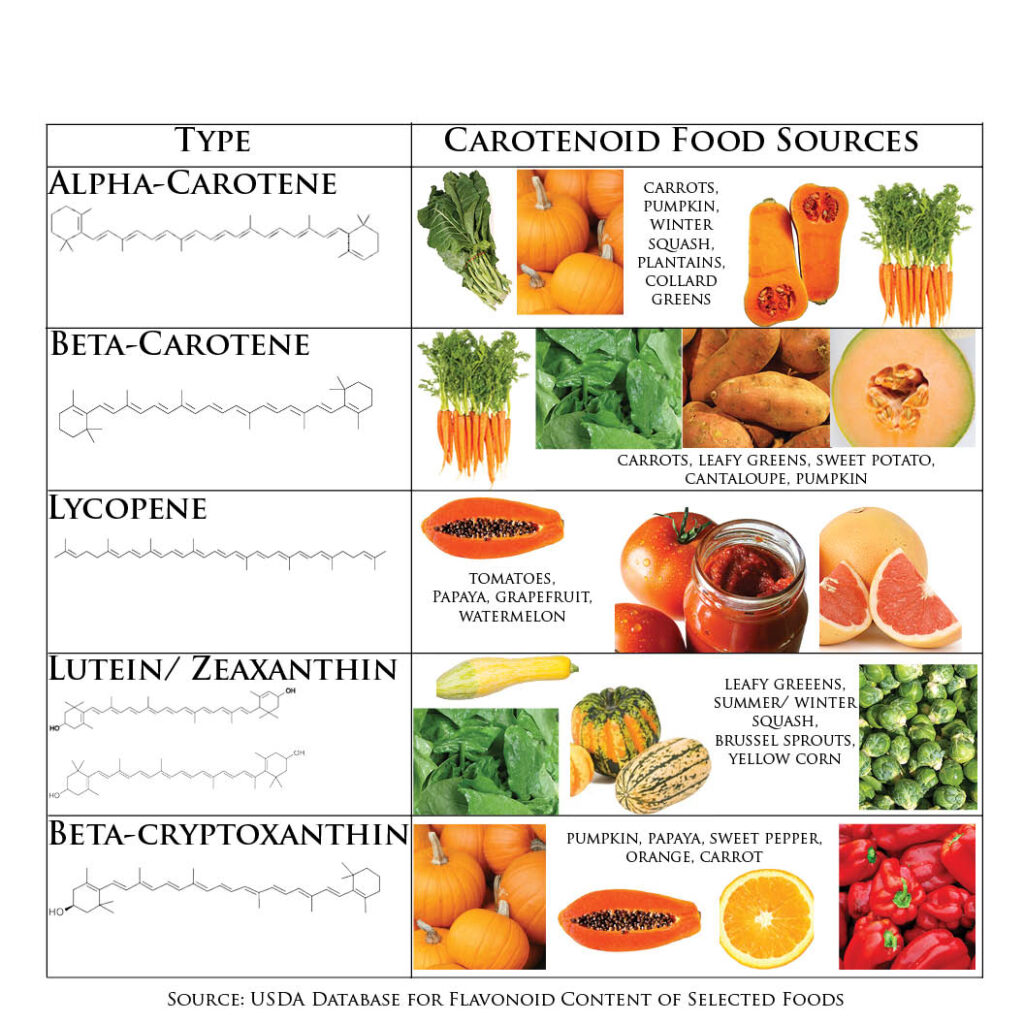
Fortunately, carotenoids are abundant in nature, and they can be found in a variety of foods. Some of the richest sources include:
- Fruits: Berries (especially blueberries, raspberries, and strawberries), citrus fruits (oranges, grapefruits, lemons), and tropical fruits like mangoes, papayas, and pineapples are all high in carotenoids.
- Vegetables: Leafy greens like spinach, kale, and collard greens, as well as root vegetables like carrots, beets, and sweet potatoes, are excellent sources of carotenoids.
- Seeds and grains: Pumpkin seeds, sunflower seeds, and whole grains like brown rice, quinoa, and whole-wheat bread contain significant amounts of carotenoids.
Foods Rich in Carotenoids
Incorporating these foods into your diet can help you build up your stores of carotenoids:
- Pumpkins: Rich in beta-carotene, pumpkins are an excellent source of this carotenoid.
- Carrots: One of the most well-known sources of beta-carotene, carrots are a great snack or addition to salads.
- Persimmons: These sweet fruits are packed with vitamin A (from beta-carotene) and other beneficial compounds.
- Bell peppers: Green, red, yellow, and orange bell peppers contain varying levels of carotenoids, making them an excellent addition to meals.
- Tomatoes: Lycopene-rich tomatoes have been linked to several health benefits, including reducing the risk of certain cancers.
- Apricots: Rich in beta-carotene, apricots are a tasty and nutritious snack.
- Cantaloupe: This melon is high in carotenoids like beta-carotene and lutein.
Properties of Carotenoids
Carotenoids have several properties that contribute to their health benefits:
- Precursor to vitamin A: The alpha form of beta-carotene can be converted into vitamin A (retinol) in the body.
- Antioxidant effects: Carotenoids like lycopene and beta-carotene have antioxidant properties, which help neutralize free radicals.
- Anti-inflammatory compounds: Some carotenoids, such as zeaxanthin, may have anti-inflammatory effects.
Carotenoids and Smoking
Smoking is a significant risk factor for various diseases, including cancer, cardiovascular disease, and respiratory disorders. Consuming foods rich in carotenoids can help mitigate some of these risks:
- Lycopene: This antioxidant has been shown to have anti-tumor properties and may help reduce the risk of certain cancers.
- Beta-carotene: The precursor to vitamin A, beta-carotene may also have anti-cancer effects.
Carotenoids and Sun Tanning
While it’s essential to practice sun protection, carotenoids can actually help maintain a healthy glow:
- Antioxidant shielding: Carotenoids like lycopene and beta-carotene can protect the skin from UV radiation.
- Anti-aging benefits: Consuming foods rich in carotenoids may contribute to anti-aging effects, including improved skin health.
Flavonoids: Carotenoids’ Partners in Health
Flavonoids are another class of compounds that work synergistically with carotenoids:
- Antioxidant properties: Flavonoids have antioxidant effects, which complement the benefits of carotenoids.
- Anti-inflammatory compounds: Some flavonoids may also exhibit anti-inflammatory properties.
Supplements: Carotenoid Boosters
While a balanced diet is essential, supplements can be beneficial for those who struggle to get enough carotenoids from whole foods:
- Whole-food supplements: Look for supplements that contain whole-food extracts or powders, as these tend to retain more nutrients.
- Bioavailability: Choose supplements with enhanced bioavailability, such as liposomes or nanotechnology-based products.
Additional Tips and Recommendations
To maximize the benefits of carotenoids:
- Eat a balanced diet: Include a variety of fruits, vegetables, and whole grains in your diet to ensure adequate carotenoid intake.
- Cook foods wisely: Cooking can destroy some carotenoids, so try to minimize cooking time or use gentle heat methods.
- Consult with a healthcare professional: If you have specific health concerns or questions about supplements, consult with a registered dietitian or healthcare provider.
Conclusion
Carotenoids are an essential part of our overall health and beauty regimen. By understanding the properties, sources, and benefits of these compounds, we can make informed decisions about incorporating them into our lives. Whether you’re looking to boost your skin health, support immune function, or simply feel more energized, carotenoids have something to offer.
Incorporating a variety of fruits, vegetables, and whole grains into your diet will not only provide essential nutrients but also protect you from premature aging and cardiovascular diseases. Remember, the power of carotenoids lies in their synergy with other beneficial compounds – including flavonoids – so aim to create a balanced foundation for optimal health.
References
- “Carotenoids: Biosynthesis, metabolism, function and dietary sources” (2019) Journal of Agricultural and Food Chemistry
- “Health benefits of carotenoids and lutein” (2020) Nutrients
- “Antioxidant effects of carotenoids on human diseases” (2020) Oxidative Medicine and Cellular Longevity
- “Lycopene and cancer prevention: A review” (2018) Nutrition Research Reviews
Recommendations for Further Reading
For a deeper dive into the world of carotenoids, explore these resources:
- National Institutes of Health (NIH): Office of Dietary Supplements – Carotenoids
- Academy of Nutrition and Dietetics: Carotenoids 101
- Harvard T.H. Chan School of Public Health: The Health Benefits of Carotenoids
Social Media Share
Unlock the secrets to vibrant health, radiant beauty, and a glowing complexion with carotenoids! Follow us for more tips on incorporating these incredible compounds into your daily routine.
Twitter: @HealthyLiving
Facebook: @WellnessWednesday
Instagram: @VitalityAndBeauty


