
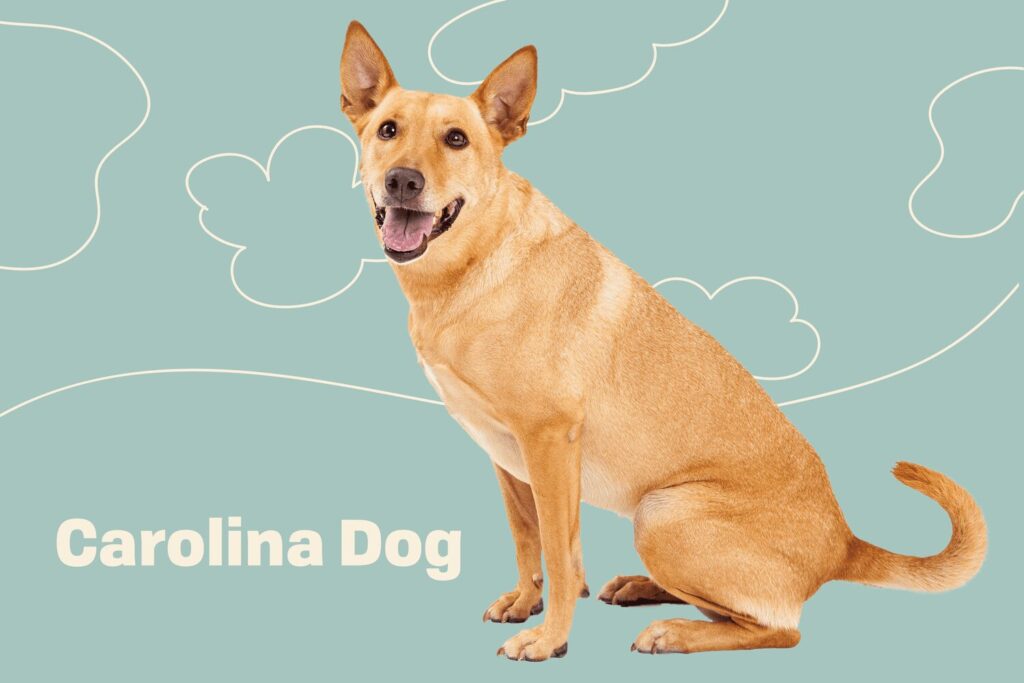
As one of the most appreciated companions in the animal kingdom, dogs have won the hearts of humans worldwide. With numerous breeds to choose from, it’s easy to get lost in the sea of canine options. In this article, we’ll delve into the world of the Carolina Dog, also known as the Yellow Dog, American Dingo, or Dixie Dingo – a wild-type medium-sized dog that calls the southeastern United States home.
What Makes the Carolina Dog Unique?
One of the most striking aspects of the Carolina Dog is its unrecognizable classification within the Fédération Cynologique Internationale (F.C.I.) breed registry. This raises an intriguing question: what makes this breed so special?
In this article, we’ll explore the characteristics, diet, price, and more of the enigmatic Carolina Dog.
1. The Physical Appearance of the Carolina Dog
With its robust and muscular build, the Carolina Dog is a sight to behold. Its imposing neck and pointed head give it an air of confidence. The legs are of medium size, while the tail is held high, showcasing its energetic nature. The coat is short and smooth, ideal for hot climates.
The head’s pointed shape is accompanied by large ears that stand erect, enhancing auditory capabilities and regulating body temperature. The typical coloration features a red pepper tone, with white patches on the nose and shoulders.
2. Characteristics of the Carolina Dog
One of the most notable aspects of the Carolina Dog is its versatility in terms of coat colors. The typical palette includes yellow, white, orange, and red pepper, accompanied by white markings on the nose and shoulders.
The breed’s large ears are a distinguishing feature, serving both auditory purposes and regulating body temperature. In terms of size, the Carolina Dog falls within the medium category, with weights ranging from 15 to 30 kg (33-66 lbs) and heights between 45 and 61 cm (18-24 inches).
3. The Personality of the Carolina Dog
The Carolina Dog’s personality is reminiscent of other canine breeds, with a mix of suspicion towards strangers and affection towards family members. It’s essential to note that this breed thrives on attention and interaction from its human companions.
As a result, socialization and training are crucial in shaping the Carolina Dog’s behavior. With proper care, it can develop into a loyal and faithful companion.
4. Diet and Nutrition
Feeding your Carolina Dog a balanced diet is essential for maintaining its physical and mental well-being. A diet rich in functional nutrients is recommended, with an emphasis on high-quality food or prepared at home.
Avoiding sweets is also crucial, as they are not suitable for canine consumption. Consult with your veterinarian to determine the best course of action for your dog’s specific needs.
5. Finding a Reputable Breeder
For those interested in bringing a Carolina Dog into their family, finding a reputable breeder is essential. Look for breeders who prioritize socialization and training, ensuring that your new companion is well-adjusted and well-behaved.
6. The Relationship between Carolina Dogs and Children/Seniors
Despite its wild nature, the Carolina Dog has adapted to normal family life, demonstrating non-aggressive behavior towards children and seniors. However, it’s crucial to maintain a safe distance and provide sufficient authority to manage any innate predatory instincts.
Consulting with a canine trainer can also help you develop strategies for socialization and training.
7. The Price of the Carolina Dog
As a rare breed, the Carolina Dog comes with a price tag that might surprise some potential owners. Puppies can range from 500 euros, depending on factors such as breeder reputation and age.
While it may seem expensive, keep in mind that the Carolina Dog is an economical breed compared to others.
8. Additional Insights
For those interested in learning more about similar breeds, consider exploring the Basenji and Canaan Dog.
As we conclude our journey into the world of the Carolina Dog, remember that this breed requires attention, interaction, and care. With the right owner, it can become a loving and loyal companion.
Health Considerations
The Carolina Dog is generally a healthy breed, but like all breeds, it’s prone to certain health issues. Regular veterinary check-ups are essential in detecting any potential problems early on.
Some common health concerns include:
- Hip dysplasia
- Degenerative myelopathy
- Progressive retinal atrophy
By being aware of these potential health issues, you can take proactive steps to ensure your Carolina Dog lives a long and healthy life.
Grooming Needs
The short coat of the Carolina Dog makes it an easy breed to maintain in terms of grooming. Regular brushing can help prevent matting and tangling, while occasional bathing is recommended to keep their coat clean and shiny.
Training Tips
As mentioned earlier, socialization and training are crucial in shaping the Carolina Dog’s behavior. Here are some training tips to get you started:
- Start with basic obedience commands, such as “sit,” “stay,” and “come.”
- Use positive reinforcement techniques, like treats and praise, to encourage good behavior.
- Be patient and consistent when training your Carolina Dog.
Conclusion
The Carolina Dog is a unique and fascinating breed that deserves attention and care. By understanding its characteristics, diet, price, and more, you can make an informed decision about bringing this breed into your family.
Remember, every dog is an individual, so be prepared to adapt to the needs of your specific Carolina Dog. With patience, love, and proper care, you can build a lifelong bond with your new companion.
FAQs:
- What is the typical weight range of the Carolina Dog?
The Carolina Dog weighs between 15 to 30 kg (33-66 lbs). - How often should I exercise my Carolina Dog?
Constant exercise is essential for maintaining physical and mental well-being. - Can I feed my Carolina Dog table scraps?
Avoid feeding your dog table scraps, as they are not suitable for canine consumption. - Is the Carolina Dog a good breed for first-time owners?
The Carolina Dog requires attention and interaction from its human companions, making it an ideal choice for experienced dog owners. - How much does a puppy of the Carolina Dog cost?
Puppies can range from 500 euros, depending on factors such as breeder reputation and age. - Can I leave my Carolina Dog alone for extended periods?
It’s not recommended to leave your Carolina Dog alone for extended periods, as it requires attention and interaction. - Is the Carolina Dog a good breed for families with small children?
The Carolina Dog can make an excellent family pet, but it’s crucial to maintain a safe distance and provide sufficient authority. - Can I train my Carolina Dog myself?
While it’s possible to train your Carolina Dog yourself, consulting with a professional trainer or breeder is recommended for optimal results.
By understanding the unique characteristics, diet, price, and more of the Carolina Dog, you’ll be better equipped to make an informed decision about bringing this breed into your family.


