
Introduction
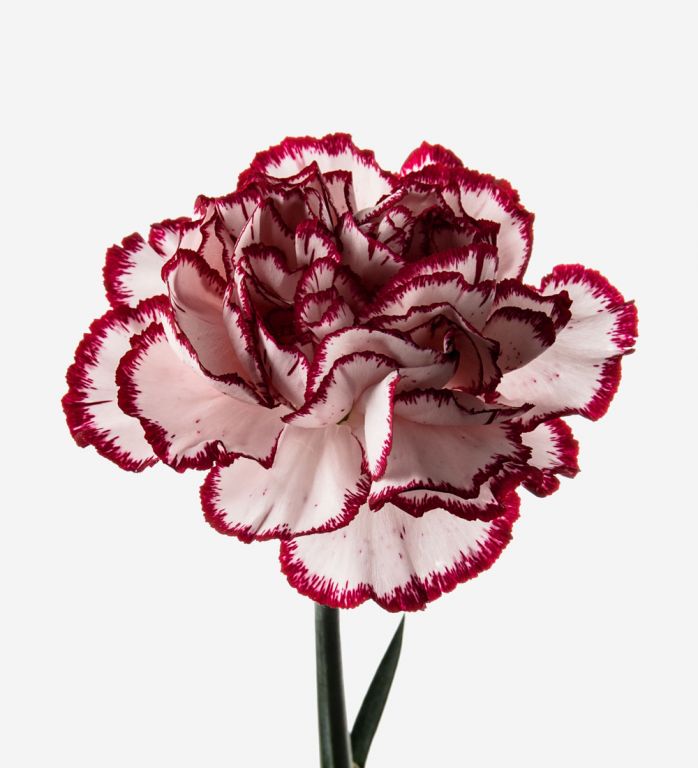
Carnations are one of the most popular and versatile flowers in the world, with over 300 species to choose from. These beautiful blooms come in a wide range of colors, including pink, red, white, and yellow, and can add a touch of elegance to any room or garden. But did you know that carnations are also known for their unique characteristics and potential drawbacks? In this article, we’ll delve into the world of carnations, exploring their history, care requirements, common problems, and varieties.
What Are Carnations?
Carnations belong to the Dianthus genus and are a type of perennial or annual flower. They originated in Asia and have since been cultivated for centuries for their beauty and fragrance. These flowers are known for their distinctive appearance, with long stems and leaves that can grow up to 30 cm tall.
Types of Carnations
Carnations come in a variety of colors and types, each with its own unique characteristics. Some popular varieties include:
- Dianthus deltoides: This type of carnation is known for its long-lasting blooms and comes in shades of pink and red.
- Dianthus neglectus: This smaller variety is perfect for adding a pop of color to small spaces.
- Dianthus superbus: With its strong fragrance and vibrant colors, this variety is ideal for those looking to add a statement piece to their garden or home.
- Dianthus barbatus: Also known as the poet’s carnation, this variety is prized for its delicate blooms and sweet scent.
History of Carnations
Carnations have been cultivated for thousands of years, with evidence of their use dating back to ancient civilizations in Egypt, Greece, and Rome. In the Middle Ages, carnations were a popular symbol of love and purity, and they remained a favorite among flower enthusiasts until the 19th century.
Modern Uses for Carnations
Today, carnations are used in a variety of ways, from wedding bouquets to decorative arrangements. They’re also a popular choice for gardens and indoor spaces due to their low maintenance requirements and ability to thrive in a range of conditions.
Caring for Your Carnation Plants
To keep your carnations healthy and thriving, follow these simple care tips:
- Provide them with plenty of sunlight: Carnations love full sun to partial shade, so make sure they’re getting at least six hours of direct sunlight per day.
- Water regularly: Carnations need consistent moisture, especially during the growing season. Water them when the top inch of soil feels dry to the touch.
- Fertilize during the growing season: Use a balanced fertilizer to feed your carnations during the spring and summer months.
- Prune regularly: Pruning your carnations will help encourage new growth and prevent legginess.
Common Problems with Carnations
While carnations are generally easy to care for, they can be prone to certain problems. Some common issues include:
- Pests: Aphids, whiteflies, and spider mites can all affect carnations, causing damage to leaves and stems.
- Diseases: Fungal infections like powdery mildew and rust can also infect carnations, leading to yellowing or browning leaves.
- Environmental Factors: Carnations are sensitive to extreme temperatures, humidity, and light levels. They prefer well-drained soil and full sun to partial shade.
Varieties of Carnations
There are over 300 species of carnation, each with its own unique characteristics and uses. Some popular varieties include:
- Dianthus deltoides: This type of carnation is known for its long-lasting blooms and comes in shades of pink and red.
- Dianthus neglectus: This smaller variety is perfect for adding a pop of color to small spaces.
- Dianthus superbus: With its strong fragrance and vibrant colors, this variety is ideal for those looking to add a statement piece to their garden or home.
- Dianthus barbatus: Also known as the poet’s carnation, this variety is prized for its delicate blooms and sweet scent.
Growing Carnations from Seed
If you’re looking to start your own carnation garden, you can grow them from seed. Here are some tips for growing carnations from seed:
- Sow seeds indoors: Sow your carnation seeds indoors about eight weeks before the last frost date in your area.
- Provide sufficient light: Make sure your seedlings receive at least six hours of direct sunlight per day.
- Maintain consistent moisture: Keep the soil consistently moist but not waterlogged.
Conclusion
Carnations are a popular choice for gardeners and flower enthusiasts alike. With their stunning colors, delicate blooms, and strong fragrance, it’s no wonder they’ve been cultivated for centuries. By understanding the different types of carnations, common problems, and care requirements, you’ll be well on your way to growing these beautiful flowers in your own garden or home.
Frequently Asked Questions
- What is the best way to propagate carnations?
- Carnations can be propagated through division, stem cuttings, or seed.
- How often should I fertilize my carnations?
- Fertilize your carnations during the growing season (spring and summer) with a balanced fertilizer.
- Can carnations be grown indoors?
- Yes, carnations can be grown indoors in pots or containers, provided they receive plenty of sunlight and are kept at room temperature.
- Are there any specific types of soil that are best for carnations?
- Carnations prefer well-drained soil with a pH between 6.0 and 7.0.
- Can I grow multiple varieties of carnations together?
- Yes, you can grow multiple varieties of carnations together in the same garden or container.
Tips for Choosing the Right Variety
When choosing the right variety of carnation for your needs, consider factors such as growth habit, color, and fragrance. Here are some tips for selecting a suitable variety:
- Consider your climate: If you live in an area with extreme temperatures or humidity levels, choose a variety that is tolerant of those conditions.
- Think about the amount of sunlight: Carnations require full sun to partial shade. Choose a variety that can thrive in your specific light conditions.
- Choose a fragrance that suits your needs: If you’re looking for a fragrance-free carnation, consider varieties like Dianthus deltoides.
Conclusion
Carnations are a beautiful and versatile flower that can add a touch of elegance to any room or garden. By understanding the different types of carnations, common problems, and care requirements, you’ll be well on your way to growing these stunning flowers in your own space.


