
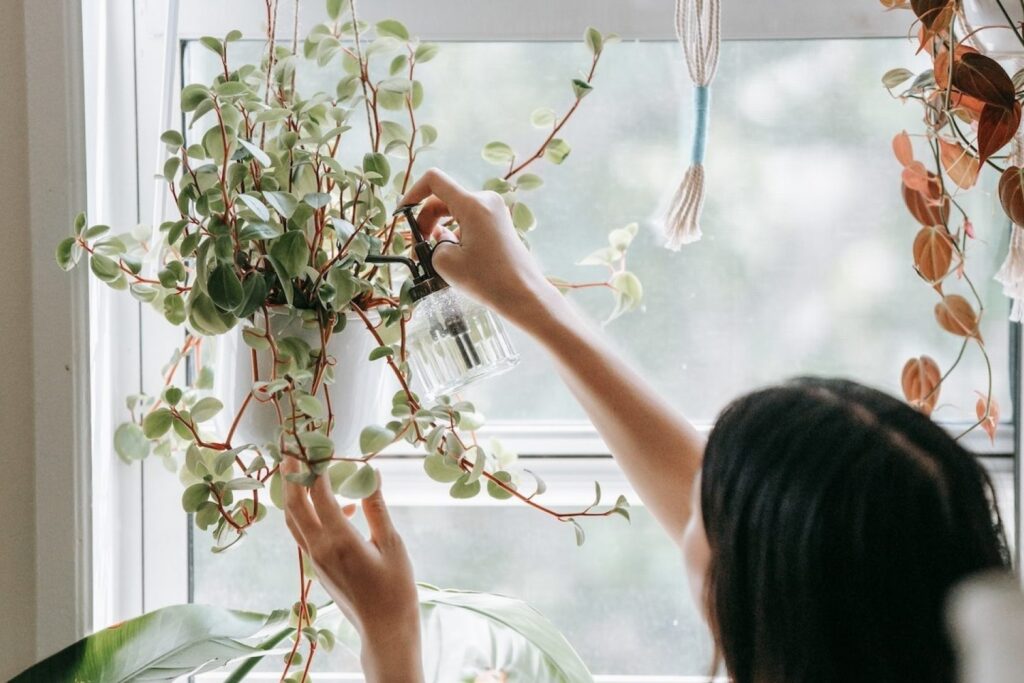
As a homeowner, you likely have indoor plants that bring beauty and freshness to your space. However, caring for these plants requires attention to detail, especially when it comes to providing the right conditions for them to thrive. In this article, we’ll explore the essential tips and tricks for caring for indoor plants, from lighting and watering to pruning and pest control.
Understanding the Needs of Indoor Plants
One of the main challenges of growing plants indoors is replicating the natural environment they would have in their native habitat. Unlike outdoor plants that can absorb nutrients and water directly from the soil, indoor plants rely on careful management to receive the right amount of light, water, and air circulation.
The Challenges of Growing Plants Indoors
Growing plants indoors comes with its own set of unique challenges. Some of these challenges include:
- Limited natural light: Most homes don’t have large windows that allow for plenty of natural light, making it difficult to provide the necessary light for indoor plants.
- Temperature fluctuations: Indoor temperatures can fluctuate greatly between day and night, which can affect plant growth and health.
- Low air circulation: Indoor spaces often have poor air circulation, which can lead to fungal diseases and pest infestations.
The Importance of Lighting for Indoor Plants
Lighting is one of the most critical factors in caring for indoor plants. Different plants require varying levels of light to photosynthesize and grow. Placing plants near windows with plenty of natural light can be beneficial, but it’s also important to consider the type of light and its intensity.
Tips for Providing Optimal Lighting for Indoor Plants
- Place plants near south-facing windows for maximum light exposure.
- Use grow lights if natural light is limited or inconsistent.
- Avoid placing plants under low-wattage bulbs, as they can produce heat that can damage the plant.
Watering and Humidity: The Keys to a Healthy Plant
Proper watering and humidity levels are essential for indoor plants. Overwatering can lead to root rot, while underwatering can cause stress and slow growth.
Tips for Watering Indoor Plants
- Check the soil moisture by sticking your finger into the soil up to the first knuckle.
- Water thoroughly, allowing excess water to drain from the pot.
- Avoid getting water on the leaves or crown of the plant to prevent fungal diseases.
The Importance of Air Circulation for Indoor Plants
Good air circulation is crucial for indoor plants. It helps prevent fungal diseases and promotes healthy growth.
Tips for Improving Air Circulation in Your Home
- Keep plants at least 6-8 inches away from walls to allow for airflow.
- Use fans to circulate air, but avoid placing them directly on the plant.
- Prune plants regularly to maintain a balanced shape and promote air circulation.
Pruning and Training: Tips for Indoor Plant Care
Pruning and training are essential techniques for indoor plant care. They help maintain a healthy shape, promote growth, and encourage flowering.
Tips for Pruning and Training Indoor Plants
- Prune plants in the spring or summer when they’re actively growing.
- Use clean, sharp tools to prevent spreading diseases.
- Train vines and climbers up trellises or stakes.
By following these tips and tricks, you can provide your indoor plants with the care and attention they need to thrive. Whether you’re a seasoned gardener or a beginner, understanding the needs of indoor plants can help you create a lush, vibrant oasis in your home.
Frequently Asked Questions
- How often should I water my indoor plant?
- What is the best way to fertilize my indoor plant?
- How do I prevent pests from infesting my indoor plant?
- Can I grow citrus trees indoors?
- How can I improve air circulation in my home for my indoor plants?
By answering these questions, you’ll be well on your way to becoming an expert in caring for indoor plants and enjoying the many benefits they bring to your space.
Conclusion
Caring for indoor plants requires attention to detail, patience, and a willingness to learn. By understanding the needs of indoor plants and providing them with the right conditions, you can create a thriving ecosystem that brings beauty and freshness to your home. Whether you’re a seasoned gardener or a beginner, following these tips and tricks will help you grow healthy, happy plants that bring joy and serenity to your space.
With the right care and attention, indoor plants can become a source of pride and enjoyment for years to come. So why not give it a try? With a little practice and patience, you’ll be growing like a pro in no time!
In addition to the tips provided above, here are some additional resources that may help you on your journey:
- The Royal Horticultural Society (RHS) is a great resource for indoor plant care. They offer a wealth of information on topics such as lighting, watering, and fertilizing.
- The Spruce is another excellent resource for indoor plant care. They offer articles on topics such as pruning and training, as well as tips for common pests like spider mites and mealybugs.
By taking the time to learn about the needs of your indoor plants and providing them with the right conditions, you can enjoy a thriving and beautiful indoor garden that brings joy and serenity to your home.


