
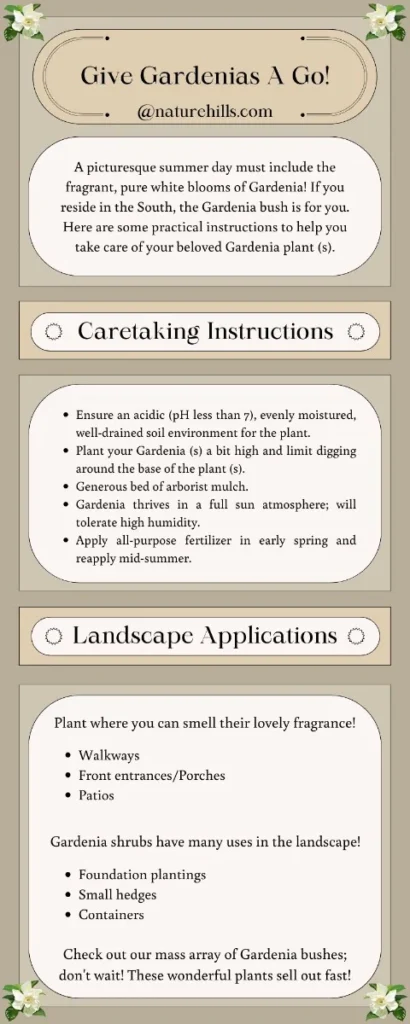
Caring for gardenias is not an impossible task, especially if you respect all their needs from the moment you bring them home. With over 250 species of gardenias, some of the most common ones are Gardenia Jasminoides, Gardenia grandiflora, and Gardenia thunbergiana.
Understanding Different Types of Gardenias
When it comes to adapting to our climate, Gardenia jasminoides is the best option. Characterized by shiny leaves and evergreen foliage, with flowers that resemble those of camellias, this type of gardenia is perfect for our region. Other types of gardenias, such as Gardenia grandiflora, bloom throughout the summer, while others like Gardenia amoena have autumnal blooms.
Seasonal Blooming Patterns
Gardenias come in four main seasonal blooming patterns: summer, spring, autumn, and winter. The Gardenia jasminoides blooms from June to September, while Gardenia grandiflora blooms throughout the summer season. If you’re looking for a gardenia with autumnal blooms, consider Gardenia amoena, known for its dark green leaves and white flowers with pink undertones. For those who want a winter-blooming gardenia, Gardenia thunbergiana is the way to go, with its intense green foliage and white flowers that bloom from late winter to early spring.
Caring for Gardenias
The care requirements of gardenias change throughout the year. In the spring and summer months, it’s essential to protect your gardenia from direct sunlight. Instead, place it in a shaded area or provide filtered sunlight. When temperatures exceed 20-22°C, consider moving your plant to an area with partial shade.
Autumnal and Winter Care
In autumn, focus on protecting your gardenia from cold temperatures and air currents. Place your plants in a sheltered location where the temperature is not below 12-13°C. If you live in an area with hard water, be cautious: gardenias may suffer from calcium-rich water! Irrigate your plant with lukewarm, non-calcium-rich water, and ensure the soil remains consistently moist but not waterlogged.
Soil Care
To prevent rancid roots, consider using a layer of perlite or expanded clay in the bottom of the pot. Water the soil only partially, leaving about an inch of space between the topsoil and the saucer. Avoid overwatering, as this can lead to root rot.
Rinsing and Repotting
Gardenias need to be repotted every spring. Handle the rhizome with care, making sure not to damage the roots. The ideal soil mixture has an acidic pH and is rich in peat moss. Mix 50% fertile soil with 50% a combination of sand and charcoal.
Fertilization
Choose fertilizers specifically designed for gardenias or opt for general-purpose fertilizers rich in essential and micronutrients. For more information, check out our article on Nutrients for Plants: Micro and Macro-Elements.
Tips for a Thriving Gardenia
To ensure your gardenia thrives, follow these additional tips:
Pruning
Regular pruning is essential to maintain the shape of your gardenia and encourage new growth. Remove any dead or damaged leaves or stems, and trim back overgrown branches.
Pest Control
Gardenias are susceptible to pests like spider mites, mealybugs, and scale insects. Regularly inspect your plant for signs of infestation, and treat promptly if necessary.
Propagation
Gardenias can be propagated through division or layering. Divide the rhizome in the spring, making sure each section has at least one “eye” or bud. Alternatively, you can take cuttings from the tips of new growth, and root them in a pot filled with moistened perlite.
Air Circulation
Good air circulation is crucial for healthy gardenia growth. Keep your plant at least 6-8 inches away from any walls or other plants to ensure adequate airflow.
Common Problems with Gardenias
Be aware of the following common problems that may affect your gardenia:
Root Rot
A common problem caused by overwatering, root rot can lead to yellowing leaves and a soft, mushy stem. Reduce watering and repot the plant in fresh soil if necessary.
Leaf Drop
Excessive leaf drop can be caused by underwatering, dry air, or extreme temperatures. Adjust your care routine accordingly, and provide additional humidity if necessary.
Conclusion
With these practical tips and guidelines, you’ll be well on your way to growing a healthy and thriving gardenia. Remember to respect the specific needs of your plant throughout the year, and don’t hesitate to seek advice from experienced gardeners or nursery professionals if needed. Happy gardening!


