
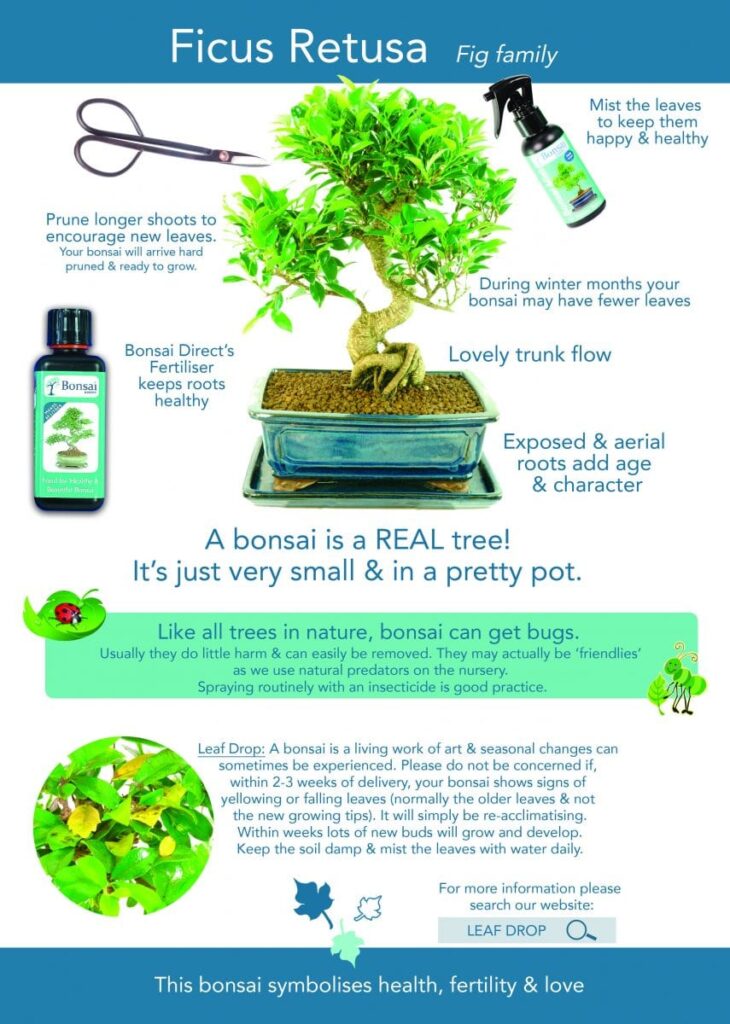
As you consider gifting or receiving a bonsai tree, it’s essential to understand the level of responsibility that comes with caring for this unique and beautiful plant. Unlike other plants, bonsais require attention to detail and a commitment to providing the right conditions to thrive.
Understanding Bonsais
The term “bonsai” is often used interchangeably with “tree,” but in reality, it refers to a specific type of miniature tree that has been trained to grow in a small container. With over 100 species of trees that can be used for bonsai cultivation, each species has its unique needs and requirements.
Bonsais are often classified into several categories based on their size, shape, and growth habits. Some common types of bonsais include:
- Ficus ginseng: A popular choice for beginners, ficus ginseng is a versatile tree that can thrive in a variety of conditions.
- Juniper: Known for its dense foliage and conical shape, juniper bonsais are a favorite among experienced enthusiasts.
- Maple: With its striking foliage and slender branches, maple bonsais are a popular choice for those who want to create a dramatic display.
Choosing the Right Bonsai
If you’re new to bonsai cultivation, it’s recommended to start with a ficus ginseng bonsai. This tree is known for its adaptability to various environmental conditions, making it an excellent choice for beginners. Other popular species for beginners include:
- Chinese Elm: A hardy and forgiving tree that can thrive in a variety of conditions.
- Zelkova: A beautiful tree with striking foliage and slender branches.
The Essential Care of a Bonsai
To ensure a healthy and thriving bonsai, attention must be paid to several key aspects:
- Lighting: Bonsais need indirect sunlight, which can be provided by placing the tree near a window. However, direct sunlight can cause scorching, so it’s essential to position the tree carefully.
- Watering: Overwatering is a common mistake that can lead to root rot and other problems. Check the soil regularly by gently removing the top layer of soil, and water only when necessary.
- Pruning: Pruning helps maintain the shape and size of the bonsai. Remove any dead or damaged branches, and trim back overgrown limbs to encourage new growth.
- Fertilization: Fertilize your bonsai regularly, using a balanced fertilizer that is specifically formulated for trees.
- Repotting: Bonsais need to be repotted every three years to provide fresh soil and a larger pot if necessary.
Additional Tips
In addition to these essential care practices, there are several other tips to keep in mind:
- Always use a well-draining potting mix to prevent waterlogged soil.
- Keep the tree away from extreme temperatures, drafts, and direct sunlight.
- Monitor the humidity level in the room, as bonsais prefer a relatively high humidity.
- Avoid over-handling the tree, as this can cause stress and damage.
Styling and Pruning
To create a stunning bonsai, you’ll need to consider styling and pruning techniques. These involve shaping the tree into a desired form or design, using various tools and techniques to achieve the desired look.
There are many different styles of bonsai cultivation, each with its unique characteristics and requirements. Some popular styles include:
- Formal Upright (Chokkan): Characterized by a tall, straight trunk and balanced branches.
- Informal Upright (Moyogi): Features a more relaxed, natural shape and a wider range of branch angles.
- Cascade (Kengai): A flowing, curved design that creates a sense of movement and flow.
Conclusion
Caring for a bonsai requires attention to detail, patience, and a commitment to providing the right conditions. By following these guidelines and practicing regular styling and pruning techniques, you can create a stunning and thriving bonsai tree that will bring joy and beauty to your life.
Frequently Asked Questions
Here are some frequently asked questions about caring for a bonsai:
- What is the ideal temperature range for a bonsai?
- Most bonsais prefer temperatures between 65°F (18°C) and 75°F (24°C).
- How often should I water my bonsai?
- Check the soil regularly, and water only when necessary.
- Can I use regular potting soil for a bonsai?
- No, bonsais require a well-draining potting mix to prevent waterlogged soil.
- How often should I fertilize my bonsai?
- Fertilize your bonsai regularly, using a balanced fertilizer that is specifically formulated for trees.
- Can I prune my bonsai too much?
- Yes, over-pruning can cause stress and damage to the tree. Prune only what is necessary to maintain shape and promote healthy growth.
If you have any further questions or concerns about caring for your bonsai, please don’t hesitate to reach out to a local nursery or expert for guidance.
Advanced Bonsai Care
For experienced enthusiasts, there are several advanced techniques to explore:
- Root pruning: Prune the roots of the tree to control its size and shape.
- Budding: Graft new branches onto the trunk to create new growth.
- Air-layering: Create a new plant by inserting a stem into a piece of bark.
By mastering these advanced techniques, you can take your bonsai care to the next level and create truly stunning displays.


