
Introduction
As the summer months arrive, many gardeners eagerly plant their tomato seeds, hoping for a bountiful harvest. However, caring for tomato plants is not just about planting them in the ground; it requires dedication, attention to detail, and a deep understanding of the intricacies involved. In this article, we will delve into the world of tomato cultivation, exploring the essential tips, tricks, and best practices to help you unlock maximum yields and healthy growth.
The Importance of Caring for Tomato Plants
Tomato plants are incredibly productive throughout the summer months, but as autumn approaches, their productivity slows down and eventually ceases. This phenomenon is due to a combination of factors, including decreased sunlight and lower temperatures. By understanding these changes and implementing appropriate care strategies, you can extend your tomato harvest well into late autumn.
Factors Affecting Tomato Plant Health
Before we dive into the nitty-gritty of caring for tomato plants, it’s essential to understand some fundamental factors that impact their health. These include:
- Watering frequency
- Soil fertility
- Sunlight exposure
- Fertilization schedule
- Weed control
Watering Tomatoes: A Delicate Balance
Irrigation is a crucial aspect of caring for tomato plants, as it directly affects their growth and productivity. However, finding the perfect watering balance can be challenging. The key is to monitor soil moisture levels and adjust your watering schedule accordingly.
When to Water Tomato Plants?
Determining when to water tomato plants depends on various factors, including weather conditions and soil type. As a general rule of thumb:
- Check soil moisture levels between waterings
- Avoid overwatering, which can lead to root rot and other problems
- Irrigate less frequently during late summer months
Fertilizing Tomato Plants: The Key to Maximum Yields
Fertilization is essential for maintaining healthy tomato plants. By providing your plants with the necessary nutrients, you can promote maximum growth and productivity. Here are some fertilization tips:
- Plant fertilizers at planting time and again before harvesting
- Use granular fertilizers that release nutrients slowly during mid-summer
- Consider using liquid fertilizers for late summer and early autumn applications
Harvesting Tomatoes: A Matter of Timing
Rinsing tomatoes can affect their cultivation and productivity. When it comes to harvesting, timing is everything. Here are some tips to keep in mind:
- Harvest tomatoes from top to bottom following maturation
- Use pruning shears to cut the plant and stem, not just pick the fruit
- Avoid pulling on the tomato, which can damage the stem
Common Tomato Plant Problems: What to Look Out For?
As a responsible gardener, it’s essential to be aware of common tomato plant problems that can affect their health. Some common issues include:
- Yellowing leaves due to nutrient deficiencies
- Curling leaves caused by excessive fertilization or nitrogen deficiencies
- Pests and diseases that can spread quickly
Pest Control: Natural Methods for a Healthy Harvest
Preventing pests from damaging your tomato plants is vital for maintaining healthy growth. Some natural pest control methods include:
- Neem oil: Apply neem oil to the leaves of your tomato plants to repel pests like aphids, whiteflies, and spider mites.
- Diatomaceous earth: Use diatomaceous earth to dehydrate and kill pests like slugs, snails, and caterpillars.
- Companion planting: Plant companion crops like basil, marigold, or nasturtiums nearby your tomatoes to deter pests.
- Hand-picking: Regularly inspect your tomato plants for signs of pests and hand-pick them off to prevent infestations.
Disease Prevention: Strategies for a Healthy Harvest
Preventing diseases from affecting your tomato plants is just as crucial as pest control. Some strategies include:
- Sanitation: Remove any infected or diseased plant material immediately to prevent the spread of disease.
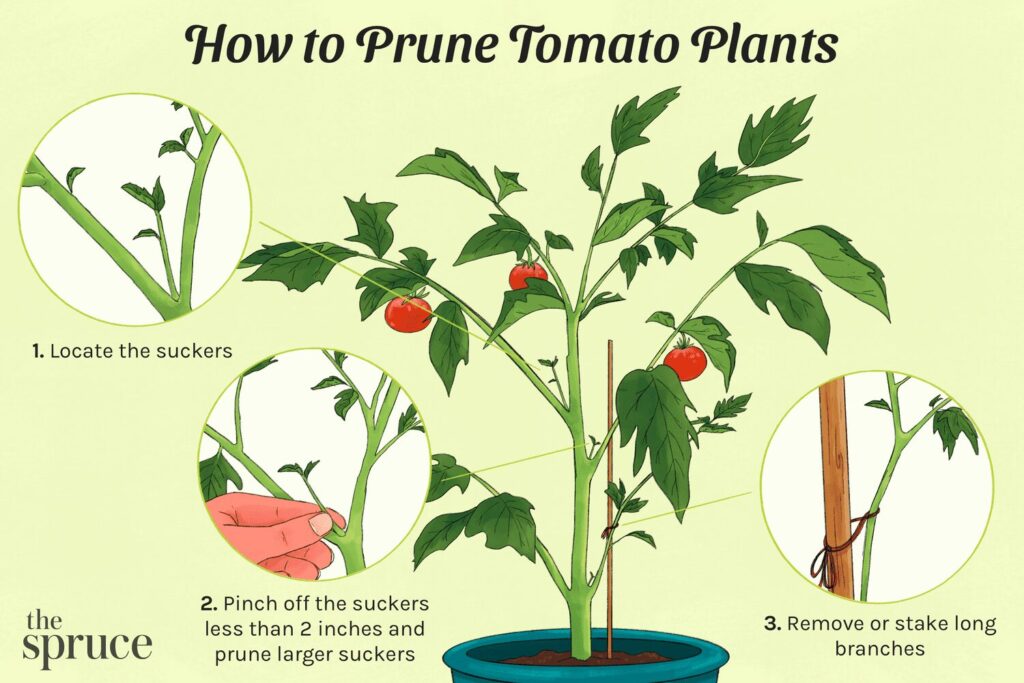
- Pruning: Prune your tomato plants regularly to promote air circulation and reduce humidity, making it less conducive to disease development.
- Soil testing: Test your soil regularly to ensure its pH levels are within the optimal range for tomato growth.
- Crop rotation: Rotate your crops regularly to break the life cycle of diseases that can spread between plants.
Conclusion
Caring for tomato plants is a complex process that requires attention to detail, patience, and dedication. By understanding the essential factors that impact their health and implementing appropriate care strategies, you can unlock maximum yields and healthy growth.
Frequently Asked Questions
-
How often should I water my tomato plants?
Check soil moisture levels between waterings, and adjust your watering schedule accordingly.
2. What’s the best way to fertilize my tomato plants?Plant fertilizers at planting time and again before harvesting, using granular fertilizers that release nutrients slowly during mid-summer.
3. How do I harvest tomatoes without affecting their cultivation?Harvest tomatoes from top to bottom following maturation, use pruning shears to cut the plant and stem, and avoid pulling on the tomato.
4. What are some common tomato plant problems?Yellowing leaves due to nutrient deficiencies, curling leaves caused by excessive fertilization or nitrogen deficiencies, and pests and diseases that can spread quickly.
5. How can I prevent pests and diseases from affecting my tomato plants?Use organic pest control methods whenever possible, keep your garden clean and well-maintained, and avoid overwatering.
6. What’s the best way to store harvested tomatoes?Store tomatoes in a cool, dry place away from direct sunlight, and consume them within a few days of harvesting.
7. Can I grow tomato plants indoors?Yes, but ensure your indoor growing space provides sufficient light and temperature control for optimal growth.
8. How can I propagate tomato plants?Use stem cuttings or seedlings to propagate new tomato plants, ensuring they receive adequate sunlight and nutrients during the propagation process.


