
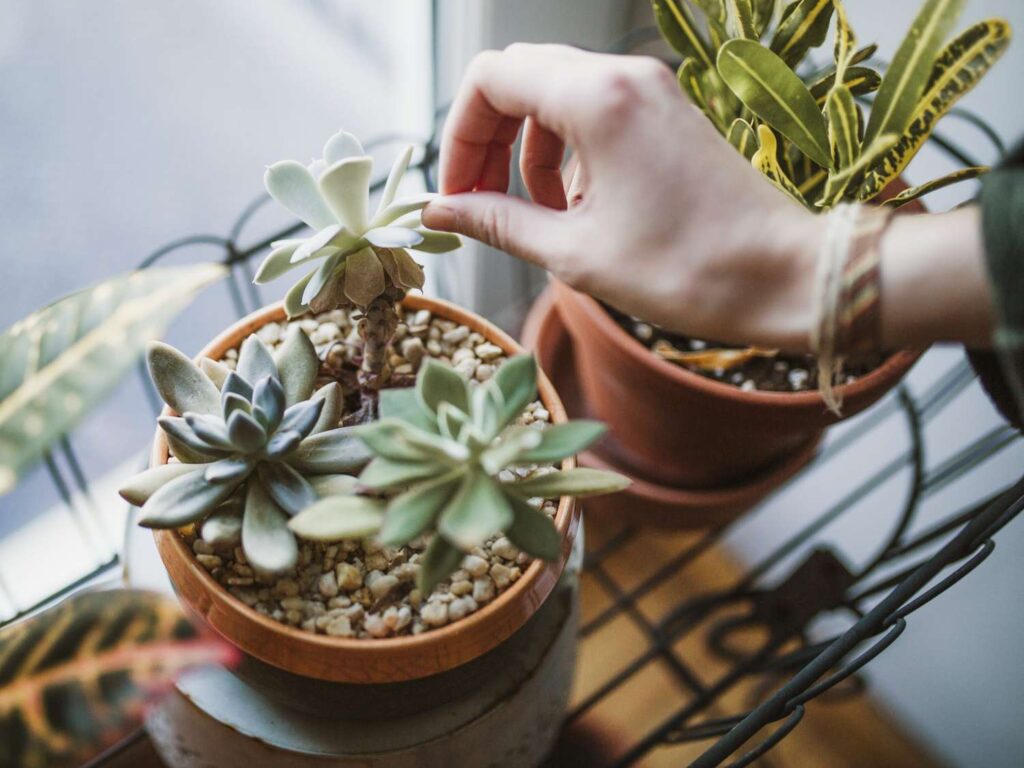
Succulent plants are characterized by their soft, fleshy, and water-rich tissues. These tissues act as an organ of accumulation, similar to our own adipose tissue. Succulents are easy to cultivate but require proper care to prevent disease and ensure long life.
Understanding Succulents
Succulents have evolved over millions of years to survive in arid environments with limited water availability. Their unique adaptations enable them to store water in their leaves, stems, or roots, allowing them to thrive in conditions where other plants would perish. Succulents are not just limited to cacti; they include a wide range of species like Aloe, Echeveria, Crassula, and Sedum.
The Three Basic Rules for Caring for Succulents
Caring for succulents is based on three fundamental rules: minimizing water intake, providing adequate light, and ensuring excellent drainage. By following these rules, you can provide the best possible conditions for your succulent plants.
Acquiring the Right Water Amount
Watering succulents requires careful consideration. Overwatering can cause sudden decline or loss of leaves and flowers without apparent reason. The culprit is often excessive water, which can lead to root rot in inclined soil with cold temperatures below 10°C.
To avoid overwatering, do not exceed the recommended amount during irrigation. Avoid using tap water, which is usually hard and may contain high levels of minerals. Instead, use rainwater or allow tap water to sit for at least 24 hours before using it. Rainwater is ideal as it is naturally filtered and has a pH close to neutral.
Best Practices for Watering Succulents
Irrigate your succulent with room-temperature water. Water should be lukewarm, as cold water can cause the roots to become shocked, leading to stress and potentially killing the plant. Avoid using hot water, as it can scorch the leaves or burn the roots.
Ensure the soil is completely dry between waterings. Succulents store water in their tissues, but if the soil is too wet, the excess water can cause root rot and other problems. Check the soil by inserting your finger into it up to the first knuckle. If the soil feels damp, wait a few days before watering again.
Use a watering can that allows excess water to escape through the drainage holes of the pot. This will prevent water from accumulating in the soil and causing root rot. If you don’t have a watering can with built-in drainage, simply pour the water slowly over the soil to ensure it has time to drain.
Choosing the Right Soil for Succulents
Succulents thrive in well-draining soils like sand, gravel, or rocks. Avoid using regular potting soil, as it retains too much water and can cause root rot. To create a suitable substrate, mix three parts of general-purpose potting soil with two parts of coarse sand and a small amount of charcoal. Charcoal helps to improve drainage by preventing the growth of microorganisms that can cause disease.
Installing a Draining Layer
Add a layer of small rocks or gravel to the bottom of your container. This helps prevent water from seeping into the pot’s drainage holes, which can cause root rot and other problems. The layer should be at least 1 inch (2.5 cm) thick.
Providing Adequate Light
Succulents love sunlight, so keep them in bright locations with southern-facing windows. Avoid exposing your succulent to direct sunlight during winter months when temperatures drop below 10°C. Direct sunlight can cause the plant to become scorched or even killed, especially if it’s not acclimated to it.
Tips for Even Lighting
When watering, rotate your succulent by 90° to ensure even light distribution on all sides. This is particularly important for plants that have asymmetrical growth patterns or are prone to leaning towards one side.
Use a sheer curtain or shade cloth if the direct sunlight becomes too intense. This will filter out some of the direct sunlight and prevent scorching, while still allowing your succulent to receive essential light.
Keep your succulent away from heating vents and radiators to avoid temperature shocks. Sudden changes in temperature can cause stress and potentially kill your plant.
Tips and Tricks
- Avoid using sponges for irrigation; they retain water and can cause root rot.
- Only use distilled or filtered water for fertilizing plants, as tap water contains high levels of minerals that may harm the plant.
- Use a well-draining potting mix to prevent waterlogged soil.
- Repot your succulent every 2-3 years to refresh the soil and provide a larger pot if necessary.
- Avoid over-fertilizing your succulents, as this can cause more harm than good.
Conclusion
By following these tips and understanding the basic rules for caring for succulents, you’ll be well on your way to becoming a succulent expert. With proper care, your plants will thrive, providing you with endless joy and satisfaction.
Frequently Asked Questions
-
How often should I water my succulents?
The frequency of watering depends on the type of succulent, temperature, humidity, light exposure, and soil moisture. As a general rule, check the soil by inserting your finger into it. -
Can I overwater my succulents?
Yes, overwatering can cause root rot and kill your plants. Symptoms include soft, mushy roots and yellowing leaves. -
Why do succulents need so much sunlight?
Succulents have adapted to store water in their tissues, which helps them survive in arid environments. They require light to undergo photosynthesis and produce energy. -
How can I propagate my succulent plants?
You can propagate succulents through leaf cuttings or division. For leaf cuttings, dry the leaves for a few days before planting to prevent rot. -
What is the best type of potting soil for succulents?
Choose a well-draining potting mix specifically designed for cacti and succulents. Avoid regular potting soils that retain too much water. -
Can I grow succulents indoors?
Yes, many succulent species can thrive in indoor conditions. Choose low-maintenance plants like Aloe, Echeveria, or Crassula. -
How long does it take for a new succulent plant to establish itself?
It may take several months for a new succulent plant to establish itself and grow robustly. -
How often should I fertilize my succulents?
Fertilize your succulents during the growing season (spring-fall). Use a balanced fertilizer at half the recommended strength, as overfertilization can harm plants.


