
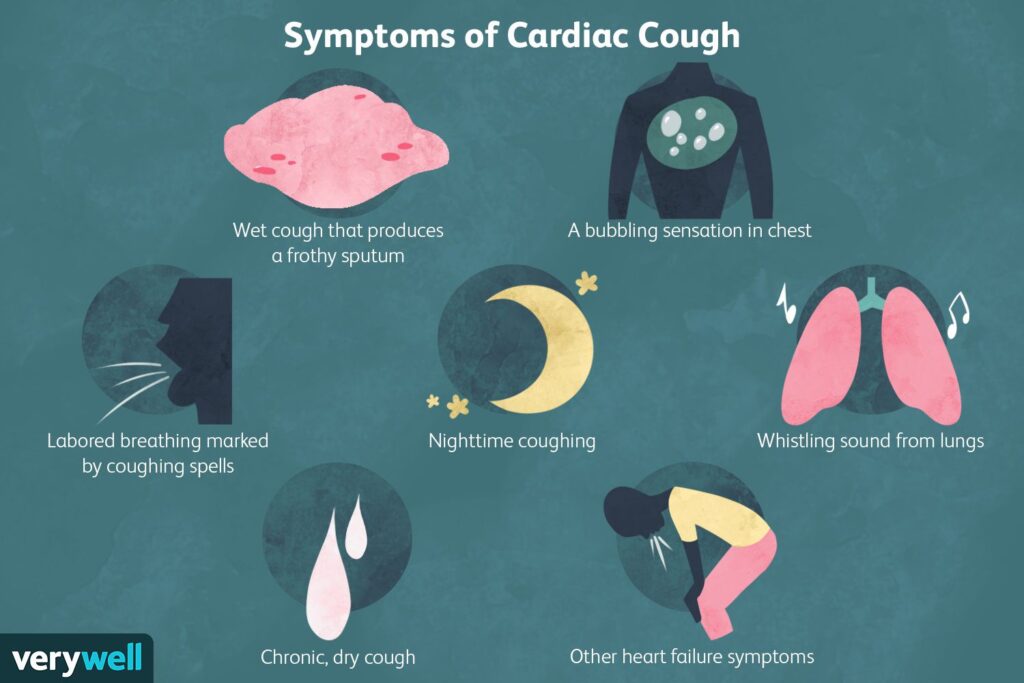
A cardiac cough, also known as heart failure cough, is a type of cough that occurs when the heart is unable to pump enough blood to meet the body’s needs. While it may seem like just another cold or flu symptom, a cardiac cough can be a sign of a more serious underlying condition.
What are the signs and symptoms of a cardiac cough?
A cardiac cough typically occurs in individuals who have heart failure, which is when the heart becomes unable to pump enough blood to meet the body’s needs. The cough may be accompanied by other symptoms such as difficulty breathing, fatigue, swelling in the legs, ankles, and feet, and weight gain.
In addition to these symptoms, a person with a cardiac cough may experience:
- Chest pain or discomfort
- Swelling of the face, legs, ankles, and feet
- Fatigue or weakness
- Shortness of breath or difficulty breathing
- Rapid weight gain
- Pale or cool skin
- Cool extremities
- Confusion or disorientation
How is a cardiac cough diagnosed?
A cardiac cough can be challenging to diagnose, as the symptoms can be similar to those of other conditions. However, there are several diagnostic tests that may be used to confirm the diagnosis.
- Physical examination: A healthcare provider will perform a physical examination to check for signs of heart failure.
- Echocardiogram: An echocardiogram is an ultrasound test that uses sound waves to create images of the heart.
- Electrocardiogram (ECG or EKG): An ECG measures the electrical activity of the heart and can help diagnose arrhythmias or other heart problems.
- Blood tests: Blood tests may be ordered to check for signs of heart failure, such as elevated levels of certain proteins in the blood.
How is a cardiac cough treated?
Treatment for a cardiac cough typically involves lifestyle changes and medications. The primary goal of treatment is to manage symptoms and slow the progression of heart failure.
- Lifestyle changes: Making healthy lifestyle choices can help manage symptoms of heart failure.
- Medications: Medications such as diuretics, ACE inhibitors, beta blockers, and digoxin may be prescribed to help manage symptoms and slow the progression of heart failure.
- Surgery: In some cases, surgery may be necessary to treat underlying conditions that are contributing to the cardiac cough.
What are the types of medications used to treat a cardiac cough?
There are several types of medications that can be used to treat a cardiac cough:
- Diuretics: Diuretics help remove excess fluid from the body, which can help relieve symptoms such as swelling and shortness of breath.
- ACE inhibitors: ACE inhibitors block the production of angiotensin II, a hormone that constricts blood vessels and increases blood pressure.
- Beta blockers: Beta blockers slow the heart rate and reduce the force of heart contractions, which can help lower blood pressure and reduce symptoms such as shortness of breath.
- Digoxin: Digoxin is a medication that helps strengthen the heart muscle and improve cardiac output.
Can a cardiac cough be prevented?
While it’s not possible to prevent all cases of cardiac cough, there are steps you can take to reduce your risk:
- Maintain a healthy lifestyle: Regular exercise, a balanced diet, and stress management can help lower blood pressure and reduce the risk of heart failure.
- Get regular check-ups: Regular health check-ups can help identify underlying conditions that may contribute to cardiac cough.
- Quit smoking: Smoking is a significant risk factor for heart disease and can increase the risk of developing cardiac cough.
What are some lifestyle changes that can help manage symptoms of heart failure?
Making healthy lifestyle choices can help manage symptoms of heart failure. Some examples include:
- Regular exercise: Regular exercise can help improve cardiac output and reduce symptoms such as shortness of breath.
- A balanced diet: Eating a balanced diet that includes plenty of fruits, vegetables, whole grains, and lean protein sources can help lower blood pressure and reduce the risk of heart failure.
- Stress management: Stress can exacerbate symptoms of heart failure, so finding ways to manage stress such as through meditation or yoga can be helpful.
Can a cardiac cough be cured?
While there is no cure for cardiac cough, treatment can help manage symptoms and slow the progression of heart failure. With proper care and attention, many people with cardiac cough are able to live active and fulfilling lives.
FAQs
- What causes a cardiac cough?
- How is a cardiac cough diagnosed?
- Can a cardiac cough be treated?
- Can a cardiac cough be prevented?
Conclusion
A cardiac cough, also known as heart failure cough, is a type of cough that occurs when the heart is unable to pump enough blood to meet the body’s needs. While it may seem like just another cold or flu symptom, a cardiac cough can be a sign of a more serious underlying condition.
By understanding the signs and symptoms of a cardiac cough, you can take steps to prevent complications and seek medical attention promptly if symptoms persist. If you or someone you know is experiencing symptoms of a cardiac cough, don’t hesitate to reach out to a healthcare provider for guidance and support.


