
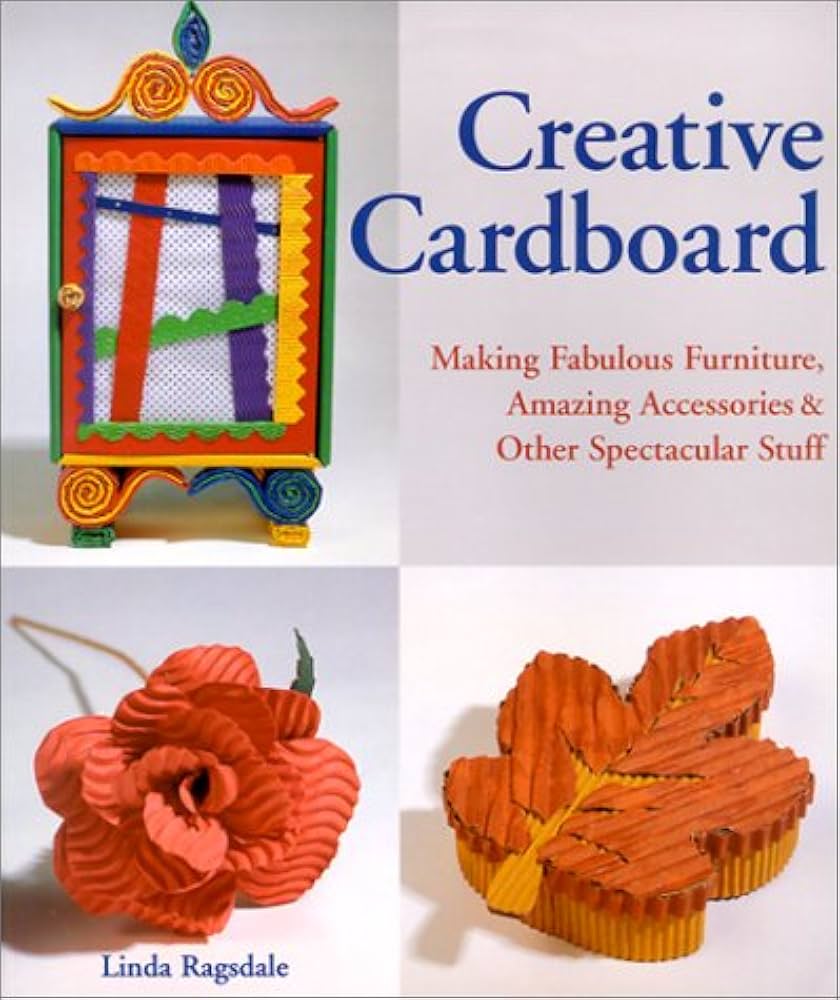
Imagine sitting on a chair made from a recycled cardboard box. It may seem like an impossible feat, but thanks to advancements in technology and innovative design, this is now a reality. Cardboard furniture has become increasingly popular in recent years, not only as a sustainable alternative to traditional materials but also as a unique design statement. In this article, we’ll explore the history of cardboard furniture, its benefits, and some exciting examples of designers who have pushed the boundaries of what’s possible.
A Brief History of Cardboard Furniture
The concept of using cardboard as a material for furniture has been around for decades, but it wasn’t until the 2010s that it started to gain mainstream attention. In 2010, during the Milan Design Week, a Dutch designer showcased furniture made from recycled cardboard, sparking a wave of interest in eco-friendly design.
This initial push forward laid down the foundation for cardboard as an alternative material for various applications of furniture production. As technology evolved, so did methods for transforming discarded cardboard into useful and aesthetically pleasing pieces.
From Cardboard to Sustainable Furniture
The idea behind cardboard furniture is simple: take discarded cardboard materials and transform them into usable products that can be both sustainable and stylish. By using recycled cardboard, designers aim to reduce waste and promote a more circular economy.
But how does it work? The process involves compressing cardboard into sheets or boards, which can then be molded, cut, and shaped into various forms of furniture. Some companies even use 3D printing technology to create complex designs from cardboard materials.
Benefits of Cardboard Furniture
So, what makes cardboard furniture so appealing? Here are just a few benefits:
- Sustainability: By using recycled materials, designers can significantly reduce waste and promote sustainability.
- Affordability: Cardboard furniture is often less expensive to produce than traditional furniture made from wood or metal.
- Customization: Cardboard can be easily molded and shaped into unique designs, making it an ideal material for bespoke furniture.
Designers Revolutionizing the Industry
Some talented designers have taken the concept of cardboard furniture to new heights. Here are a few examples:
- Mieke Meijer, a Dutch designer, has created stunning pieces made from recycled cardboard, showcasing its potential as a sustainable and stylish material.
- Karton, a German company, produces minimalist yet functional furniture pieces made entirely from cardboard.
- Kubedesign, another German firm, has perfected the art of creating high-quality, eco-friendly furniture using cardboard materials.
These innovators have taken cardboard from an unconventional material to a highly sought-after option for those looking to create unique and sustainable furniture pieces.
The Future of Cardboard Furniture
As consumers become increasingly environmentally conscious, we can expect to see more innovative designs emerge in the world of cardboard furniture. With advancements in technology and design expertise, it’s likely that this sustainable material will continue to gain popularity.
In addition to its environmental benefits, cardboard furniture offers several unique advantages that are making it an attractive option for people looking to create a more stylish space without breaking the bank. Its ability to be molded into any shape or form makes it versatile, and because of its eco-friendly nature, it also has the potential to contribute positively towards a circular economy.
Impact on Traditional Furniture Markets
The rise of cardboard furniture poses an interesting challenge to traditional furniture markets. As more people turn towards sustainable materials, there may be pressure on manufacturers to incorporate environmentally friendly options into their designs.
This shift in demand could lead to increased innovation and adoption of eco-friendly practices within the industry. It’s possible that we’ll see a gradual transition from traditional materials to cardboard as consumers increasingly prioritize sustainability.
Potential Applications Beyond Furniture
While cardboard furniture is an exciting development, its potential applications extend far beyond the realm of furniture production. Its lightweight, moldable nature makes it a versatile material suitable for use in various industries.
For example, cardboard could be used to create disposable utensils or packaging materials that are both biodegradable and compostable. Additionally, its durability and resistance to pests make it an attractive option for creating animal shelters or habitats.
The Role of Technology in Cardboard Furniture
Advancements in technology have played a significant role in the development of cardboard furniture. From 3D printing to compressed cardboards, innovative materials and manufacturing processes have transformed this material into something both functional and aesthetically pleasing.
In order to meet the growing demand for sustainable furniture, we can expect to see further advancements in technology that allow for mass production without compromising on quality or style.
Conclusion
Cardboard furniture has come a long way since its inception in the 2010s. From humble beginnings as an eco-friendly alternative to traditional materials to its current status as a stylish and innovative design choice, cardboard furniture has proven itself to be a force to be reckoned with.
As we look to the future, it’s clear that cardboard furniture will continue to play a significant role in shaping the design world. With its unique blend of sustainability, affordability, and customization options, it’s an ideal material for those seeking eco-friendly solutions.
So next time you’re considering updating your home decor, consider the possibilities of cardboard furniture. Who knows? You might just find yourself falling in love with this quirky yet innovative material.
Frequently Asked Questions
- What is cardboard furniture made from?
- Cardboard furniture is typically made from recycled cardboard materials.
- Is cardboard furniture sustainable?
- Yes, cardboard furniture is a sustainable option as it reduces waste and promotes eco-friendly design.
- Can cardboard furniture be customized?
- Yes, cardboard can be easily molded and shaped into unique designs, making it an ideal material for bespoke furniture.
- Is cardboard furniture affordable?
- Cardboard furniture is often less expensive to produce than traditional furniture made from wood or metal.
- Will cardboard furniture become mainstream?
- Only time will tell, but one thing is certain: cardboard furniture has proven itself to be a force to be reckoned with in the design world.
By continuing to innovate and push the boundaries of what’s possible, designers can create more sustainable, affordable, and customizable furniture options that meet the needs of consumers while also promoting environmental responsibility.


