
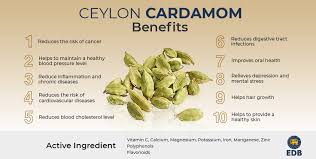
Cardamom, a spice originating from India, has gained widespread popularity in the Western world due to its numerous health benefits. This aromatic spice is commonly used in cooking to add flavor and depth to various dishes.
What is Cardamom?
Cardamom is a plant that belongs to the ginger family (Zingiberaceae). Its botanical name is Elettaria cardamomum, and it is native to the tropical regions of Southeast Asia. The plant can grow up to 20 meters tall, with greenish-purple leaves and brown-black seeds. The seeds are used as a spice, which can be ground into a powder or consumed whole.
Properties and Benefits of Cardamom
Cardamom has several properties that make it beneficial for various health issues:
- Stimulates digestion: Cardamom is traditionally used to aid digestion and alleviate symptoms of indigestion, bloating, and gas. The active compounds in cardamom help relax the muscles in the digestive tract, improving digestion and reducing inflammation.
- Antiseptic and antibacterial: The essential oil in cardamom has antimicrobial properties, making it effective against bacteria and fungi. This property makes cardamom useful for wound care and skin issues.
- Respiratory relief: Cardamom’s aroma can help ease respiratory issues such as coughing, congestion, and sinusitis. The active compounds in cardamom help relax the airways, reducing inflammation and improving breathing.
- Anti-inflammatory: Cardamom has anti-inflammatory compounds that may help reduce inflammation and alleviate pain.
How to Use Cardamom
Here are some ways to incorporate cardamom into your daily life:
- Tea: Steep a teaspoon of ground cardamom in boiling water for 5-7 minutes, then strain and drink.
- Culinary: Add ground cardamom to baked goods, smoothies, or salads for added flavor.
- Digestive aid: Consume cardamom tea after meals to aid digestion.
Cardamom in Powder Form
Ground cardamom can be used as a spice or ingredient in various recipes:
- Baked goods: Add ground cardamom to cakes, cookies, or muffins for an aromatic twist.
- Drinks: Mix ground cardamom with milk or tea for a soothing drink.
Semi of Cardamom
Whole seeds of cardamom can be used to make infusions or added to recipes:
- Infusion: Steep whole cardamom seeds in hot water for 5-7 minutes, then strain and drink.
- Baked goods: Add whole cardamom seeds to dough for an aromatic flavor.
Precautions and Contraindications
While cardamom is generally safe, some individuals may experience adverse effects:
- Allergies: Some people may be allergic to cardamom, which can cause skin irritation or respiratory issues.
- Pregnancy and breastfeeding: Consult a healthcare professional before consuming cardamom during pregnancy or breastfeeding.
Growing Cardamom
Cardamom is a challenging plant to grow, especially in temperate climates:
- Climate: Cardamom thrives in warm, humid environments with temperatures between 15-25°C (59-77°F).
- Soil: Cardamom requires acidic soil with a pH range of 5.1-5.5.
- Irrigation: Water cardamom regularly during the growing season to maintain humidity.
Harvesting and Preserving
To preserve cardamom seeds, follow these steps:
- Harvest: Collect whole seed pods when they are still green and closed.
- Dry: Air-dry the seed pods for 2-4 weeks or use a dehydrator.
- Grind: Grind the dried seeds into a powder using a spice grinder.
Tips and Tricks
Here are some tips to get the most out of your cardamom:
- Use fresh cardamom: Ground cardamom loses its flavor and aroma over time, so use it within 6 months of opening.
- Grind whole seeds carefully: Whole cardamom seeds can be brittle, so grind them carefully to avoid breaking or tearing the seeds.
- Store cardamom properly: Store ground cardamom in an airtight container in a cool, dry place to maintain its flavor and aroma.
Cardamom vs. Ginger
While both cardamom and ginger have medicinal properties, they have distinct differences:
- Taste: Cardamom has a unique sweet-savory flavor, while ginger has a pungent spicy taste.
- Aroma: Cardamom has a sweet, aromatic scent, while ginger has a pungent, earthy aroma.
- Active compounds: Cardamom contains eugenol and linalool, which have antimicrobial properties, while ginger contains gingerols and shogaols, which have anti-inflammatory properties.
Cardamom in Traditional Medicine
Cardamom has been used for centuries in traditional medicine to treat various health issues:
- Ayurvedic medicine: Cardamom is used in Ayurvedic medicine to aid digestion, reduce inflammation, and alleviate respiratory issues.
- Unani medicine: Cardamom is used in Unani medicine to treat digestive issues, skin problems, and respiratory issues.
- Chinese medicine: Cardamom is used in Chinese medicine to treat digestive issues, fever, and respiratory issues.
Conclusion
Cardamom is a versatile spice with numerous health benefits. Its unique flavor and aroma make it an excellent addition to various recipes. When growing cardamom, ensure you provide it with the right climate, soil, and irrigation conditions. With proper care and harvesting, you can enjoy the benefits of this aromatic spice.
Frequently Asked Questions
- What is the recommended dosage of cardamom for digestive issues?
Consult a healthcare professional before consuming cardamom for digestive issues. - Can I use cardamom powder as a substitute for whole seeds in recipes?
While ground cardamom can be used as a substitute, whole seeds provide more flavor and aroma. - How do I store cardamom seeds to preserve their flavor and aroma?
Store cardamom seeds in an airtight container in a cool, dry place to maintain their flavor and aroma. - Is cardamom safe for pregnant or breastfeeding women?
Consult a healthcare professional before consuming cardamom during pregnancy or breastfeeding. - Can I use cardamom essential oil as a substitute for whole seeds or powder?
Essential oils are highly concentrated and may not provide the same flavor and aroma as whole seeds or ground cardamom.
By understanding the properties, uses, and benefits of cardamom, you can incorporate this versatile spice into your daily life and enjoy its numerous health advantages.


