
Introduction
As we navigate the complexities of climate change, it’s essential to understand the role of carbon sinks in reducing greenhouse gas emissions. In this article, we’ll delve into the world of carbon sinks, exploring what they are, how they work, and why they’re crucial for mitigating climate change.
What is a Carbon Sink?
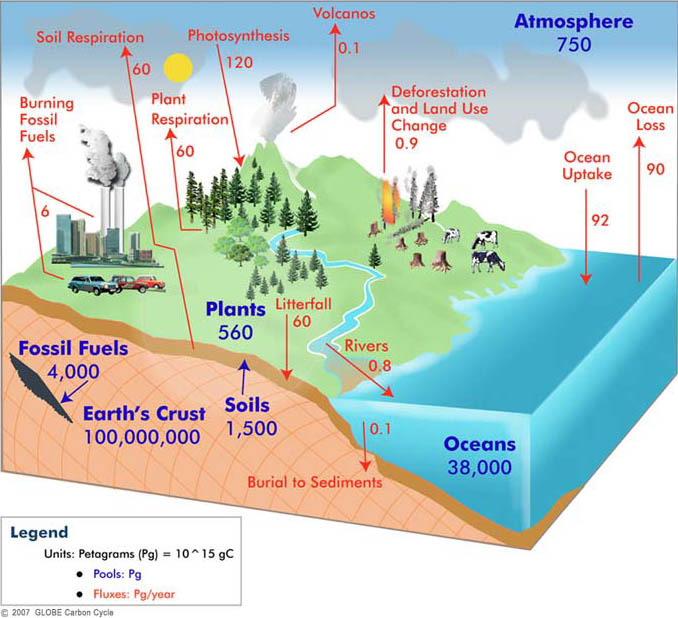
A carbon sink is a natural or artificial system that absorbs and stores carbon dioxide (CO2) from the atmosphere. This can be achieved through various means, including photosynthesis by plants, ocean absorption, soil storage, and geological sequestration. According to the United Nations Framework Convention on Climate Change (UNFCCC), a carbon sink is defined as “any process, activity or mechanism for removing gases of effect on climate change, aerosols or precursors of gas of effect on climate change from the atmosphere.”
Plant-Based Carbon Sinks
Plants are one of the most significant natural carbon sinks. During photosynthesis, they absorb CO2 and release oxygen, storing the carbon in their biomass and soil. This process not only reduces atmospheric CO2 levels but also helps to maintain ecosystem balance.
For example, reforestation efforts can significantly boost carbon stocks by creating new forests that absorb CO2 through photosynthesis. Similarly, agroforestry practices can enhance soil carbon storage by incorporating tree species into agricultural landscapes.
Reforestation and Afforestation Efforts
Reforestation and afforestation efforts are crucial for increasing the global carbon sink capacity. Reforestation involves restoring degraded or cleared forest areas, while afforestation involves creating new forests on land that was previously used for other purposes.
These efforts can be achieved through various methods, including:
- Seeding programs: Planting trees in areas with poor vegetation cover.
- Afforestation initiatives: Creating new forests on land that was previously used for agriculture or urbanization.
- Reforestation restoration: Restoring degraded forest areas to their natural state.
Agroforestry Practices
Agroforestry practices involve integrating tree species into agricultural landscapes, promoting ecosystem services such as carbon sequestration, soil conservation, and biodiversity maintenance.
These practices can be achieved through various methods, including:
- Silvopasture systems: Integrating trees into grazing systems to promote carbon sequestration and livestock productivity.
- Agroforestry plots: Creating forested plots within agricultural fields to enhance ecosystem services.
- Reforestation strips: Planting tree species along field boundaries to prevent soil erosion and enhance biodiversity.
Soil-Based Carbon Sinks
Soil is a significant carbon sink due to its high storage potential. It can hold up to 2,500 times more CO2 than the atmosphere. Soil microorganisms play a crucial role in decomposing organic matter, releasing nutrients, and regulating the water cycle – all of which contribute to carbon sequestration.
Soil Management Practices
Soil management practices that enhance carbon sequestration include:
- Conservation agriculture: Reducing tillage and incorporating cover crops to promote soil health.
- Organic amendments: Adding organic matter to soils to enhance nutrient cycling and microbial activity.
- Integrated pest management: Minimizing chemical inputs to reduce soil degradation and promote ecosystem services.
Geological Carbon Sinks
Geological carbon sinks involve storing CO2 in underground rock formations or aquifers. This method has the potential to significantly reduce emissions, but it requires careful planning, monitoring, and management to prevent leakage and ensure long-term storage.
Carbon Capture and Storage (CCS)
Carbon capture and storage is a technology that captures CO2 emissions from power plants and industrial processes, then stores them underground or in ocean sediments. While CCS has the potential to significantly reduce emissions, its high energy requirements and potential environmental impacts have raised concerns about its effectiveness and feasibility.
Human Activities and Carbon Sources
Human activities, such as deforestation, urbanization, and agriculture, release significant amounts of CO2 into the atmosphere. These carbon sources can contribute to climate change by releasing stored carbon back into the atmosphere, counteracting the effects of natural carbon sinks.
Deforestation and Land Degradation
Deforestation and land degradation are critical drivers of greenhouse gas emissions. These activities lead to soil erosion, loss of ecosystem services, and increased vulnerability to climate change impacts.
Urbanization and Consumption Patterns
Urbanization and consumption patterns also contribute to greenhouse gas emissions through energy use, transportation, and waste management.
Conclusion
Carbon sinks play a vital role in mitigating climate change by absorbing and storing CO2 from the atmosphere. By understanding how they work and leveraging their potential, we can develop effective strategies for reducing greenhouse gas emissions and promoting sustainable development.
Frequently Asked Questions (FAQs)
- What is the most effective way to sequester carbon?
While there is no single answer, reforestation efforts, agroforestry practices, and soil conservation techniques have shown promising results in boosting carbon stocks.
- How can we balance human activities with natural carbon sinks?
By adopting sustainable land-use practices, promoting ecosystem restoration, and implementing effective climate change policies, we can minimize the impact of human activities on natural carbon sinks.
- What is the role of CCS in mitigating climate change?
While CCS has potential, its high energy requirements and environmental concerns raise questions about its effectiveness and feasibility as a large-scale solution.
- How can we ensure that geological carbon sinks are managed sustainably?
Careful planning, monitoring, and regulation are essential to prevent leakage and ensure long-term storage of CO2 in geological carbon sinks.
- What is the impact of ocean acidification on carbon sinks?
Ocean acidification has reduced the capacity of oceans to absorb CO2, highlighting the need for more effective strategies to protect marine ecosystems.
- Can we rely solely on natural carbon sinks to mitigate climate change?
While natural carbon sinks are essential, they alone cannot meet the scale and speed of emissions reductions required to address climate change. A combination of natural and human-driven solutions is necessary.
- What is the future of carbon capture and storage (CCS)?
CCS has the potential to significantly reduce emissions, but its high energy requirements and environmental concerns must be addressed through careful planning and innovation.
- How can we promote sustainable land-use practices?
By educating policymakers, promoting agroforestry practices, and supporting reforestation efforts, we can encourage more sustainable land-use practices that protect natural carbon sinks.
Recommendations for Mitigating Climate Change
- Promote reforestation and afforestation efforts: Encourage governments, organizations, and individuals to support reforestation and afforestation initiatives.
- Adopt agroforestry practices: Implement agroforestry practices in agricultural landscapes to enhance ecosystem services.
- Implement sustainable land-use practices: Promote sustainable land-use practices that minimize the impact of human activities on natural carbon sinks.
- Invest in CCS research and development: Support research and development of CCS technologies to improve their effectiveness and feasibility.
- Protect marine ecosystems: Implement effective strategies to protect marine ecosystems from ocean acidification and other impacts.
By working together, we can harness the power of nature to mitigate climate change and create a more sustainable future for all.


