
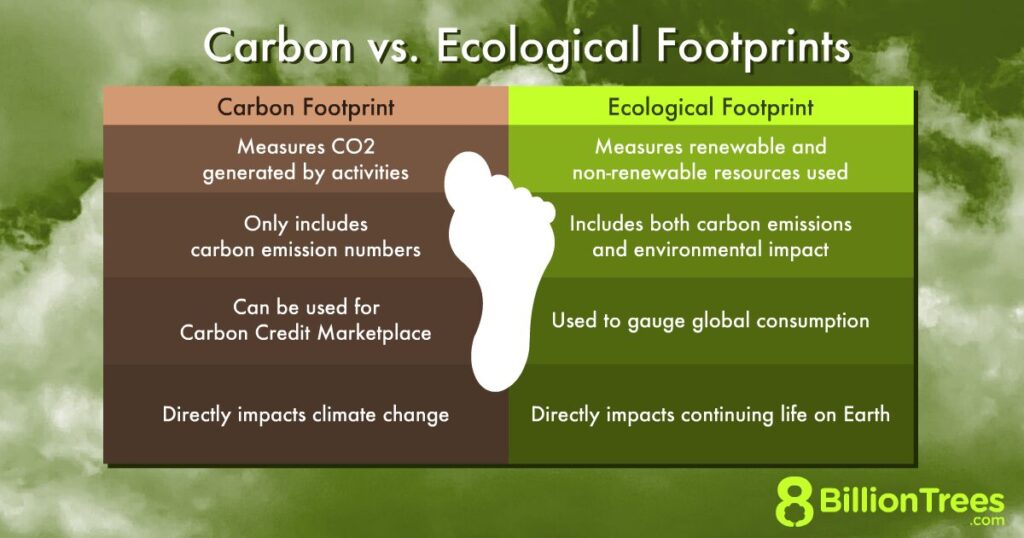
As we navigate the complexities of climate change, environmental sustainability, and consumerism, it’s essential to understand the two critical concepts that underpin our daily lives: carbon footprint and water footprint. These metrics measure our impact on the environment, helping us make informed choices about consumption, production, and waste management.
In this article, we’ll delve into the world of carbon footprint and water footprint, exploring what they are, how they’re measured, and why they matter. We’ll also discuss the implications of these concepts on sustainable living, business, and policy-making.
What is Carbon Footprint?
A carbon footprint is a measure of the total emissions of greenhouse gases (GHGs) associated with a product, organization, or service. It’s calculated in CO2 equivalent (tCO2), which allows us to express the impact of other GHGs, like methane and nitrous oxide, in terms of their equivalent CO2 emissions.
The calculation involves identifying and quantifying the consumption of raw materials and energy throughout the lifecycle of a product or process. This includes not only direct emissions but also indirect ones, such as those caused by transportation, manufacturing, and waste management.
The carbon footprint label has become an increasingly important indicator of quality and sustainability for consumers. Companies are responding to growing demand for eco-friendly products by developing robust carbon management systems, which involve identifying and implementing cost-effective measures to reduce emissions.
What is Water Footprint?
Water footprint, on the other hand, refers to the total volume of freshwater used in producing goods and services. It encompasses both direct and indirect water consumption, including evaporation and incorporation into products.
The three components of water footprint are:
- Acqua Blu: The amount of surface and groundwater used for agricultural, domestic, and industrial purposes.
- Acqua Verde: The volume of rainwater that contributes to evapotranspiration and other non-riverine uses.
- Acqua Grigia: The volume of water polluted with contaminants, requiring treatment or dilution to meet quality standards.
Water footprint assessments take into account the geographical location of water sources and aim to reduce its environmental impact by identifying areas for improvement in consumption patterns and resource management.
Why Carbon Footprint and Water Footprint Matter
Understanding carbon footprint and water footprint is crucial for several reasons:
- Climate Change: Both concepts contribute significantly to greenhouse gas emissions, which drive climate change.
- Resource Depletion: Over-reliance on finite freshwater resources can have severe consequences for ecosystems, human health, and the economy.
- Sustainable Development: By recognizing the environmental impact of our daily choices, we can adopt more sustainable lifestyles, support businesses that prioritize eco-friendliness, and advocate for policy changes that promote environmentally conscious practices.
Implications for Sustainable Living
Embracing carbon footprint and water footprint requires a fundamental shift in how we consume, produce, and manage resources. This involves:
- Reducing Consumption: Adopting minimalism, buying second-hand, or choosing products with lower environmental impact.
- Increasing Efficiency: Improving energy efficiency in homes and businesses, investing in renewable energy sources, and promoting sustainable agriculture practices.
- Supporting Sustainable Business: Encouraging companies to adopt environmentally friendly policies, sourcing products from eco-conscious suppliers, and advocating for better waste management infrastructure.
The Impact of Carbon Footprint on Climate Change
Carbon footprint is a key driver of greenhouse gas emissions, which contribute significantly to climate change. The effects of climate change are far-reaching and devastating, including:
- Rising Global Temperatures: The average global temperature has risen by 1°C since the late 19th century.
- Sea-Level Rise: Oceans have risen by about 15-20 cm over the past century.
- Extreme Weather Events: Climate change is linked to an increase in extreme weather events, such as heatwaves, droughts, and heavy rainfall.
The Impact of Water Footprint on Ecosystems
Water footprint has a significant impact on ecosystems, including:
- Freshwater Depletion: Over-reliance on freshwater resources can lead to depletion, causing ecosystem disruptions and human health issues.
- Water Pollution: Contaminants in water sources can harm aquatic life and human health.
- Loss of Biodiversity: Changes in water availability can lead to the loss of biodiversity.
The Role of Governments in Addressing Climate Change through Carbon Footprint Policies
Governments play a crucial role in addressing climate change by implementing policies that promote sustainable practices. These include:
- Carbon Pricing: Implementing carbon pricing mechanisms, such as carbon taxes or cap-and-trade systems.
- Renewable Energy Targets: Setting targets for renewable energy production to reduce dependence on fossil fuels.
- Green Infrastructure: Investing in green infrastructure, such as green roofs and urban forests.
The Role of Governments in Addressing Water Scarcity through Water Footprint Policies
Governments can also address water scarcity by implementing policies that promote sustainable practices. These include:
- Water Conservation Measures: Implementing measures to conserve water, such as low-flow appliances and efficient irrigation systems.
- Water Recycling: Investing in water recycling technologies to reduce wastewater treatment costs.
- Watershed Management: Implementing watershed management practices to protect water sources from pollution.
Conclusion
Understanding carbon footprint and water footprint is crucial for making informed decisions about consumption, production, and waste management. By recognizing the impact of our daily choices on the environment, we can adopt more sustainable lifestyles, support businesses that prioritize eco-friendliness, and advocate for policy changes that promote environmentally conscious practices.
Frequently Asked Questions
- What is the difference between carbon footprint and water footprint?
Carbon footprint measures greenhouse gas emissions, while water footprint assesses freshwater consumption. - How do I calculate my own carbon footprint?
Use online tools or consult with a sustainability expert to determine your personal carbon footprint based on energy consumption, transportation, and other factors. - What can I do to reduce my water footprint?
Implement water-saving measures in your home, support companies that prioritize water efficiency, and advocate for better waste management infrastructure. - How does the carbon footprint label impact consumer choice?
The label has become an important indicator of quality and sustainability, driving demand for eco-friendly products and encouraging businesses to develop more sustainable practices. - What role do governments play in addressing climate change through carbon footprint policies?
Governments can implement regulations, incentives, and education campaigns to promote environmentally conscious behaviors, support businesses that prioritize sustainability, and ensure that individuals have access to resources for reducing their environmental impact.
By understanding the complexities of carbon footprint and water footprint, we can make informed decisions that benefit both people and the planet.


