
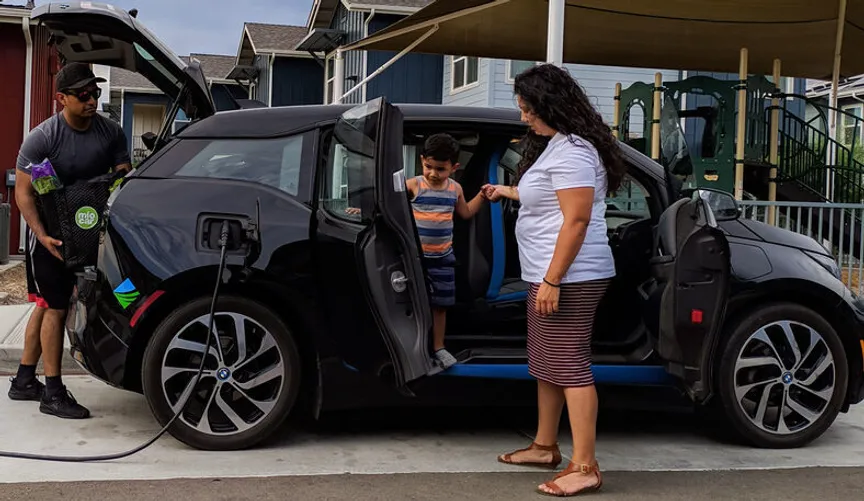
As we navigate our daily lives in increasingly congested cities, one question stands out: how is car sharing changing our mobility? This is a question that Carlo Iacovini’s book, “Car Sharing,” aims to answer. Published by Edizioni Ambiente this summer, this comprehensive guide delves into the world of car sharing and its impact on our daily lives.
What is Car Sharing?
The concept of car sharing has been gaining momentum in recent years, with many cities around the world embracing this innovative approach to transportation. But what exactly is car sharing, and how does it work?
According to Carlo Iacovini, a leading expert in the field, car sharing can be a convenient solution for individuals who need access to a car but don’t want to own one outright. The economic benefits of car sharing are substantial, with lower costs compared to owning and maintaining an automobile.
From a sustainability perspective, car sharing offers several advantages. By reducing the number of private vehicles on the road, car sharing helps minimize greenhouse gas emissions and other negative environmental impacts associated with car ownership.
In terms of livability, car sharing also has a significant impact. By providing access to cars without the need for personal ownership, car sharing can help alleviate traffic congestion and promote more efficient use of urban space.
The Benefits of Car Sharing
So, what are the benefits of car sharing? Carlo Iacovini highlights several key advantages:
- Economic benefits: Lower costs compared to owning and maintaining an automobile
- Sustainability: Reduces greenhouse gas emissions and other negative environmental impacts
- Livability: Alleviates traffic congestion and promotes more efficient use of urban space
The Future of Car Sharing
But car sharing is not just a trend – it’s a revolution. According to Iacovini, the future of transportation will be shaped by car sharing, with many cities already embracing this innovative approach.
In “Car Sharing,” Iacovini delves into the world of international experiences, examining successes and challenges faced by cities around the world. From Italy to the United States, he explores the latest developments in car sharing, including initiatives like Zipcar.
A Comprehensive Guide to Car Sharing
“Car Sharing: Come la sharingeconomy cambia la nostra mobilità” is a comprehensive guide to car sharing that covers everything from its history and economic benefits to its impact on livability. With its engaging writing style and accessible language, this book is perfect for anyone looking to learn more about car sharing.
International Examples
Car sharing has gained significant traction in cities around the world, with many countries adopting innovative approaches to transportation. Here are a few international examples:
- Italy: The city of Milan launched a comprehensive car-sharing program in 2008, which has since been replicated in other Italian cities.
- United States: Zipcar, one of the first car-sharing services in the US, was founded in 2000 and has since expanded to over 600 cities across North America.
- China: The city of Shanghai launched a massive car-sharing program in 2011, which has helped reduce traffic congestion and promote sustainable transportation.
Challenges and Opportunities
While car sharing offers many benefits, there are also challenges and opportunities that need to be addressed. Here are a few key considerations:
- Regulatory frameworks: Governments need to create regulatory frameworks that support the growth of car-sharing services.
- Public acceptance: Car sharing requires public acceptance and trust in order to succeed.
- Infrastructure development: Cities need to invest in infrastructure to support the growth of car-sharing services.
Case Studies
Here are a few case studies that demonstrate the impact of car sharing on cities around the world:
- Milan, Italy: The city’s car-sharing program has reduced traffic congestion and promoted more efficient use of urban space.
- San Francisco, California: Zipcar’s expansion to San Francisco helped reduce traffic congestion and promote sustainable transportation.
- Shanghai, China: The city’s massive car-sharing program has helped reduce traffic congestion and promote more efficient use of urban space.
Conclusion
In conclusion, car sharing is no longer just a trend – it’s a revolution. With its many benefits and innovative approach to transportation, car sharing is set to change the way we move around our cities. Whether you’re an expert in the field or just starting to explore the world of car sharing, “Car Sharing: Come la sharingeconomy cambia la nostra mobilità” is a must-read.
Frequently Asked Questions
Here are some frequently asked questions about car sharing:
- What is car sharing?
Car sharing is a transportation model that allows individuals to access cars without the need for personal ownership. - How does car sharing work?
Car sharing typically involves renting cars on an hourly or daily basis, with members able to use multiple vehicles throughout their membership period. - What are the benefits of car sharing?
The benefits of car sharing include economic benefits, sustainability, and improved livability. - Is car sharing suitable for everyone?
Car sharing may not be suitable for everyone, particularly those who require access to a car on a regular basis for work or other purposes. - How can I learn more about car sharing?
There are many resources available online that provide information and insights into the world of car sharing, including books like “Car Sharing: Come la sharingeconomy cambia la nostra mobilità.”
Additional Resources
If you’re interested in learning more about car sharing, here are some additional resources to get you started:
- Books
- “The Car Sharing Revolution” by Carlo Iacovini
- “Car Sharing: A Guide to the Future of Transportation”
- Websites
- Social Media
- Follow Carlo Iacovini on Twitter: @carloiacovini
- Join the car sharing community on Facebook: www.facebook.com/carsharing


