
Converting Your Car into an Electric Vehicle: A Comprehensive Guide
Introduction
The world of transportation is undergoing a significant transformation, with electric vehicles (EVs) becoming increasingly popular as a sustainable and efficient alternative to traditional gasoline-powered cars. With the rise of EVs, many car owners are wondering if they can convert their existing vehicle into an electric model. In this comprehensive guide, we will explore the key components of an electric vehicle, the importance of a complete kit, real-life examples, and the benefits of converting your car into an electric vehicle.
Understanding the Components of an Electric Vehicle
Before diving into the world of EVs, it’s essential to understand the key components that make them tick. These include:
- Charging System: This includes the unit that supplies power to recharge the battery.
- Battery: The energy storage system that powers the vehicle.
- Electric Motor: The component that converts electrical energy into mechanical energy.
- Control System: This includes the system that regulates the flow of energy and ensures safe operation.
- Transmission System: This is responsible for transmitting power from the motor to the wheels.
The Importance of a Complete Kit of E-V Components
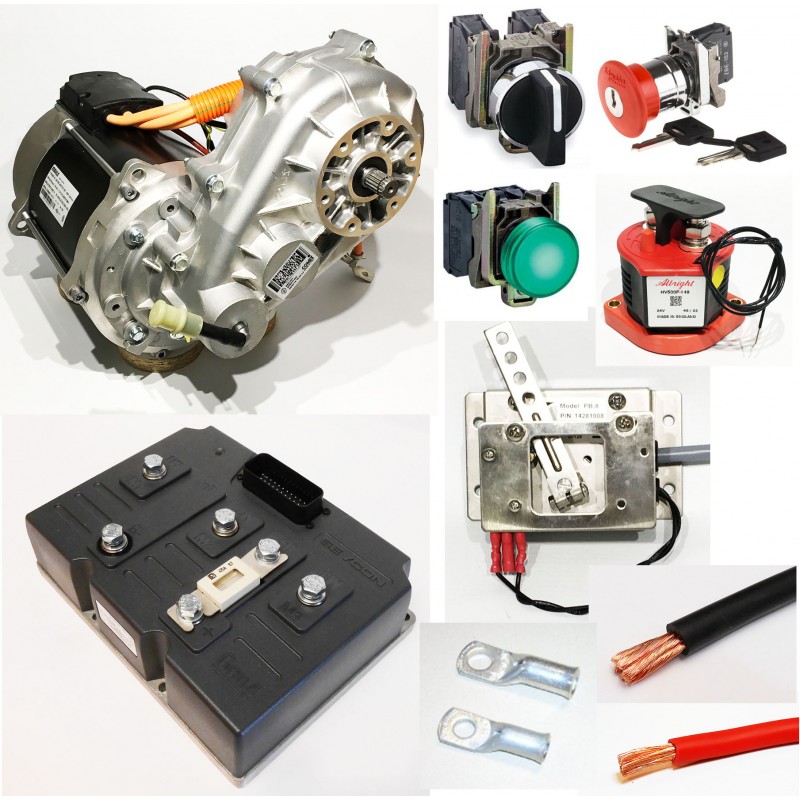
To convert your car into an electric vehicle, you’ll need a comprehensive kit that includes all these components. A complete kit will ensure that your vehicle is safe, efficient, and environmentally friendly. Without a complete kit, converting your car into an electric vehicle can be a complex and potentially dangerous process.
Real-Life Examples: The Eurozev Project
The Eurozev association has successfully converted several classic cars into electric vehicles using their kits. For instance, they transformed a 500 into a Fiat Elettrica by installing a 13kW motor, batteries, a controller, and other necessary components.
Components of a Complete Kit of E-V Components
A typical kit for converting a car into an electric vehicle includes:
- Motor: This is the component that converts electrical energy into mechanical energy. In the example mentioned earlier, the Eurozev team used a 13kW motor.
- Batteries: These are the energy storage systems that power the vehicle. The Eurozev team installed batteries with a capacity of 100 Ah and a voltage of 96V.
- Controller: This unit regulates the flow of energy and ensures safe operation. In this case, they used a controller with a capacity of 600 Ampere.
- Transformer: This is necessary for converting DC power to AC power for various electrical components such as lights, indicators, and accessories.
- Charger: This component is responsible for recharging the batteries.
Benefits of Converting Your Car into an Electric Vehicle
Converting your car into an electric vehicle can have several benefits, including:
- Environmental Benefits: Electric vehicles produce zero tailpipe emissions, reducing greenhouse gas emissions and air pollution.
- Lower Operating Costs: Electric vehicles are generally cheaper to run, with lower fuel costs and reduced maintenance needs.
- Improved Performance: Electric vehicles tend to be more responsive and have a smoother acceleration than traditional gasoline-powered cars.
Conclusion
Converting your car into an electric vehicle is a complex process that requires specialized knowledge and equipment. However, with the right kit of components and a bit of expertise, you can enjoy the benefits of an environmentally friendly and efficient mode of transportation.
Frequently Asked Questions
- What are the main components of an electric vehicle kit?
A typical kit includes a motor, batteries, controller, transformer, charger, and transmission system. - How do I choose the right electric vehicle kit for my needs?
Consider factors such as your budget, driving habits, and environmental concerns when selecting a kit. - What are the benefits of converting my car into an electric vehicle?
Electric vehicles offer environmental benefits, lower operating costs, and improved performance. - Can I install an electric vehicle kit in any car?
Not all cars can be converted into electric vehicles. Consult with a professional to determine if your car is suitable for conversion. - What are the safety considerations when converting my car into an electric vehicle?
Ensure that you follow proper safety protocols and guidelines to avoid electrical shock or other hazards.
Costs Involved
Converting your car into an electric vehicle can be a costly process. The cost of the kit, labor costs for installation, and potential repair costs are all factors to consider. It’s essential to weigh the pros and cons before making a decision.
Safety Considerations
When converting your car into an electric vehicle, it’s crucial to follow proper safety protocols and guidelines to avoid electrical shock or other hazards. Ensure that you have the necessary skills and knowledge to complete the conversion safely.
Regulations and Laws
There are various regulations and laws surrounding electric vehicles in different regions. It’s essential to research and understand local laws and regulations before converting your car into an electric vehicle.
Conclusion
Converting your car into an electric vehicle is a complex process that requires specialized knowledge and equipment. However, with the right kit of components and a bit of expertise, you can enjoy the benefits of an environmentally friendly and efficient mode of transportation.
By understanding the key components of an electric vehicle, the importance of a complete kit, real-life examples, and the benefits of converting your car into an electric vehicle, you can make an informed decision about whether or not to convert your existing vehicle.



