
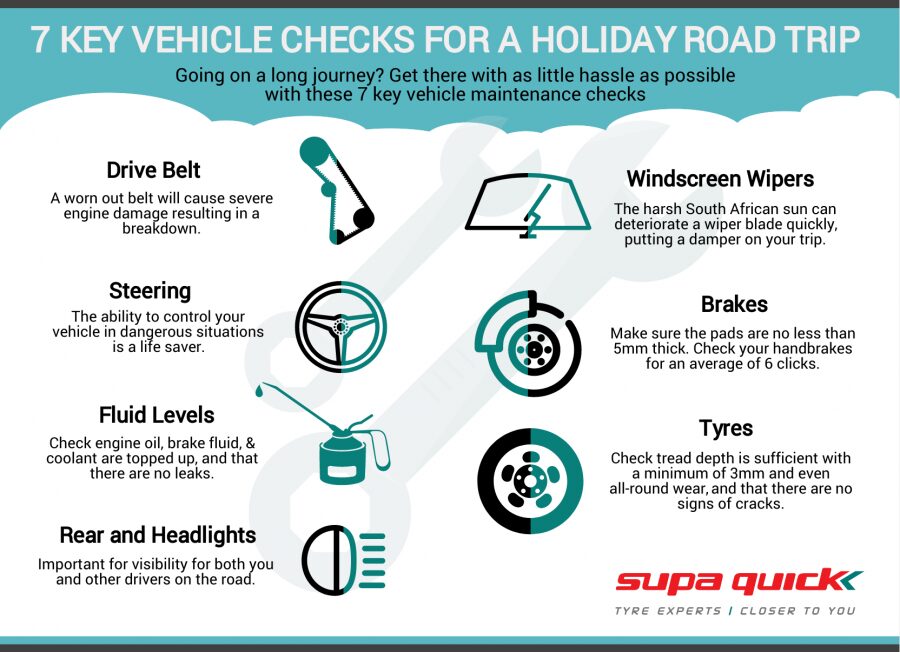
Are you ready to hit the road for your summer vacation? Before embarking on your journey, it’s essential to give your vehicle a thorough check-up. In this article, we’ll guide you through the key checks to ensure your car is in top condition and ready for the open road.
The Importance of Regular Maintenance
Regular maintenance is crucial to prevent breakdowns, reduce fuel consumption, and keep your car running smoothly. By following these simple checks, you can save money on fuel costs and avoid costly repairs down the line.
I. Checking the Basics: Oil and Water
Before starting your engine, make sure to check the oil and water levels in your vehicle’s system. The oil level is easily accessible through the dipstick located near the front of the car. If the level is low, add the recommended type and amount of oil. Remember that using the wrong type of oil can damage your engine.
It’s also essential to check the coolant level, which should be at or above the minimum mark on the reservoir. Low coolant levels can cause overheating, which can lead to costly repairs.
II. Tyres and Wheels
Next up are the tyres and wheels. Check the tread depth to ensure it’s at least 1.6 mm (€78 fine if it’s not). Also, check the pressure when the car is cold, as specified in the owner’s manual. Make sure the bullion nuts on your wheels are securely tightened.
It’s also a good idea to inspect the tyres for any signs of wear, such as uneven tread wear or bulges. If you notice any issues, it’s best to replace the tyres immediately to ensure your safety on the road.
III. Brakes and Suspension
The quality of your brakes can be determined by how well they perform under stress. Check the pedal feel, braking distance, and any unusual noises coming from the wheels. If you notice any issues, it may be time to replace the brake pads or discs.
Additionally, check the suspension system for any signs of wear or damage. A worn-out suspension system can cause uneven tire wear, reduced handling, and increased risk of a blowout.
IV. Safety Features: Seatbelts, Airbags, and Emergency Equipment
Ensure all seatbelts are securely fastened, especially when traveling with children. Also, check that airbags are functioning properly and that your vehicle is equipped with an emergency kit containing a fire extinguisher, first aid kit, and warning triangles.
It’s also essential to check the condition of your spare tire and ensure it’s inflated and in good condition. A well-maintained spare tire can save you from being stranded on the side of the road.
V. Electrical Systems: Batteries, Fuses, and Lights
Take a look at your car’s electrical system by checking the battery terminals, fuses, and lights. Make sure all lights are functioning correctly, including headlights, taillights, and brake lights.
It’s also essential to check the battery condition and charge level. A dead battery can leave you stranded on the side of the road with no way to start your car.
VI. Climate Control and Child Safety Seats
Check that your air conditioning is working properly and that the filter is clean. Also, ensure child safety seats are installed correctly and securely fastened to the seat.
It’s also essential to check the condition of your windshield wipers and replace them if they’re worn out or damaged. Clean wipers can improve visibility and reduce the risk of an accident.
VII. Fuel Efficiency: Load Carriage and Headwinds
Load your car carefully to avoid unnecessary weight, which can decrease fuel efficiency. Additionally, try to minimize headwinds while driving, as they can cause increased drag and decreased speed.
It’s also essential to check your vehicle’s fuel capacity and ensure you’re filling up with the recommended type of fuel. Using the wrong type of fuel can decrease fuel efficiency and reduce the lifespan of your engine.
VIII. Driving Habits: Speed and Gear Selection
By driving at a moderate pace (around 100 km/h) instead of 130 km/h on highways, you can save up to 2 liters of fuel per 100 kilometers. Additionally, shifting into higher gears more frequently will also help reduce fuel consumption.
It’s also essential to avoid aggressive driving habits, such as speeding or rapid acceleration, which can decrease fuel efficiency and increase the risk of an accident.
IX. Vehicle Inspection: Under the Hood
Take a closer look under the hood of your car to check for any signs of wear or damage. Check the condition of the belts, hoses, and other components that are prone to failure.
It’s also essential to check the engine oil filter and replace it if necessary. A dirty engine oil filter can decrease fuel efficiency and reduce the lifespan of your engine.
X. Vehicle Inspection: Under the Car
Take a closer look under the car to check for any signs of wear or damage. Check the condition of the shock absorbers, struts, and springs.
It’s also essential to check the condition of the brake pads and discs. Worn-out brake pads can cause uneven braking and increase the risk of an accident.
Conclusion
A well-maintained vehicle is essential for a safe and enjoyable vacation. By following these simple checks and tips, you’ll be able to identify potential issues before they become major problems. Remember to check your oil and water levels regularly, inspect your tyres and wheels, and ensure all safety features are functioning properly.
Additionally, take the time to inspect your vehicle’s electrical system, climate control, and child safety seats. Load your car carefully and try to minimize headwinds while driving. By following these simple checks and tips, you’ll be able to enjoy a safe and stress-free journey with your family and friends.
FAQs
- What is the importance of regular maintenance?
Regular maintenance can prevent breakdowns, reduce fuel consumption, and keep your car running smoothly. - How often should I check my oil and water levels?
It’s recommended to check your oil and water levels every time you fill up with gas or before long trips. - Can I drive without checking my tire pressure?
Driving on under-inflated tires can lead to reduced fuel efficiency, uneven tire wear, and increased risk of a blowout. - How do I know if my brakes need replacing?
Check the pedal feel, braking distance, and any unusual noises coming from the wheels to determine if your brake pads or discs are worn out. - What’s the best way to carry heavy loads in my car?
Load your car carefully to avoid unnecessary weight, which can decrease fuel efficiency. - Can I drive with a full load on highways?
Driving with a full load on highways can cause increased drag and decreased speed, leading to reduced fuel efficiency. - How do I save money on fuel costs?
Drive at moderate speeds (around 100 km/h), shift into higher gears more frequently, and avoid unnecessary weight in your car. - What’s the most effective way to reduce fuel consumption?
By driving smoothly, maintaining proper tire pressure, and avoiding idling for extended periods, you can significantly reduce your fuel consumption.
Additional Tips
- Keep a maintenance log to track your vehicle’s maintenance history.
- Consider using a fuel efficiency app or device to monitor your fuel consumption.
- Regularly wash and wax your car to protect the paint and exterior surfaces from damage.
- Use high-quality fuel additives to improve fuel efficiency and engine performance.
- Avoid driving in extreme weather conditions, such as heavy rain or snow, unless absolutely necessary.
By following these simple checks and tips, you’ll be able to enjoy a safe and enjoyable vacation with your family and friends. Happy travels!


