
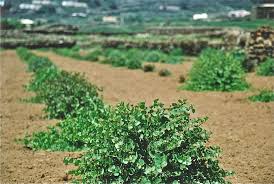
As a staple in Mediterranean cuisine, capers have become increasingly popular among home gardeners and cooks alike. With their unique flavor and versatility, it’s no wonder why many are seeking information on how to cultivate and harvest these tiny pickled flower buds. In this comprehensive guide, we’ll explore the basics of growing capers, from choosing the right location to harvesting at the perfect time.
Understanding Capers
Before diving into the nitty-gritty of growing capers, it’s essential to understand a bit about what they are and how they’re used. Capers are pickled flower buds that add a burst of flavor to various dishes, from appetizers to main courses. They have a unique, tangy taste that pairs well with olive oil, garlic, and lemon juice.
Capers come in different varieties, including:
- Brown capers: These are the most commonly available type and have a rich, nutty flavor.
- Black capers: These have a slightly sweet and fruity flavor profile.
- White capers: These are young, immature buds that have not yet been pickled.
- Green capers: These are harvested when they’re still green and have a milder flavor.
Choosing the Right Location
When it comes to growing capers, location plays a crucial role. Capers thrive in well-draining soil with full sun exposure. Ideally, they should be planted near walls or fences to provide protection from strong winds. The south-facing side of your garden is perfect for growing capers, as they receive direct sunlight throughout the day.
Preparing the Soil
Before planting capers, ensure that your soil is rich in organic matter and has good drainage. Mix equal parts of composted soil and sand for a well-balanced substrate. This will help prevent waterlogged soil, which can lead to root rot and other issues.
Here are some tips for preparing the soil:
- Test your soil pH: Capers prefer a slightly acidic to neutral soil pH (around 6.0-7.0).
- Add organic matter: Incorporate compost or well-rotted manure into your soil to improve its structure and fertility.
- Avoid over-tilling: Minimize tilling to prevent damage to the roots of your caper plants.
Sowing Capers
To sow capers, you’ll need to obtain fresh seeds or purchase seedlings from a reputable supplier. If using seeds, wait until they’re dry and weathered before sowing them indoors. Sow the seeds about ¼ inch deep in a pot filled with your prepared substrate. Keep the soil moist but not waterlogged, and maintain a temperature of around 65°F (18°C).
Tips for Sowing Capers
- Only use healthy, disease-free seedlings or fresh seeds: This will ensure that your caper plants are free from pests and diseases.
- Plant the seedlings at least 10 inches apart: This will prevent overcrowding and promote healthy growth.
- Keep the soil consistently moist during the first few weeks after sowing: This will help the seeds germinate and establish themselves.
Harvesting Capers
Capers are ready to harvest when they’re young and tender. The ideal time for harvesting depends on your climate, but generally, it’s between late spring and early autumn. Cut off the buds at the base of the stem, leaving a small portion of the stem intact. This will encourage the plant to produce new growth.
Tips for Harvesting Capers
- Harvest capers in the morning: This is when they’re at their highest concentration of flavor.
- Use scissors or pruning shears to cut off the buds: Be careful not to damage the stem, as this can lead to reduced growth.
- Dry the harvested capers immediately: This will help preserve them for later use.
Characteristics and Properties
Capers are rich in nutrients, including:
- Fiber: Capers contain dietary fiber, which can help promote digestive health.
- Vitamins and minerals: They’re a good source of vitamins C and E, as well as minerals like potassium and magnesium.
- Antioxidants: Capers contain compounds that may help reduce inflammation and improve digestion.
Using Capers in Cooking
Capers add a unique flavor to various dishes, from appetizers to main courses. Use them to make sauces, marinades, or simply sprinkle them on top of your favorite dishes. Some popular ways to use capers include:
- Making pasta sauces with garlic and olive oil: Add chopped capers to your pasta sauce for a burst of flavor.
- Adding them to salads: Capers pair well with ingredients like cherry tomatoes, olives, and feta cheese.
- Using them as a topping for pizza or flatbreads: Sprinkle capers on top of your favorite pizza or flatbread toppings for added flavor.
Conclusion
Growing capers is relatively easy, but it does require attention to detail and patience. By following these guidelines and tips, you’ll be able to cultivate healthy and flavorful caper plants. Whether you’re a seasoned gardener or just starting out, growing capers can add a new dimension to your cooking repertoire.
FAQs
- Q: Where can I grow capers in the UK?
A: Capers thrive in well-draining soil with full sun exposure. They prefer temperatures between 10°C (50°F) and 20°C (68°F). The south-facing side of your garden is ideal for growing capers. - Q: How often should I water my caper plants?
A: Water your caper plants regularly, but avoid overwatering. Aim to keep the soil consistently moist but not waterlogged. - Q: Can I grow capers indoors?
A: Yes, you can grow capers indoors using a well-draining potting mix and adequate sunlight. However, they require more attention and care than outdoor plants. - Q: How long does it take for caper plants to produce fruit?
A: Caper plants typically take 6-12 months to mature after sowing seeds or purchasing seedlings. - Q: Can I use capers in recipes year-round?
A: Yes, you can use fresh or dried capers throughout the year, but they’re most flavorful when harvested during their peak season (late spring and early autumn).
Common Issues and Solutions
- Pests: Keep an eye out for pests like aphids, whiteflies, and spider mites. Use organic pest control methods whenever possible.
- Diseases: Regularly inspect your caper plants for signs of disease. Treat fungal infections promptly to prevent damage.
- Nutrient deficiencies: Monitor your soil pH and nutrient levels regularly. Adjust as necessary to ensure optimal growth.
Conclusion
Growing capers is a rewarding experience that can add a new dimension to your cooking repertoire. By following these guidelines and tips, you’ll be able to cultivate healthy and flavorful caper plants. Whether you’re a seasoned gardener or just starting out, growing capers is worth the effort. Happy gardening!


