
As a health-conscious individual, it’s natural to be curious about the benefits and properties of different oils. One such oil that has gained popularity in recent years is canola oil. But how does it compare to other vegetable oils? What are its nutritional benefits, and what makes it a popular choice for cooking and baking? In this article, we’ll delve into the world of canola oil, exploring its history, properties, and uses.
The Origins of Canola Oil
Canola oil is derived from the seeds of the Brassica napus plant, which is also used to produce rapeseed oil. However, not all canola oil is created equal. To be labeled as “canola,” the oil must contain less than 2% erucic acid and 30 micromoles of glucosinolates. This process involves genetic modification, which has sparked controversy among some consumers.
The History of Canola Oil
Canola oil has its roots in Canada, where it was first developed in the 1970s as a low-erucic-acid variety of rapeseed. The name “canola” is derived from the Canadian word for rapeseed, which is “canola” or “Canadian oil, low acid.” Over time, canola oil has become a popular choice for cooking and baking due to its neutral flavor and versatility.
The Benefits of Canola Oil
Research suggests that canola oil may have several health benefits. A 2013 study published in the Journal of Nutrition found that consuming canola oil reduced total cholesterol and LDL (“bad”) cholesterol levels. Additionally, canola oil is rich in omega-6 and omega-3 fatty acids, which can help lower triglycerides and reduce inflammation.
However, some critics argue that the processing of canola oil can negate its health benefits. The refining process often involves high temperatures and chemicals, which can damage the oil’s nutritional content. Moreover, canola oil contains a compound called canolol, which has antioxidant properties but is also present in smaller amounts in other oils.
The Nutritional Profile of Canola Oil
Canola oil’s nutritional profile varies depending on the processing methods used. However, here are some approximate values:
- Acidity: 61% (omega-9), 21% (omega-6), 11% (omega-3)
- Saturated fats: 7%
- Palmitic acid: 4%
- Stearic acid: 2%
- Trans fats: 0.4%
Canola Oil vs. Other Vegetable Oils
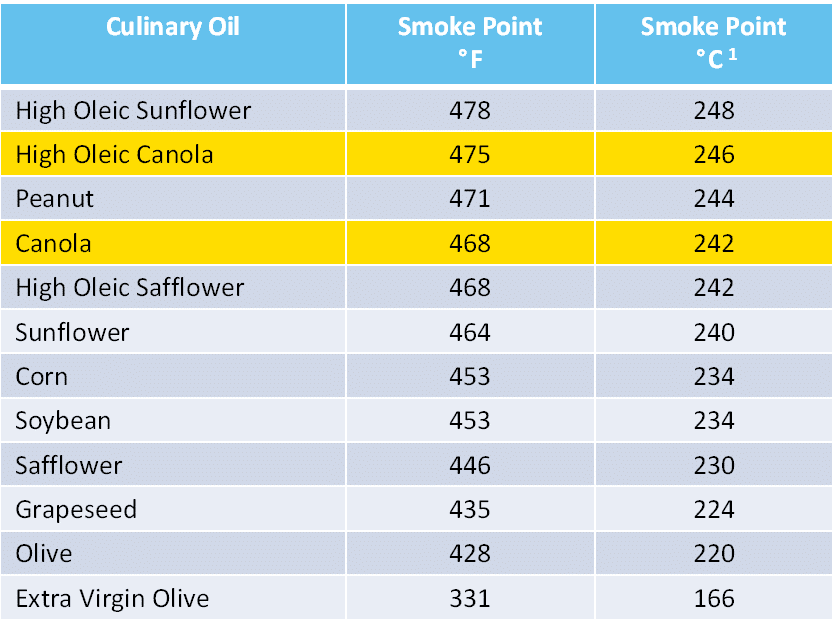
When it comes to other vegetable oils, canola oil has a relatively high smoke point (204°C), making it suitable for frying and sautéing. However, its performance in baking is limited due to its low viscosity.
In comparison to other popular cooking oils, canola oil has a similar neutral flavor profile to olive oil but with a higher smoke point. Avocado oil, on the other hand, has a distinct nutty flavor that may not be suitable for all recipes.
Genetically Modified Canola: A Controversial Topic
The use of genetically modified organisms (GMOs) in canola production has raised concerns among some consumers. While the majority of GMOs used in canola production are patented and controlled by large corporations, others may be open-source and available for public use.
The Risks Associated with Genetic Modification
There is ongoing debate about the potential risks associated with genetic modification. Some critics argue that GMOs can lead to unintended consequences, such as pesticide resistance or altered nutritional content. However, most scientific organizations, including the World Health Organization (WHO) and the American Medical Association (AMA), have concluded that genetically modified foods are safe for human consumption.
Where to Buy Canola Oil
Canola oil is widely available in most supermarkets, often marketed as “rapso” in Germany or under other names in different regions. In Italy, however, it’s not always easy to find high-quality canola oil with minimal processing.
When purchasing canola oil, look for products from reputable manufacturers that adhere to strict quality control standards. Some popular brands include Gold Standard, Nature’s Choice, and Bob’s Red Mill.
Cooking and Baking with Canola Oil
Canola oil is a versatile cooking oil that can be used for both savory and sweet dishes. Its neutral flavor makes it an excellent choice for frying, baking, and making sauces. For vegans, canola oil is a popular substitute for butter in many recipes.
Some popular uses for canola oil include:
- Frying: Canola oil has a high smoke point, making it ideal for frying foods like french fries and fried chicken.
- Baking: While canola oil may not be the best choice for all baked goods, it can be used as a substitute for butter or other oils in many recipes.
- Sauces and dressings: Canola oil’s neutral flavor makes it an excellent base for sauces and dressings like salad dressings and marinades.
Health Considerations
While canola oil has several health benefits, it is essential to consume it in moderation due to its high calorie content. A 1-tablespoon serving of canola oil contains approximately 120 calories.
Additionally, some individuals may be allergic or intolerant to canola oil. If you experience any adverse reactions after consuming canola oil, consult with a healthcare professional for guidance.
Conclusion
Canola oil has gained popularity in recent years due to its potential health benefits and versatility in cooking. However, the processing of this oil can have negative consequences on its nutritional content. As with any food product, it’s essential to choose high-quality canola oil from reputable manufacturers and be aware of its limitations.
Frequently Asked Questions
- What is the difference between canola oil and rapeseed oil?
Canola oil is a specific type of oil derived from the Brassica napus plant, while rapeseed oil is another name for canola oil. - Is canola oil a healthy choice?
Canola oil may have health benefits due to its high levels of omega-6 and omega-3 fatty acids. However, processing and refining can negate these benefits. - What are the negative effects of genetically modified canola?
Some critics argue that GMOs used in canola production can lead to environmental concerns and potential health risks. - Is it true that processed canola oil contains toxic compounds?
While some chemicals may be present in processing, there is limited evidence to support claims that these toxins are present in significant quantities. - How do I choose high-quality canola oil?
Look for products from reputable manufacturers and check the label for minimal processing and no added preservatives or chemicals. - Can canola oil be used for baking?
While canola oil may not be the best choice for all baked goods due to its limited performance in certain recipes, it can be used as a substitute for butter or other oils in many recipes. - What are some alternative oils to canola oil?
Other vegetable oils with similar properties include sunflower oil, soybean oil, and olive oil. - How do I store canola oil?
Proper storage conditions involve keeping the oil away from light, heat, and moisture.
By understanding the benefits, properties, and potential drawbacks of canola oil, you can make informed choices in your cooking and baking routine.


