
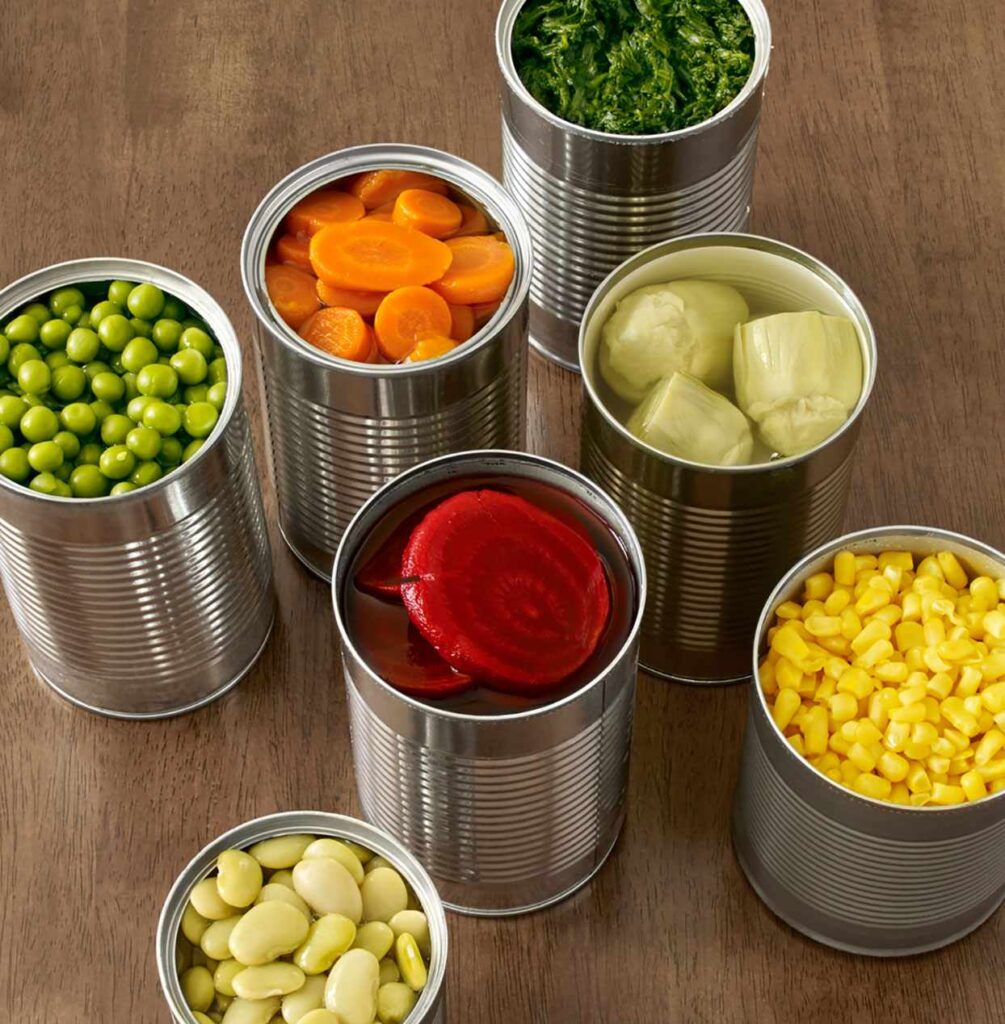
As the seasons change, and fresh produce becomes scarce, it’s time to turn to the trusted old friends of preserving vegetables. Not only do they allow us to enjoy the benefits of a long-stemmed herb year-round, but also provide an opportunity to savor the flavors of what we’ve grown or sourced.
The Benefits of Preserving Vegetables
Preserving vegetables is more than just about having a steady supply of fresh produce; it’s about unlocking the secrets of flavor, texture, and nutrition. By following simple guidelines, you can unlock the potential of your garden harvest, whether that means creating delicious sauces, soups, or simply enjoying a crunchy snack.
Choosing the Right Containers
The type of container you choose will greatly impact the success of your preservation efforts. For glass jars, look for ones with screw-on lids and rubber seals to ensure a tight seal and prevent spoilage. Wooden containers are ideal for storing pickled vegetables like cucumbers and sauerkraut.
Sterilizing Your Containers
Before filling those containers, make sure they’re clean and sterile! Sterilization will prevent any unwanted bacteria or yeast from spoiling your hard work.
What You Need to Know About Sterilizing Glass Jars
Sterilizing glass jars requires a bit of effort but is well worth it. Here’s what you need to know:
- Use hot water and soap to clean the jars thoroughly.
- Dry the jars completely before sterilization using heat from a candle flame or oven (350°F for 30 minutes).
- Once dry, place them in a pot of boiling water for 10-15 minutes.
Preserving Different Types of Vegetables
Here’s what you need to know about preserving specific vegetables:
Pomodori (Tomatoes)
For pickling tomatoes, use an acidic vinegar-based solution. Combine equal parts of water and white vinegar in a saucepan and add 1 tablespoon of salt for every quart of liquid. Bring the mixture to a boil and then remove it from heat.
Zucchine e Carciofi (Zucchini and Artichokes)
For pickling zucchinis and artichokes, combine equal parts of water and white vinegar in a saucepan with 1 tablespoon of salt for every quart. Bring the mixture to a boil, then remove it from heat.
Melanzane e Peperoni (Eggplant and Bell Peppers)
For pickling eggplant and bell peppers, use an acidic vinegar-based solution similar to tomatoes.
Carciofi al Naturale
To preserve artichokes without added salt or sugar, combine equal parts of water and lemon juice in a saucepan with 1 tablespoon of olive oil for every quart. Bring the mixture to a boil, then remove it from heat.
Tips and Tricks
Here are some valuable tips and tricks to keep in mind:
- Temperature Control: Always follow temperature guidelines when preserving vegetables.
- Salt Levels: Don’t overdo it on the salt – just enough will do.
- Ventilation: Make sure your containers have proper ventilation to prevent spoilage.
Frequently Asked Questions
Here are some answers to common questions you may have:
Q: What’s the best way to preserve carrots?
A: Carrots can be pickled in a vinegar-based solution with 1 tablespoon of salt for every quart of liquid.
Q: Can I use any type of container for preserving vegetables?
A: Glass jars and wooden containers are ideal, but always ensure they’re clean and sterilized before filling.
Q: How long do preserved vegetables last?
A: Properly stored, preserved vegetables can last several months to a year or more, depending on storage conditions and handling.
Conclusion
Preserving vegetables is an art that requires patience, practice, and the right tools. With these simple guidelines and tips, you’ll be well on your way to unlocking the secrets of this ancient practice. Happy preserving!
8 FAQs on Preserving Vegetables
- What’s the best way to preserve green beans?
- Blanch green beans in boiling water for 3-5 minutes, then immediately submerge them in an ice bath. Package them in airtight containers and store at room temperature.
- Can I use any type of vinegar for pickling?
- Not recommended. Choose vinegar with the right acidity level (5% or lower) to ensure proper preservation.
- How do I prevent spoilage when preserving vegetables?
- Always follow safe canning practices and store containers in a cool, dark place.
- Can I preserve root vegetables like beets or turnips?
- Yes! Root vegetables can be pickled with vinegar or used to make delicious sauces and soups.
- What’s the best way to preserve leafy greens like kale or spinach?
- Blanch or sauté leafy greens before storing them in airtight containers or using them immediately in recipes.
- Can I use any type of container for pickling cucumbers?
- Glass jars with screw-on lids are ideal, but always ensure they’re clean and sterilized before filling.
- How do I preserve delicate herbs like basil or parsley?
- Chop fresh herbs finely and store them in airtight containers or use them immediately in recipes.
- Can I reuse old jam jars for pickling vegetables?
- Not recommended. Old jar lids can be damaged, compromising the seal of your preserved vegetables.
Advanced Techniques
For those looking to take their preservation skills to the next level, consider trying these advanced techniques:
Canning Methods
Try using a pressure canner or a water bath canner to ensure safe and consistent results. Always follow tested recipes and guidelines for canning vegetables.
Dehydrating Vegetables
Dehydrate your favorite vegetables to create crispy snacks or add them to soups and stews. Use a dehydrator or your oven on the lowest temperature setting (150°F) with the door slightly ajar.
Freezing Vegetables
Freeze vegetables quickly by blanching them in boiling water for 3-5 minutes, then submerging them in an ice bath. Package them in airtight containers or freezer bags and store at 0°F (-18°C).
Preserving Fruit
Don’t forget about preserving fruit! Use similar techniques to those used for vegetables, with some adjustments for the specific type of fruit.
Pomodori di Pesca (Peaches)
For pickling peaches, combine equal parts of water and white vinegar in a saucepan with 1 tablespoon of salt for every quart. Bring the mixture to a boil, then remove it from heat.
Carciofi al Naturale
To preserve peaches without added sugar, combine equal parts of water and lemon juice in a saucepan with 1 tablespoon of olive oil for every quart. Bring the mixture to a boil, then remove it from heat.
Preserving Flowers
Finally, don’t overlook the beauty of preserving flowers! Use floral preservation techniques to keep your favorite blooms looking fresh and vibrant all year round.
Floral Preservation
To preserve flowers, use a combination of glycerin and vinegar in a solution. Combine equal parts of water and glycerin with 1 tablespoon of acid (vinegar or lemon juice) for every quart. Bring the mixture to a boil, then remove it from heat.
Conclusion
Preserving vegetables is an art that requires patience, practice, and the right tools. With these simple guidelines and tips, you’ll be well on your way to unlocking the secrets of this ancient practice. Happy preserving!


