
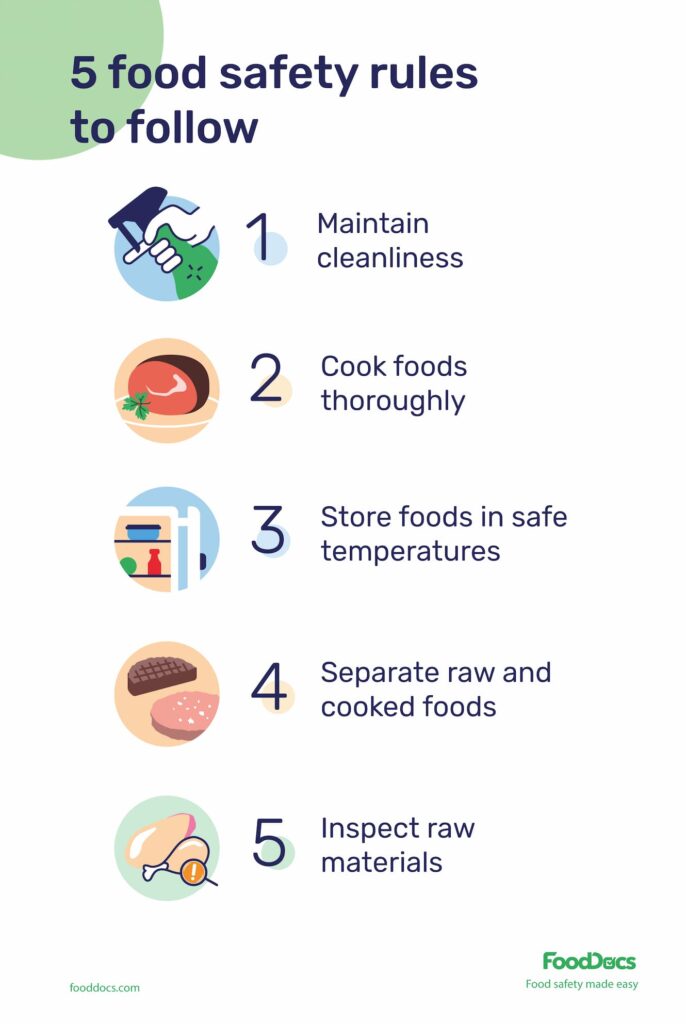
As we store food in our homes, it’s essential to ensure that these items are both properly made and properly preserved. While making food can seem like a straightforward process, the consequences of improper preservation can be severe. In this article, we’ll delve into the world of food safety and explore the rules to follow when preserving food.
The Importance of Preservation
Food preservation is crucial because it prevents the growth of microorganisms that can cause spoilage and even harm our health. When food is not properly preserved, these microorganisms can multiply rapidly, leading to a decrease in quality and potentially causing foodborne illnesses.
Food preservation also helps to reduce waste and extend the shelf life of food products. By following proper preservation methods, you can enjoy a wide variety of foods while minimizing the risk of contamination. Additionally, preserving food can help to save money by reducing the need for frequent grocery shopping trips.
Checking for Visible Signs of Spoilage
Before consuming any stored food, it’s essential to inspect the container for visible signs of spoilage. Check the exterior of the vasetto for:
- Cracks or damage to the container
- Leaks or bubbles around the rim
- A vacuum seal that has been compromised
If you notice any of these signs, it’s best to err on the side of caution and discard the contents.
Avoiding Contamination
To prevent contamination, always handle food stored in airtight containers with clean hands and utensils. Wash your hands thoroughly before and after handling food, and make sure all surfaces are cleaned and sanitized regularly.
It’s also essential to keep raw meat, poultry, and seafood separate from ready-to-eat foods to prevent cross-contamination. Use separate cutting boards, plates, and utensils for these foods to minimize the risk of contamination.
Understanding the Risks of Improper Preservation
Improper preservation can lead to the growth of microorganisms that produce toxins like botulinum. These toxins can cause severe health problems, including paralysis and even death.
Foodborne illnesses caused by improper preservation can also have a significant impact on public health and the economy. According to the Centers for Disease Control and Prevention (CDC), foodborne illnesses result in over 140,000 hospitalizations and 3,000 deaths each year in the United States alone.
Proper Storage Methods
To ensure that your stored food remains safe and fresh, follow these proper storage methods:
- Store food in a cool, dry place
- Keep containers away from direct sunlight and heat sources
- Refrigerate or freeze food to prevent bacterial growth
When storing food, it’s also essential to consider the type of container used. Glass and metal containers are ideal for storing food, as they prevent light from entering and causing spoilage.
Glass jars with tight-fitting lids are perfect for storing high-acid foods like jam, jelly, and pickles. Metal containers, such as tin cans or stainless steel containers, are suitable for storing low-acid foods like meats, vegetables, and fruits.
Using Proper Equipment
To ensure that your stored food remains safe and fresh, use proper equipment when preserving food. This includes:
- A pressure canner for low-acid foods
- A water bath canner for high-acid foods
Always follow the manufacturer’s instructions for use and maintenance of your equipment.
Consequences of Improper Preservation
Improper preservation can lead to severe consequences, including:
- Foodborne illnesses
- Economic losses due to spoilage
- Loss of trust in food products
By following proper preservation methods and storage techniques, you can help prevent these consequences and ensure that your stored food remains safe and fresh.
Conclusion
Properly preserving food is crucial for ensuring our health and well-being. By understanding the risks of improper preservation and following proper storage methods, we can enjoy a wide variety of foods while minimizing the risk of contamination.
Frequently Asked Questions (FAQs)
- What are the most common signs of spoilage in stored food?
- Visible mold or slime
- Off odors or unusual smells
- Slimy texture or sticky surface
- How often should I clean and sanitize my containers?
- After every use
- At least once a week
- Monthly
- What is the best way to store food in hot weather?
- In an air-conditioned space
- In a shaded area
- Under refrigeration
- How long can I safely store food in my refrigerator or freezer?
- 3-5 days for most foods
- Up to 6 months for frozen foods
- Depends on the type of food and storage conditions
- What should I do if I notice mold or slime on a stored food item?
- Discard the entire container
- Try to remove the mold with soap and water
- Use a food dehydrator or oven to dry out the affected area
By following these guidelines, you can ensure that your stored food remains safe and fresh for consumption. Always remember to prioritize food safety when preserving food, as it’s essential for maintaining public health and preventing economic losses.
Food Preservation Techniques
There are several techniques used in food preservation, each with its own benefits and risks. Here are some of the most common methods:
- Canning: Canning involves heating food to a high temperature to kill off microorganisms and then sealing it in an airtight container.
- Freezing: Freezing involves cooling food quickly to a temperature that prevents microbial growth. This method is ideal for preserving fruits, vegetables, and meats.
- Dehydrating: Dehydrating involves removing moisture from food to prevent microbial growth. This method is perfect for preserving fruits, vegetables, and meats.
- Pickling: Pickling involves soaking food in a brine solution (water, salt, and sometimes sugar) to create an environment that prevents microbial growth.
When choosing a preservation technique, consider the type of food, its texture, and its nutritional value. For example, freezing is ideal for preserving fruits and vegetables because it helps retain their nutrients and texture.
Common Preservation Mistakes
While following proper preservation methods can help prevent contamination, there are several common mistakes to avoid:
- Overheating: Overheating food during the preservation process can lead to spoilage and even foodborne illnesses.
- Underheating: Underheating food during the preservation process can also lead to spoilage and foodborne illnesses.
- Insufficient storage: Insufficient storage of preserved food can lead to spoilage and contamination.
- Cross-contamination: Cross-contamination between raw meat, poultry, and seafood can lead to contamination and foodborne illnesses.
By avoiding these common mistakes, you can ensure that your stored food remains safe and fresh for consumption.
Innovations in Food Preservation
In recent years, there have been several innovations in food preservation that make it easier and safer to preserve food at home. Here are some of the most notable developments:
- Vacuum sealers: Vacuum sealers use a vacuum chamber to remove air from containers, preventing moisture and contaminants from entering.
- Pressure canners: Pressure canners use high pressure to kill off microorganisms and prevent spoilage.
- Refrigerator seals: Refrigerator seals are designed to keep food fresh by preventing cold air from escaping.
- Food dehydrators: Food dehydrators use heat and air circulation to remove moisture from food, making it ideal for preserving fruits, vegetables, and meats.
These innovations have made it easier and safer to preserve food at home, allowing us to enjoy a wide variety of foods while minimizing the risk of contamination.
Future Directions in Food Preservation
As technology continues to evolve, there are several future directions in food preservation that hold promise:
- Advanced canning techniques: Advanced canning techniques involve using new materials and technologies to improve the safety and shelf life of canned goods.
- Freezer storage innovations: Freezer storage innovations involve developing new containers and techniques to improve the freshness and nutritional value of frozen foods.
- Dehydration technologies: Dehydration technologies involve using new machines and materials to remove moisture from food more efficiently, making it ideal for preserving fruits, vegetables, and meats.
- Food safety monitoring: Food safety monitoring involves developing new sensors and technologies to detect contamination and spoilage in real-time.
These future directions hold promise for improving the safety and efficiency of food preservation, allowing us to enjoy a wide variety of foods while minimizing the risk of contamination.
Conclusion
Properly preserving food is crucial for ensuring our health and well-being. By understanding the risks of improper preservation and following proper storage methods, we can enjoy a wide variety of foods while minimizing the risk of contamination.
Innovations in food preservation have made it easier and safer to preserve food at home, allowing us to enjoy a wide variety of foods while minimizing the risk of contamination.
As technology continues to evolve, there are several future directions in food preservation that hold promise. By embracing these innovations, we can ensure that our food is safe, fresh, and nutritious for consumption.
Final Thoughts
Food preservation is an essential aspect of maintaining public health and preventing economic losses. By following proper preservation methods and storage techniques, we can enjoy a wide variety of foods while minimizing the risk of contamination.
Always remember to prioritize food safety when preserving food, as it’s essential for maintaining public health and preventing economic losses.
By embracing innovations in food preservation and following future directions, we can ensure that our food is safe, fresh, and nutritious for consumption.


