
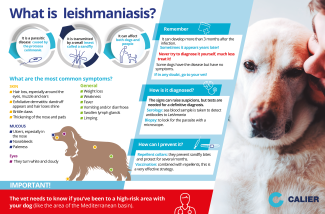
Leishmaniasis in dogs is a common zoonotic disease caused by the protozoan parasite Leishmania infantum, transmitted through the bite of infected sandflies. While it’s essential to protect your dog from sandfly bites, it’s equally crucial to recognize the early signs of infection and seek veterinary attention if you suspect any symptoms.
Introduction
Leishmaniasis is a chronic disease that affects dogs worldwide. The parasite Leishmania infantum can infect not only dogs but also cats, highlighting the importance of monitoring both species for potential infections. This disease is caused by the Leishmania genus, which includes several species that can infect dogs, including Leishmania infantum, Leishmania tropica, and Leishmania major.
Initial Symptoms: What to Look Out For
Determining the initial symptoms of leishmaniasis in dogs can be challenging due to the subtle nature of the infection. Unlike other diseases, leishmaniasis doesn’t exhibit clear-cut symptoms during the early stages. In fact, many dogs may not display any noticeable signs until the disease has progressed.
How Canine Leishmaniasis Develop?
The development of canine leishmaniasis depends on various factors, including the severity of the infection and individual dog health. In general, it can take several months to years for symptoms to appear after exposure to the parasite.
Recognizing Early Signs: What to Watch Out For
While the initial stages of leishmaniasis are often asymptomatic, certain signs can indicate potential infection. These include:
• Loss of appetite
• Muscle wasting
• Weight loss
• Fatigue
• Swelling of lymph nodes
• Depression
• Lack of enthusiasm
• Excessive nail growth
• Skin lesions
• Dry skin
• Ulcers
• Hair loss
• Eye problems (e.g., conjunctivitis, corneal ulcers)
• Lameness (due to joint pain or arthritis)
• Increased thirst and urination
• Diarrhea
• Anemia
• Vomiting
Atypical Symptoms: Keep an Eye Out for These
Some dogs may exhibit atypical symptoms that have been associated with leishmaniasis. These include:
• Epistaxis (nosebleeds)
• Difficulty clotting blood
• Wound healing issues
• Motor coordination problems
• Neurological issues
What to Do If You Suspect Leishmaniasis
If you notice any unusual signs in your dog, consult with a veterinarian immediately. They will perform diagnostic tests to determine if your dog has contracted leishmaniasis.
Diagnosis: What to Expect
The definitive diagnosis of canine leishmaniasis involves specific laboratory tests that detect the presence of the parasite or its antibodies in the dog’s system. These tests can be performed during the early stages of infection, even when symptoms are not apparent. The most common diagnostic methods include:
• Polymerase chain reaction (PCR) test
• Immunofluorescence antibody test (IFA)
• ELISA (enzyme-linked immunosorbent assay) test
Treatment and Management
Leishmaniasis is a chronic disease that requires long-term management and treatment. The goal of treatment is to alleviate symptoms, slow disease progression, and prevent complications.
The treatment options for canine leishmaniasis include:
• Melarsomine (an antiparasitic medication)
• Miltefosine (a chemotherapy agent)
• Clonorchinol (antiparasitic medication)
Prevention: Protect Your Dog from Sandfly Bites
While there is no foolproof way to eliminate the risk of sandfly bites, you can take steps to minimize exposure:
• Use insect repellents containing DEET or picaridin
• Wear protective clothing when walking your dog outdoors
• Avoid peak sandfly hours (dawn and dusk)
• Create a barrier around your yard using sandfly traps or citronella candles
Conclusion
Canine leishmaniasis is a serious disease that requires prompt recognition and treatment. By understanding the early signs, symptoms, and diagnostic process, you can help protect your furry friend from this debilitating condition.
FAQs
- Q: Can cats get leishmaniasis too?
A: Yes, cats can also contract Leishmania infantum, highlighting the importance of monitoring both dogs and cats for potential infections. - Q: How do I know if my dog has leishmaniasis?
A: Consult with a veterinarian if you notice any unusual signs or symptoms in your dog, as early detection is crucial for effective treatment. - Q: What are the most common symptoms of canine leishmaniasis?
A: Common symptoms include loss of appetite, muscle wasting, weight loss, fatigue, and swelling of lymph nodes. - Q: Can leishmaniasis be cured?
A: Leishmaniasis is a chronic disease that requires long-term management and treatment. While it’s not curable, effective treatment can alleviate symptoms and slow disease progression. - Q: How do I prevent my dog from contracting leishmaniasis?
A: Use insect repellents, wear protective clothing, avoid peak sandfly hours, and create a barrier around your yard to minimize exposure to infected sandflies. - Q: What is the best way to diagnose canine leishmaniasis?
A: The definitive diagnosis involves specific laboratory tests that detect the presence of the parasite or its antibodies in the dog’s system. - Q: Can I treat my dog at home, or do I need to see a veterinarian?
A: While some symptoms can be managed at home, it’s essential to consult with a veterinarian for proper diagnosis and treatment, as leishmaniasis is a complex disease that requires professional guidance. - Q: Are there any specific vaccines available for canine leishmaniasis?
A: Yes, there are two types of vaccines available for canine Leishmania infantum, but vaccination should be done under the guidance of a veterinarian and only if the dog hasn’t been previously infected.
By understanding canine leishmaniasis, its symptoms, diagnosis, and treatment options, you can help protect your furry friend from this debilitating disease.



