
As a child, few professions are as fascinating as that of an ethologist. These scientists delve into the world of animal behavior, uncovering the intricacies of how creatures interact with their environment and each other. But what exactly does it take to become an ethologist? In this article, we’ll explore the world of ethology, from its definition and history to the skills and education required to pursue this rewarding career.
What is Ethology?
Ethology is the study of animal behavior, focusing on how animals interact with their environment and each other. It’s a field that combines observation, experimentation, and scientific inquiry to better understand the complex behaviors of animals. As Konrad Lorenz, considered the father of ethology, once said, “The world is not enough for us; we must have our own little world in order to be happy.”
Ethologists examine various aspects of animal behavior, including:
- Mating and courtship behaviors: Ethologists study how animals display their interests in potential mates, engage in courtship rituals, and form long-term pair bonds.
- Social behavior: Researchers investigate how animals interact with each other, including dominance hierarchies, communication patterns, and cooperative behaviors.
- Communication: Ethologists explore the different ways animals convey information to each other, such as through vocalizations, body language, or visual displays.
- Foraging and hunting behaviors: By studying how animals obtain food and hunt prey, ethologists gain insights into their evolutionary pressures and adaptations.
The Life of an Ethologist
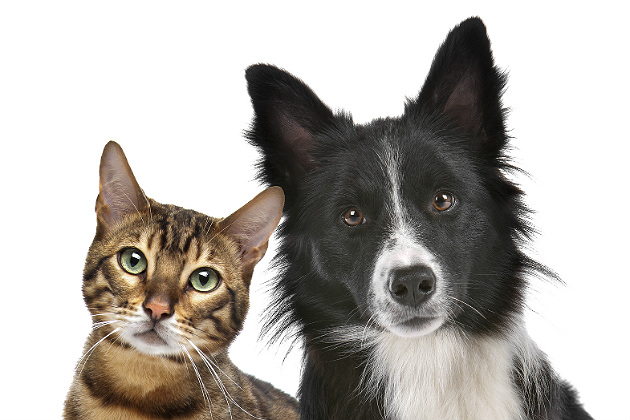
Ethologists spend their days observing and studying animal behavior, often in natural habitats or controlled laboratory settings. They may work with a variety of species, from mammals like dogs and cats to birds, reptiles, and even insects. By collecting data and conducting experiments, ethologists aim to develop a deeper understanding of animal behavior and its underlying mechanisms.
Some common research methods used by ethologists include:
- Observational studies: Ethologists may observe animals in their natural habitats or in controlled environments, using techniques like camera traps, radio collars, or hidden cameras.
- Experimental studies: Researchers design experiments to manipulate specific variables, such as food availability or social structure, and measure the effects on animal behavior.
- Statistical analysis: Ethologists use statistical methods to analyze large datasets, identifying patterns and correlations in animal behavior.
Dog Ethology
Specializing in canines, dog ethologists study the behavior of various breeds and mixes, exploring their social structures, communication patterns, and adaptability to different environments. They may work with veterinarians or conservationists to understand how dogs interact with their human companions and the natural world.
Some interesting topics explored by dog ethologists include:
- Pack dynamics: Researchers investigate how dogs form and maintain social hierarchies within packs.
- Training and learning: Ethologists study how dogs learn from humans and each other, and how training methods can be optimized to promote positive behavior.
- Emotional intelligence: By examining canine emotions like stress, fear, and joy, dog ethologists aim to better understand the emotional lives of dogs.
Cat Ethology
Feline experts delve into the complex behavior of domestic cats and wildcats alike, examining their hunting strategies, social dynamics, and territorial markings. By studying cat ethology, researchers can gain insights into feline biology and develop more effective conservation efforts for these fascinating creatures.
Some interesting topics explored by cat ethologists include:
- Hunting and stalking: Researchers investigate how cats use stealth, strategy, and sensory abilities to catch prey.
- Territorial behavior: Ethologists study how cats define and defend their territories, using scent marking, vocalizations, and visual displays.
- Social dynamics: By examining the social behaviors of wildcats and domestic cats, ethologists can gain insights into feline communication patterns and relationships.
How to Become an Ethologist
While there isn’t a single path to becoming an ethologist, pursuing higher education in fields like biology, zoology, or animal science is a great starting point. Many universities offer courses or degree programs that focus on behavioral ecology or wildlife management, providing students with a solid foundation in the principles of ethology.
The Importance of Education and Training
While formal education can provide valuable insights into ethology, it’s essential to recognize that this field requires ongoing learning and training. Ethologists must stay up-to-date with the latest research and methods, often collaborating with experts from other disciplines like psychology, neuroscience, or conservation biology.
To develop expertise in ethology, researchers may:
- Pursue advanced degrees: Many ethologists hold Ph.D.s or master’s degrees in fields related to animal behavior.
- Participate in professional organizations: Joining organizations like the International Society of Ethologists (ISE) or the American Ethological Society can provide access to networking opportunities, conferences, and publications.
- Conduct ongoing research: By continuing to collect data and publish research findings, ethologists stay current with the latest developments in their field.
Conclusion
Ethology is a captivating field that offers a unique perspective on animal behavior and our place within the natural world. By embracing curiosity, developing strong research skills, and staying committed to lifelong learning, aspiring ethologists can unlock the secrets of animal behavior and contribute to our understanding of the complex relationships between humans and animals.
Frequently Asked Questions
- What is the main difference between an ethologist and a zoologist?
An ethologist focuses on understanding animal behavior, while a zoologist studies animal anatomy, physiology, and evolution. - Can I become an ethologist without a degree in biology or animal science?
While formal education can be beneficial, it’s possible to develop skills and knowledge through self-study, internships, and hands-on experience. - How do I get started as an ethologist?
Begin by building a strong foundation in scientific principles, developing research skills, and gaining practical experience through volunteering or internships with animal behavior organizations. - What are some of the most common species studied in ethology?
Many ethologists focus on mammals like dogs, cats, and primates, as well as birds, reptiles, and insects. - How can I stay up-to-date with the latest research and developments in ethology?
Attend conferences, join professional organizations, read scientific journals, and engage with colleagues to stay current in this rapidly evolving field.
Additional Resources
For those interested in pursuing a career in ethology or learning more about animal behavior, here are some recommended resources:
- The International Society of Ethologists (ISE): A professional organization that provides networking opportunities, conferences, and publications for ethologists.
- The American Ethological Society: A non-profit organization dedicated to promoting the study of animal behavior through research, education, and conservation efforts.
- Ethology journals: Various peer-reviewed journals, such as the Journal of Ethology or Animal Behaviour, publish original research articles on animal behavior.
- Animal behavior books: A range of popular and academic books on animal behavior, from introductory texts to comprehensive overviews of specific species.
By embracing the fascinating world of ethology, researchers can contribute to our understanding of animal behavior and promote a greater appreciation for the natural world.


