
Introduction
The Canadian Eskimo, also known as the Canadian Inuit Dog, is one of the oldest dog breeds in Canada. Its name “Qimminq” means “versatile dog” in Inuit language, reflecting its original purpose as both a sled dog and a guard dog or hunting companion.
Origin of the Canadian Eskimo
The Canadian Eskimo originates from the Canadian Arctic, specifically from the territory of Nunavut, which is the largest and least populated region in North America. Archaeological studies and paleoanthropological research suggest that this breed has been living on these ancient lands for at least 4,000 years. Initially bred by the Thule people and later by the Inuit, it was used primarily as a sled dog to traverse vast distances.
The Decline of the Canadian Eskimo
In the early 20th century, with the introduction of new breeds like the Siberian Husky and the use of motorized sleighs, the Canadian Eskimo breed almost disappeared. By the mid-20th century, only a few hundred examples remained registered in official records.
Characteristics of the Canadian Eskimo
Physical Characteristics
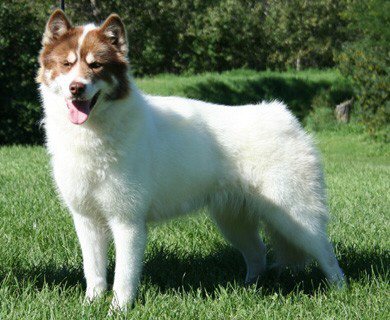
- Size: Medium to large size, with males reaching 58-70 cm in height and weighing between 30-40 kg.
- Body Type: Muscular and strong, with a broad chest and well-sprung ribs.
- Head Shape: Broad and flat, with a distinctive stop (the area where the muzzle meets the forehead).
- Eyes: Almond-shaped and set wide apart, giving a piercing gaze.
- Ears: Erect and triangular in shape.
Coat Characteristics
- Length: Ranges from 3-15 cm, depending on breed type.
- Density: Thick and dense, providing protection against extreme temperatures.
- Color: May vary depending on individual dog, but typically includes shades of black, white, and sable.
Temperament Traits
- Exercise Needs: Requires regular exercise to maintain physical and mental health.
- Socialization: Needs social interaction with family members to prevent behavioral problems.
- Training Methods: Requires consistent, positive reinforcement training.
- Compatibility: Suitable for families with children, but may not be ideal for apartment living.
Breeding and Pricing
- Availability: Can be found in various parts of Canada, North America, the UK, and Northern Italy.
- Pricing: Can range from $1,500 to $8,000, depending on pedigree and breeding status.
A History of Persecution
The Inuit people were deeply connected to the Canadian Eskimo, which was used primarily for sled pulling. However, between 1950 and 1970, the Canadian police killed approximately 20,000 dogs, allegedly due to health concerns. The Inuit community disputed this explanation and pursued a thorough investigation.
In 2005, an internal investigation confirmed that the killings were motivated by public health concerns. Despite the resolution of this issue, the Inuit continue to breed and care for these dogs with great pride and use them in hunting activities or as guides for tourists.
Preservation Efforts
To combat extinction risks due to a lack of proper breeding practices, preservation efforts have been made to promote awareness about this unique dog breed. Organizations such as the Canadian Eskimo Dog Breeders Association work tirelessly to support responsible breeding practices, educate potential owners about their needs and characteristics, and advocate for the protection and conservation of the Canadian Eskimo.
Conclusion
The Canadian Eskimo is a rare and unique dog breed with a rich history and distinct characteristics. While it requires regular exercise and socialization, it can make a loyal companion for active families and outdoor enthusiasts alike. By understanding its origins and needs, potential owners can provide the best possible care for this remarkable breed.
Frequently Asked Questions
- What is the lifespan of a Canadian Eskimo?
- The average lifespan of a Canadian Eskimo is between 12-15 years.
- How much exercise does a Canadian Eskimo need?
- A Canadian Eskimo requires at least 30 minutes of moderate to high-intensity exercise daily, such as running or hiking.
- Can I keep a Canadian Eskimo in an apartment?
- While possible, it’s not recommended due to their high energy levels and need for space to move around.
- Are Canadian Eskimos good with children?
- Yes, they can make excellent family pets if socialized properly from an early age.
- How much does a Canadian Eskimo puppy cost?
- Prices vary depending on breeding status and location, but expect to pay between $1,500 and $8,000 for a registered puppy.
- Can I train a Canadian Eskimo myself?
- While possible, it’s highly recommended to work with an experienced trainer who understands the breed’s unique needs and temperaments.
- Are there any health issues associated with Canadian Eskimos?
- As with any breed, Canadian Eskimos can be prone to certain health issues like hip dysplasia and eye problems. Regular veterinary check-ups are crucial to maintaining their overall health.
By asking the right questions and being aware of the unique needs of this breed, potential owners can make an informed decision about bringing a Canadian Eskimo into their family.


