
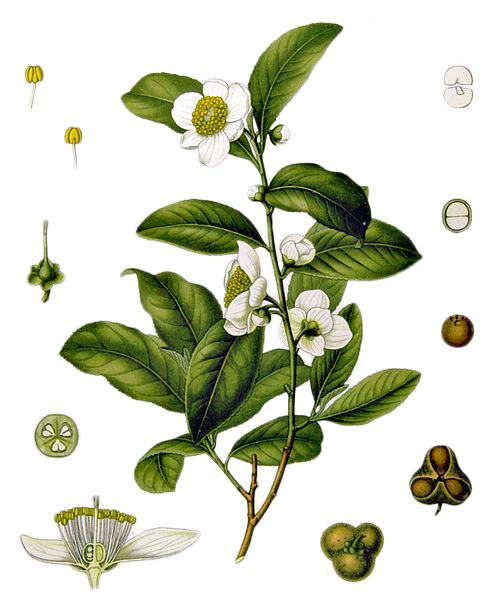
The Origins and Characteristics of Camellia Sinensis: The Mother Plant of Tea
As the world’s most widely consumed beverage, tea has been a staple in many cultures for centuries. But have you ever wondered where this beloved drink comes from? Look no further than the humble Camellia sinensis, also known as the tea plant.
There are two main varieties of Camellia sinensis that produce different types of tea, each with its own unique characteristics. Black tea, often referred to as “red tea” in China, is the strongest due to the prolonged oxidation process involved in its production.
Black tea, white tea, green tea, and oolong tea are just a few examples of the many varieties that can be produced from this versatile plant.
A Brief History of Camellia Sinensis
The Camellia sinensis has been used for medicinal purposes for thousands of years. The earliest recorded use of tea was in 2737 BCE, when an emperor accidentally discovered its invigorating effects after a leaf fell into a boiling pot of water.
Over time, the plant spread throughout Asia and became a staple crop in many countries. Today, it is grown in over 30 countries around the world.
The Two Main Varieties of Camellia Sinensis
There are two main varieties of Camellia sinensis: Camellia sinensis sinensis (Chinese tea) and Camellia sinensis assamica (Assam tea).
- Camellia sinensis sinensis: This variety is native to China and thrives in cool, high-altitude climates. It produces leaves that are more delicate and aromatic, making it ideal for producing green tea and white tea.
- Camellia sinensis assamica: This variety is found in the Assam region of India and prefers warmer, tropical climates. Its larger leaves produce a stronger, more robust flavor that is perfect for black tea and oolong tea.
The Cultivation of Camellia Sinensis
While Camellia sinensis can thrive in a range of climates, it typically requires a cool, humid environment to grow well. The plant can be grown as an evergreen shrub or small tree, but it requires careful pruning to maintain its shape and promote healthy growth.
Camellia sinensis is usually harvested between May and October, depending on the climate and region. In regions with a shorter growing season, such as northern Europe, harvesting may only occur for four months.
The Harvesting of Camellia Sinensis
Harvesting Camellia sinensis involves selecting only the top young leaves and buds from the plant. These are then carefully hand-picked to ensure that only the best quality material is used in production.
In some regions, other parts of the plant, such as stems and flowers, may also be harvested for use in tea production.
The Role of Camellia Sinensis in Traditional Medicine
Camellia sinensis has been used for centuries in traditional medicine due to its perceived health benefits. In many Asian cultures, tea is still considered an important part of daily life, with the leaves being used to treat a range of ailments from fever and fatigue to digestive problems.
The production of Camellia sinensis also plays a significant role in many local economies around the world. Tea farmers often rely on the income generated by tea sales to support themselves and their families.
Conclusion
Camellia sinensis is more than just a plant – it’s a symbol of tradition, culture, and community. Its versatility has allowed it to become an integral part of many societies around the world.
With its rich history, unique characteristics, and careful cultivation requirements, Camellia sinensis is truly a remarkable plant.
The Future of Camellia Sinensis
As global demand for tea continues to rise, there are concerns about the sustainability of tea production. Many tea farmers are struggling to maintain their livelihoods due to declining prices and increased competition from other beverages.
Efforts are being made to promote sustainable tea production practices, including the use of organic farming methods and fair trade certifications. These initiatives aim to ensure that Camellia sinensis remains a valuable resource for generations to come.
Frequently Asked Questions
- What is the main difference between black tea and green tea?
Black tea is produced by allowing the leaves to oxidize for a longer period of time, which gives it a stronger flavor and darker color. - Can Camellia sinensis be grown indoors?
While it’s possible to grow Camellia sinensis indoors, it requires careful attention to light, temperature, and humidity levels. - Is Camellia sinensis the same as jasmine tea?
No – Camellia sinensis is the base plant used in the production of jasmine tea, while jasmine tea itself is a scented tea that uses jasmine flowers. - Can I grow my own Camellia sinensis from seed?
While it’s technically possible to grow Camellia sinensis from seed, it can be challenging and may not produce true-to-type plants. - Is Camellia sinensis still used for medicinal purposes today?
Yes – many cultures around the world continue to use Camellia sinensis for its health benefits, including reducing stress and improving sleep quality.
In conclusion, Camellia sinensis is a remarkable plant with a rich history and unique characteristics. Its versatility has allowed it to become an integral part of many societies around the world, and it continues to play an important role in traditional medicine and local economies.


