
Introduction
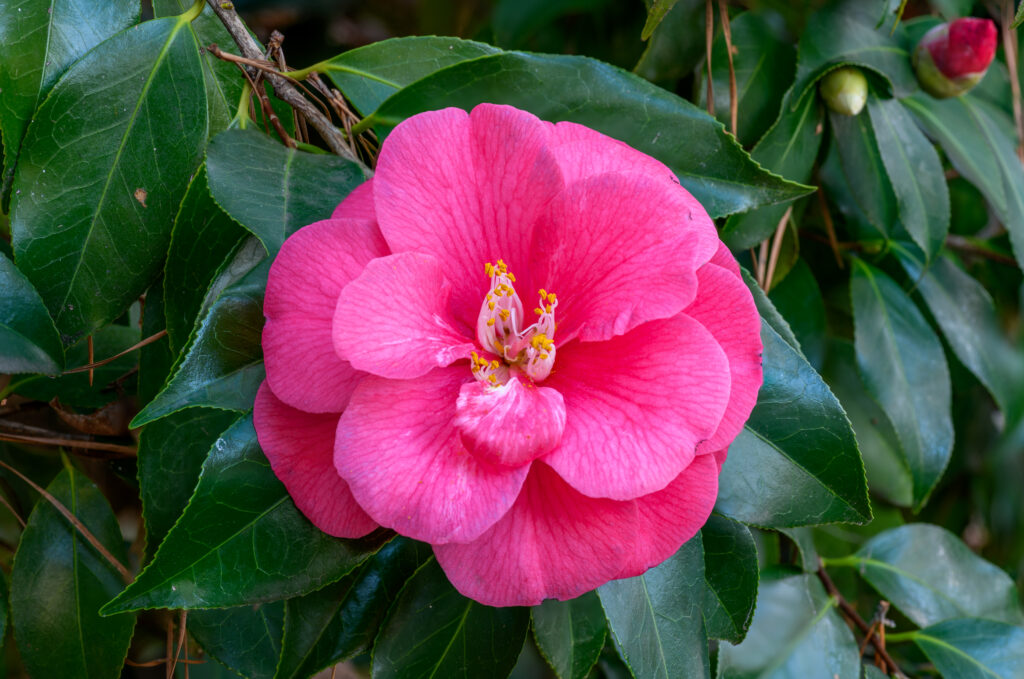
The Camellia Japonica is one of the most popular and beloved species of camellias, known for its stunning flowers and versatility in cultivation. Native to India, China, and Japan, this evergreen shrub can grow up to 6-7 meters tall, making it a great addition to any garden or indoor space.
Origin and History
The Camellia Japonica has been a favorite among Europeans since the early days of its introduction. It was even featured in gardens like those at the Reggia di Caserta and the Malmaison estate, owned by Napoleon’s wife Joséphine. Today, it remains one of the most widely available camellia species, and for good reason.
Flower Color and Blooming
The Camellia Japonica produces stunning flowers in shades of pink, red, and white, depending on the specific variety. These flowers bloom from February to May, making them a welcome sight during the cold winter months. While other camellia species may have more modest blooms, the Japonica’s are truly show-stopping.
Caring for Your Camellia Japonica
While the Camellia Japonica is relatively low-maintenance, it does require some special care to thrive. Here are a few tips to get you started:
- Provide bright, indirect light, but avoid direct sunlight, which can cause leaf scorch.
- Keep the soil consistently moist, but not waterlogged, as this can lead to root rot.
- Fertilize regularly, using a balanced fertilizer specifically designed for acid-loving plants like camellias.
Camellia Japonica in Vase
If you don’t have a garden or prefer to keep your Camellia Japonica indoors, there’s no need to worry. This plant is easy to care for in a vase, as long as it receives the right amount of light and water.
- Choose a container that’s at least 12 inches deep to accommodate the plant’s extensive root system.
- Use a well-draining potting mix specifically designed for acid-loving plants like camellias.
- Water carefully, making sure not to overwater or underwater your Camellia Japonica.
Camellia Japonica vs. Other Varieties
While the Camellia Japonica is perhaps the most famous variety of this plant, it’s by no means the only one. If you’re looking for a different shade or bloom type, consider these alternatives:
- Camellia Sasanqua: This variety produces flowers in shades of pink and white, but on a smaller scale than the Japonica.
- Camellia Natale: A lesser-known variety that produces small, white flowers with red centers.
Common Problems and Solutions
While the Camellia Japonica is generally low-maintenance, it’s not immune to pests and diseases. Here are some common issues you might encounter:
- Aphids: These tiny insects can be treated using insecticidal soap or neem oil.
- Spider mites: These microscopic arachnids can cause yellowing leaves; treat with horticultural oil or neem oil.
Pricing and Availability
Acquiring a Camellia Japonica is easier than ever, thanks to online retailers and local nurseries. Here are some tips for finding the best deal:
- Online shopping: Websites like Amazon or specialty plant stores often carry high-quality Camellia Japonicas.
- Local nurseries: Visit your local nursery or gardening store to find a variety of Camellia species, including the Japonica.
Bonsai Camellia Japonica
For those looking for a truly unique and exotic gift, consider a Bonsai Camellia Japonica. This miniature tree is a stunning representation of elegance and refinement, perfect for indoor spaces or special occasions.
- Importance in Japanese culture: The Camellia has been an important symbol in Japanese culture for centuries, representing love, elegance, and longevity.
- Artistic value: Bonsai trees like the Camellia Japonica are highly prized among artists and collectors for their intricate design and symbolism.
Pruning and Training
To keep your Camellia Japonica looking its best, regular pruning and training are necessary. Here’s how to do it:
- Prune branches in late winter or early spring to maintain shape and encourage new growth.
- Use a pair of clean, sharp scissors to trim off any dead or damaged leaves or stems.
Camellia Japonica in Outdoor Gardens
If you live in an area with mild winters and plenty of rainfall, consider planting your Camellia Japonica outdoors. Here are some tips for creating a beautiful outdoor garden:
- Choose a location that receives partial shade to full sun, depending on the specific variety.
- Plant multiple Camellias together to create a stunning display of color and texture.
Camellia Japonica as a Cut Flower
If you enjoy growing flowers specifically for cutting, consider planting your Camellia Japonica. This plant produces long-lasting blooms that make beautiful arrangements, perfect for special occasions or everyday decoration.
- Harvest flowers in the morning, after the dew has dried but before the heat of the day.
- Trim off any wilted or damaged stems to keep the arrangement looking fresh and healthy.
Camellia Japonica in Winter
While Camellias are often associated with spring and summer, they can still provide beauty and interest during the colder months. Here’s how to care for your Camellia Japonica in winter:
- Protect plants from extreme cold by wrapping them in burlap or a frost blanket.
- Keep the soil moist, but not waterlogged, as this can lead to root rot.
Camellia Japonica as an Ornamental
In addition to its beautiful flowers and ability to thrive in indoor spaces, the Camellia Japonica is also highly prized for its ornamental value. Here are some ways to use your Camellia in decorative arrangements:
- Use fresh flowers to create stunning centerpieces or bouquets.
- Dry flowers to preserve them for later use in wreaths, garlands, or other decorative projects.
Camellia Japonica in Tea and Cuisine
In addition to its beauty, the Camellia Japonica is also highly valued for its leaves and tea. Here’s how to make a delicious cup of camellia tea:
- Steep one teaspoon of dried leaves in 8 ounces of boiling water for at least 5 minutes.
- Strain and enjoy as a soothing, caffeine-free beverage.
Camellia Japonica in Medicinal Uses
The Camellia Japonica has been used for centuries in traditional medicine to treat a variety of ailments. Here are some ways to use your Camellia in medicinal applications:
- Steep dried leaves in hot water to make a tea that can help reduce stress and promote relaxation.
- Use the plant’s leaves and flowers to make a topical cream or salve for treating minor cuts and scrapes.
Camellia Japonica as an Air Purifier
Finally, Camellias are also known to be excellent air purifiers. Here’s how your Camellia can help clean the air:
- Choose a variety that is native to your area, such as the Camellia Japonica.
- Plant multiple Camellias together in a group to create a more effective air-purifying effect.
Camellia Japonica: The Ultimate Gift
The Camellia Japonica makes an excellent gift for anyone who appreciates beauty and elegance. Here are some ideas for giving your Camellia as a present:
- Plant multiple Camellias together in a beautiful garden or indoor space.
- Give a single plant as a thoughtful gift to friends, family members, or coworkers.
Conclusion
In conclusion, the Camellia Japonica is one of the most versatile and beloved plants in the world. With its stunning flowers, low-maintenance care requirements, and ornamental value, this plant is sure to delight anyone who encounters it. Whether you choose to grow your Camellia indoors or outdoors, prune and train regularly, or enjoy its beauty and fragrance as a gift, there are countless ways to appreciate this incredible plant.
Final Tips
- Plant your Camellia in well-draining soil with full sun to partial shade.
- Water regularly, but avoid overwatering.
- Fertilize annually for optimal growth and health.


