
Introduction
Propagating camellias through stem cuttings is a popular method among gardeners, with high success rates and minimal effort required. In this article, we will delve into the world of camellia propagation, covering everything from selecting the right cutting to providing optimal conditions for successful growth.
Choosing the Right Camellia Mother Plant
When it comes to propagating camellias through stem cuttings, selecting a healthy, robust mother plant is crucial. Look for a potted camellia with plenty of foliage and a strong stem. Aesthetic appeal is also important, but don’t neglect factors like disease resistance and soil adaptability.
Timing is Everything: When to Take Cuttings
The ideal time to take cuttings from your camellia mother plant depends on your location. In the southern United States, it’s best to propagate in autumn (October), while those living in the northern parts of the country should do so in late summer (July). If you’re unsure, consult a local nursery or gardening expert for guidance.
Selecting the Perfect Cutting
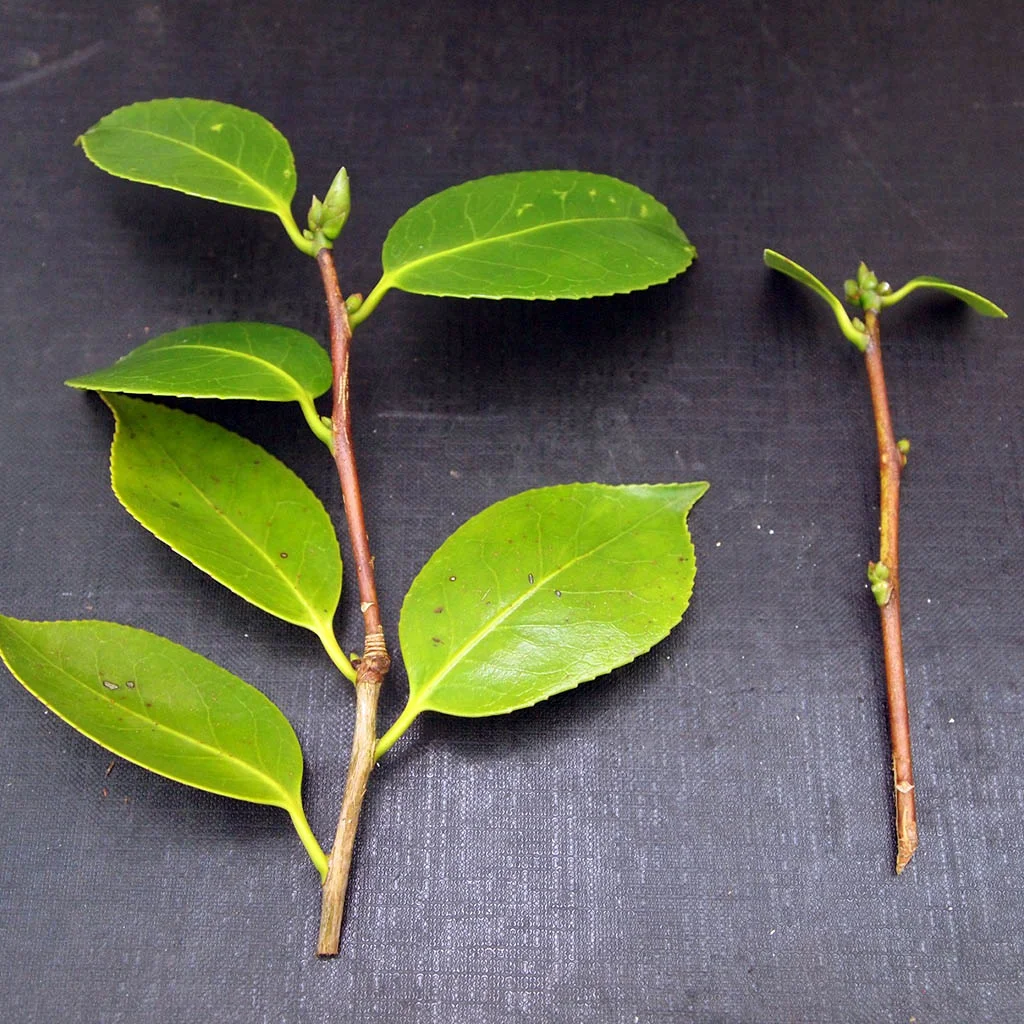
Identify a healthy stem section from your mother plant, ideally one that is still green. This will ensure faster rooting and better chances of success. Remember, young stems have an easier time developing roots than older ones.
The Art of Cutting: A Step-by-Step Guide
- Prepare Your Tools: Before cutting, sterilize your pruning shears with a disinfectant or alcohol to prevent disease transmission.
- Make the Cut: Using your prepared tools, carefully cut the stem section from your mother plant at a 45-degree angle. The ideal length for this cut is between 10-20 cm (4-8 inches).
- Remove Lower Leaves: Trim off any lower leaves, leaving only those closest to the top of the cutting.
- Cut Just Below a Node: Gently score the stem just below a node (where a leaf meets the stem), and carefully remove the lower portion of the leaf.
Dipping in Rooting Hormone
To enhance rooting success, dip your freshly cut ends into a product containing rooting hormone. This will stimulate root development and increase chances of successful propagation.
Planting Your Cutting
- Prepare a Potting Mix: Fill a container (about 10 cm/4 inches in diameter) with a well-draining potting mix.
- Insert the Cutting: Gently place your prepared cutting into the soil, ensuring it’s firmly rooted. Firm the surrounding soil gently to secure the cutting in place.
The Importance of Humidity and Temperature
To support healthy growth, maintain an environment with moderate humidity (around 50-60%) and temperatures above 20°C (68°F). Provide filtered sunlight or partial shade to prevent scorching.
Common Mistakes to Avoid
- Insufficient Light: Camellias require sufficient light for photosynthesis; avoid placing your cuttings in too-shaded areas.
- Inadequate Watering: Keep the soil consistently moist but not waterlogged, as this can lead to root rot.
- Incorrect Pruning Shears: Use sharp, sterile pruning shears to prevent spreading diseases.
Other Camellia Propagation Methods
While stem cuttings are a popular method for propagating camellias, there are other techniques worth exploring:
- Sowing seeds
- Using grafting
- Propagating via leaf cuttings (for some species)
Conclusion
Propagating camellias through stem cuttings is an accessible and rewarding process. By following these guidelines and avoiding common mistakes, you’ll be well on your way to successfully multiplying your favorite camellia varieties.
Frequently Asked Questions
- Q: What’s the ideal time for taking camellia cuttings?
A: The best time depends on your location; in general, autumn (October) and late summer (July) are considered optimal. - Q: How often should I water my stem-cutting plantings?
A: Keep the soil consistently moist but not waterlogged. -
Q: Can I propagate camellias using leaf cuttings?
A: Some species respond well to leaf cuttings, while others may require additional techniques like grafting or sowing seeds. -
Q: How long does it take for a stem-cutting to root?
A: This process can take anywhere from 4-6 months, depending on environmental conditions and rooting hormone effectiveness. -
Q: What type of potting mix should I use for my cuttings?
A: Choose a well-draining mix specifically designed for indoor plants or propagation purposes. -
Q: Can I propagate camellias using grafting techniques?
A: Yes, some gardeners successfully use grafting to propagate new plant varieties; consult specialized resources for guidance. -
Q: How often should I fertilize my newly propagated camellia?
A: Feed your young plants with a balanced fertilizer (10-10-10 NPK) every 4-6 weeks during the growing season. -
Q: What’s the best way to handle and store cuttings for propagation?
A: Handle them gently, and store them in a cool, dry place until it’s time to plant. -
Q: How should I monitor my propagating camellia’s growth?
A: Regularly check your plants’ leaves and stems for signs of healthy growth, such as increased leaf size or new stem development. -
Q: Can I propagate camellias using a combination of methods (e.g., grafting and cuttings)?
A: Yes, some gardeners successfully use various propagation techniques in conjunction with each other; experiment with different approaches to find what works best for you and your plants.


